Where to Go and What to Do
Where to Go and What to Do
What unique things can be seen in the museums of Yugra
Where else can you find traces of epic cities, the skeleton of a prehistoric elephant, and a shaman's drum that spirits once heeded? This article features unique exhibits from Yugra museums that you won't see anywhere else in Russia: from artifacts from the mammoth era to the rarest household items of the Khanty and Mansi, from traces of great historical figures to evidence of ancient Siberian civilizations.
Mammoth vertebra with a hunting spear
Where is it: Museum of Nature and Man, Khanty-Mansiysk
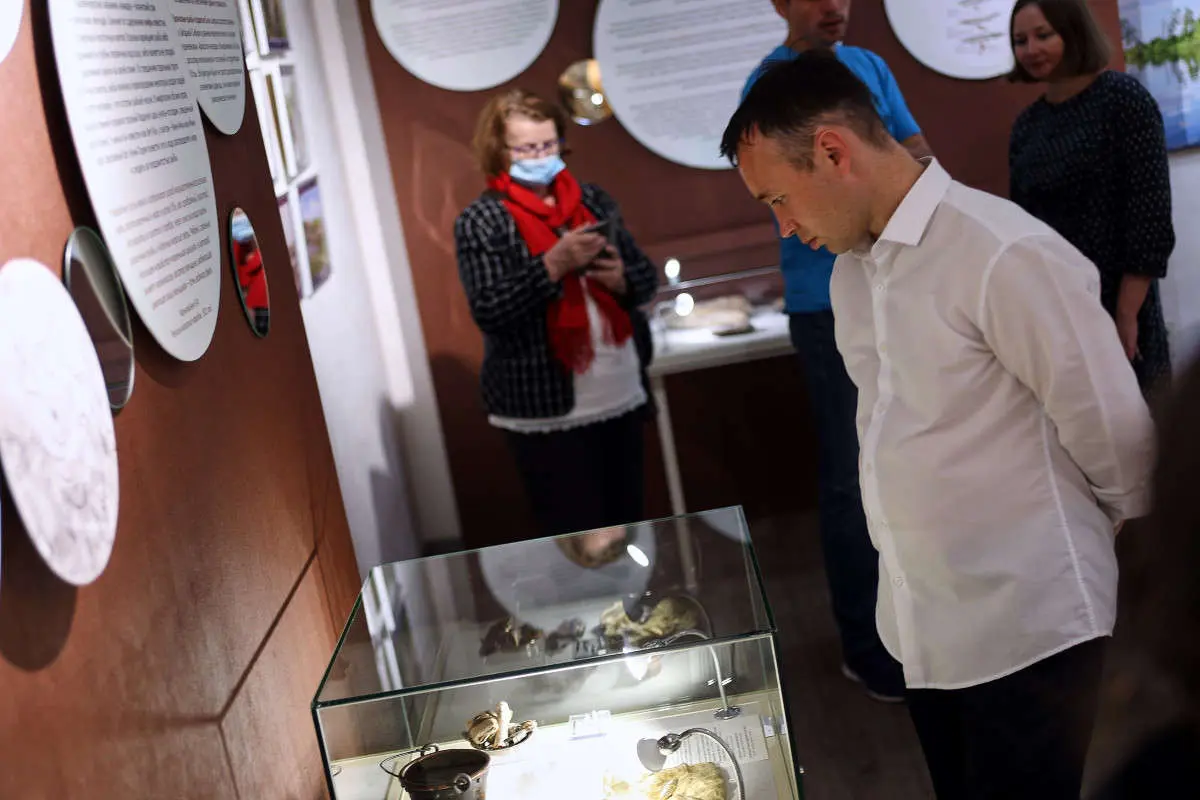
The regional capital is home to a find of global significance – a mammoth vertebra pierced by an ancient spear. This exhibit is dated to around 13,500 years ago and confirms the fact that humans hunted mammoths in the harsh conditions of Western Siberia. The vertebra, found in 2002 at the mouth of the Mamontov Creek in the Lugovskoye site, once became a sensation in archaeological science.

Five-meter mammoth skeleton
Where is it: Museum of Nature and Man, Khanty-Mansiysk
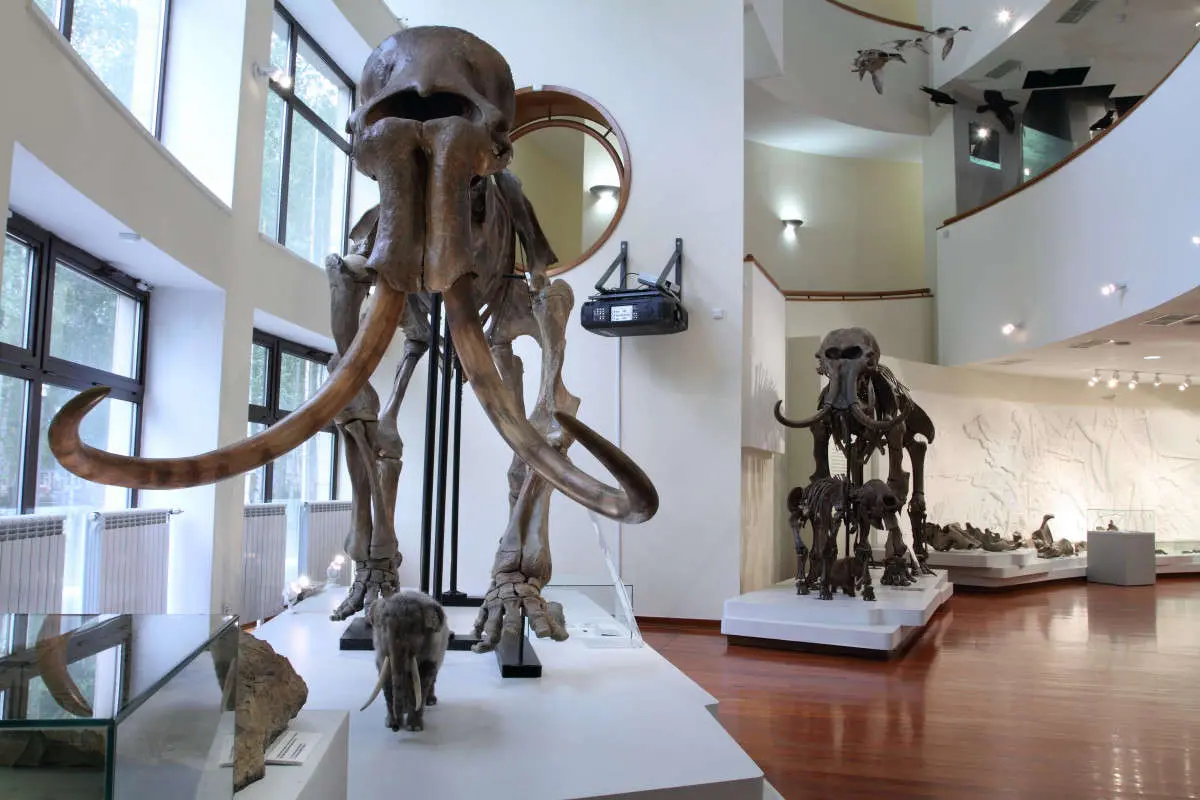
The same museum also houses one of the most valuable exhibits of Yugra – the skeleton of a trogontherium elephant. One mammoth tooth alone weighs about 5.5 kg. There are seven skeletons found in the world, down to the last bone, and one of them is from Yugra.
Byzantine jug from Barsovo
Where is it: Surgut Museum of Local History
Surgut is home to a unique silver jug made in Constantinople about a thousand years ago. It is decorated with blackening, gilding, chasing and an elegant handle in the shape of a predatory cat – a striking example of Byzantine jewelry art.
The artifact was found by accident: in 2006, a resident of Barsovo went fishing and, while digging for worms, discovered the jug just 15 centimeters underground. Today, the rare exhibit is the pride of the museum and one of the few Byzantine items of this level found in Siberia.
Kiryasskaya Barka – a giant made of wood
Where is it: T.D. Shuvaev Nizhnevartovsk Museum of Local History
The Nizhnevartovsk Museum houses a real giant – the largest fragment of a wooden vessel in Russia. The Kiryas barge from the late 18th – early 19th centuries was about 34 meters long and is rightfully considered a unique example of folk shipbuilding.
According to researchers, the vessel was used in the 19th century, presumably for transporting bricks along the Ob from Pritobolye to Tomsk. However, one day the barge ran aground in the Kiryas channel, received serious damage and was abandoned on the shore after unloading. Since then, it was kept in oblivion until it came to the attention of an attentive fisherman.
The remains of the vessel on the right bank of the Kiryas channel were discovered in 1997 by a resident of Nizhnevartovsk. Thus, thanks to chance and a keen eye, an exhibit of European level was added to the museum display cases of Yugra.
Valuable museum exhibits are often found by fishermen - after all, who, if not them, can fish out real treasures from the unknown? And it is no less interesting when the fish itself becomes a real exhibit in the family photo archive. You can read more about where, how and when to catch big fish in the article "Trophy fishing in Yugra: where, how and when to catch record specimens."
Seal of Prince Menshikov
Where is it: Museum of Nature and Man, Khanty-Mansiysk
The museum houses a rare artifact – the personal stone seal of Prince Menshikov, a favorite of Peter I. After his exile to Berezovo, according to legend, he continued to use this seal to seal his chests of money.
In 1975, the seal was given to the museum by an employee of the department for combating theft of socialist property – he had received it once as an unmarked “souvenir”. Today, this unique exhibit with the Menshikov coat of arms is one of the most mysterious in the collection.
Genuine shamanic drum
Where is it: Pokachevskiy Museum of Local History
In the Pokachev Museum of Local History you can see the only authentic shamanic drum that belonged to a real shaman. At one time, it was with its help that the shaman asked for help and intercession from the spirits. The drum is made according to all the canons - all stages of the instrument's creation take place only in the waxing moon phase.
Taxidermy of the fauna of the Surgut region
Where is it: Russian Museum of Nature and Man named after A.P. Yadroshnikov
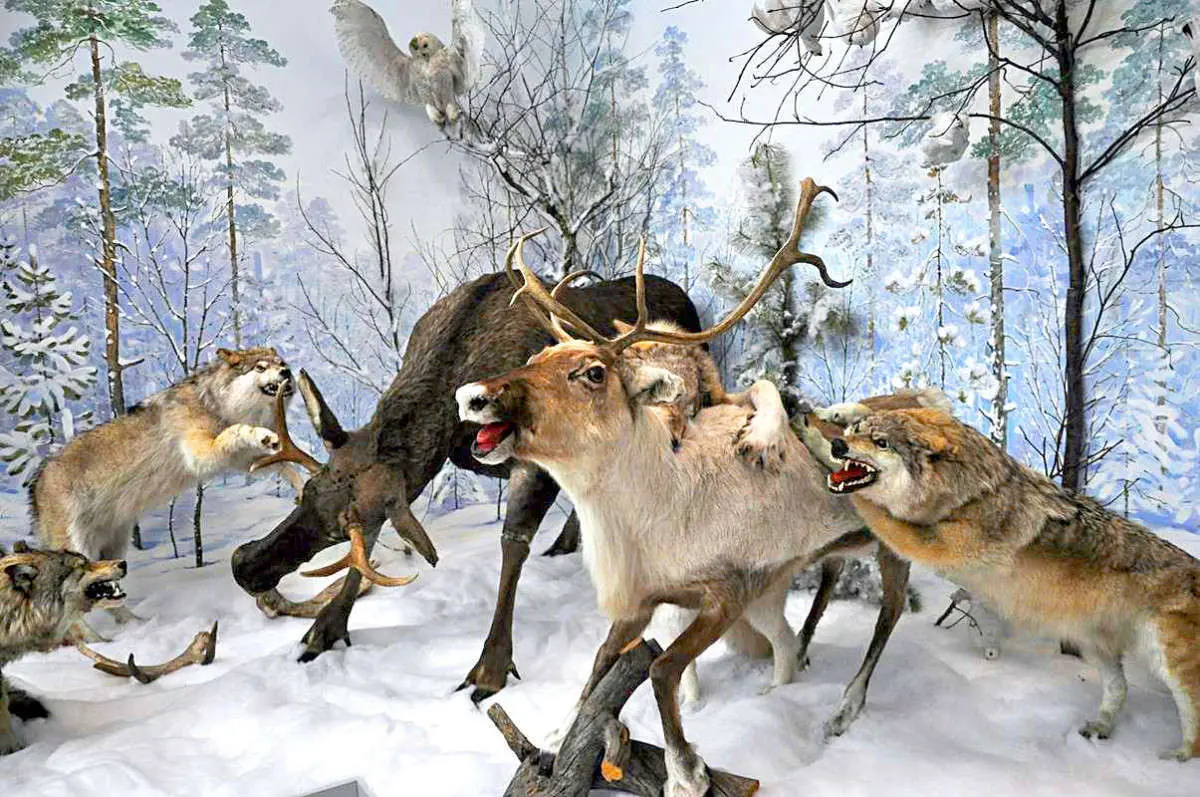
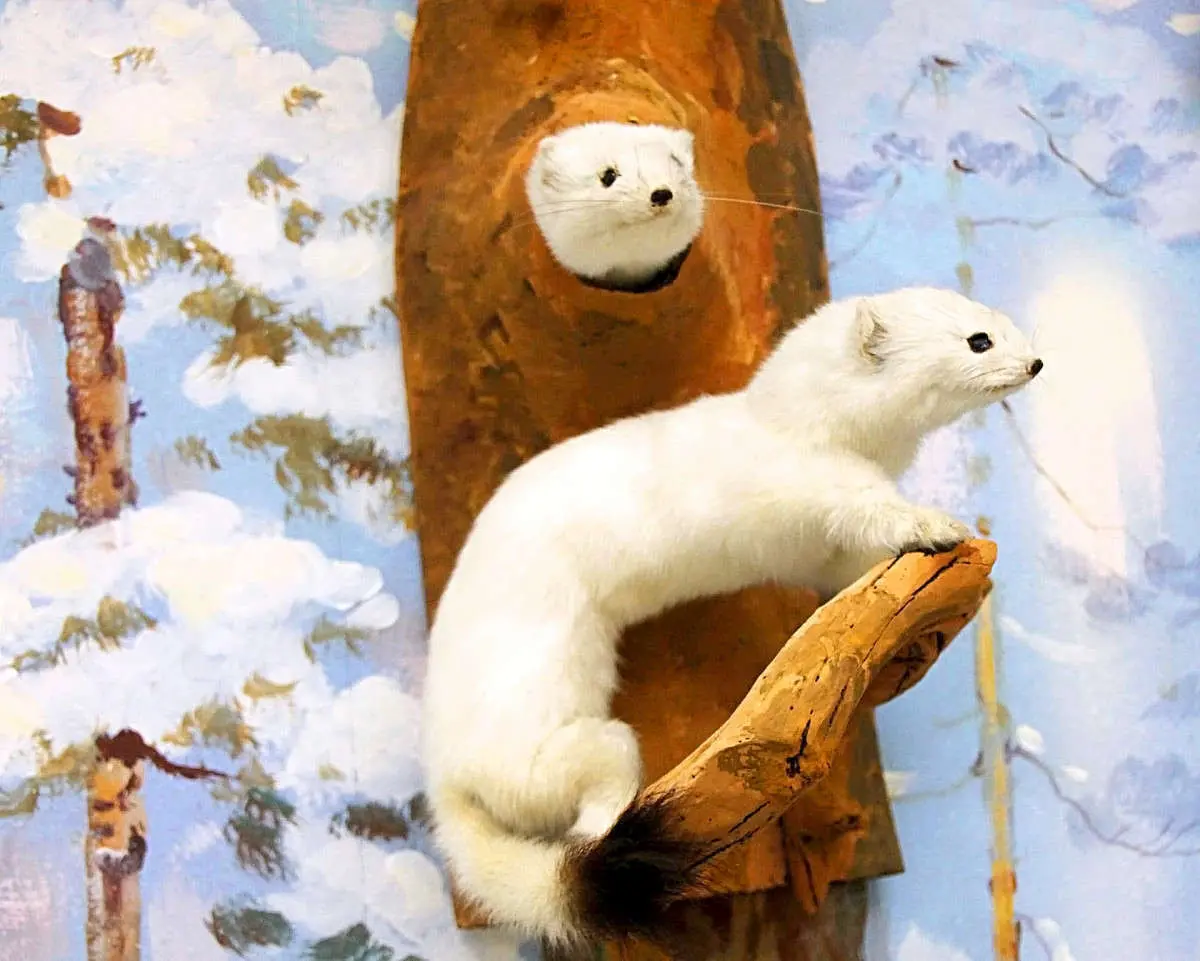
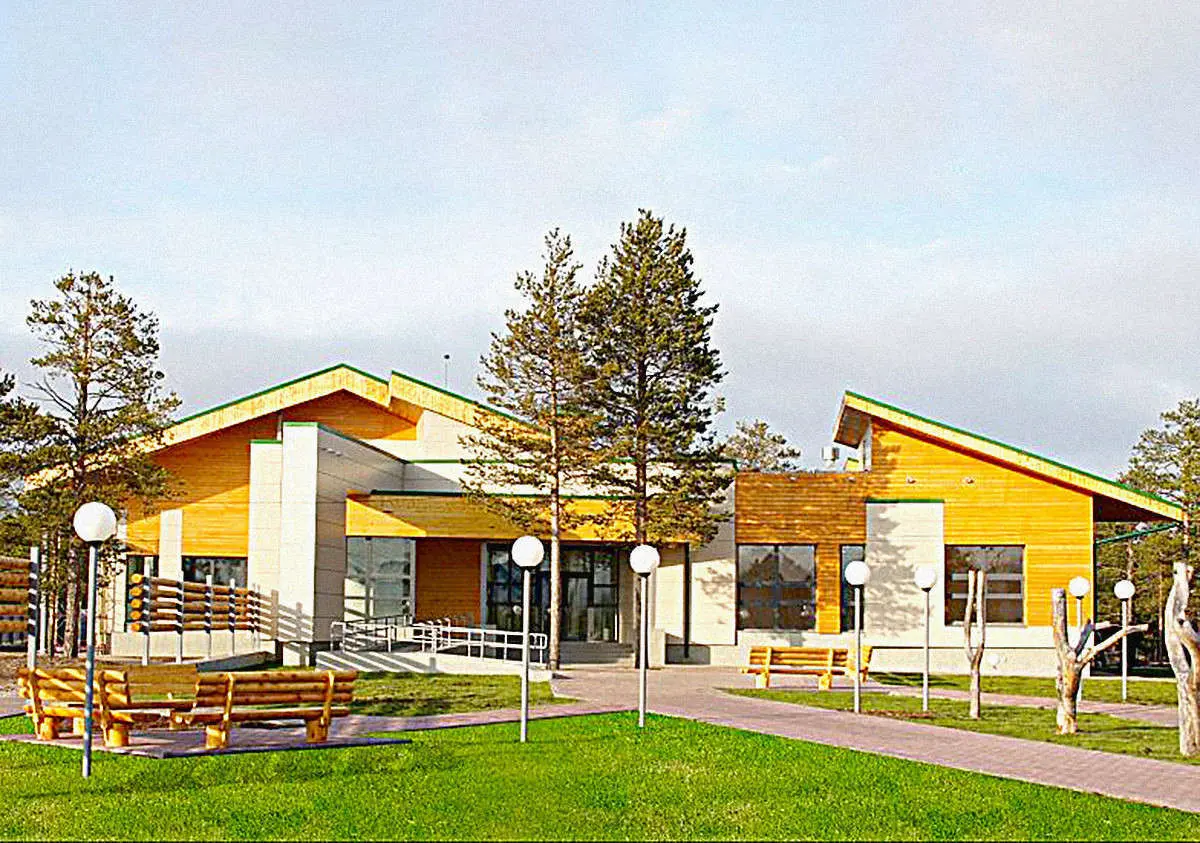
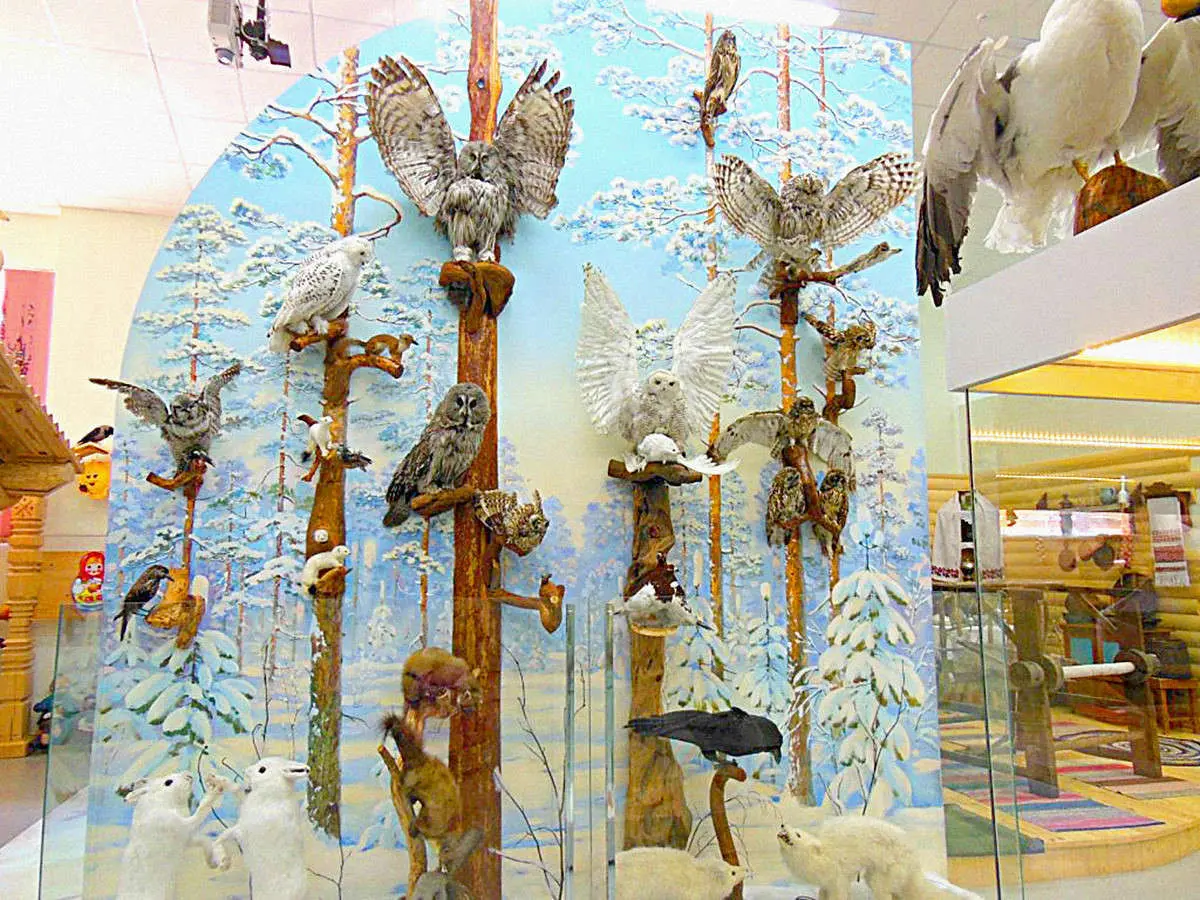
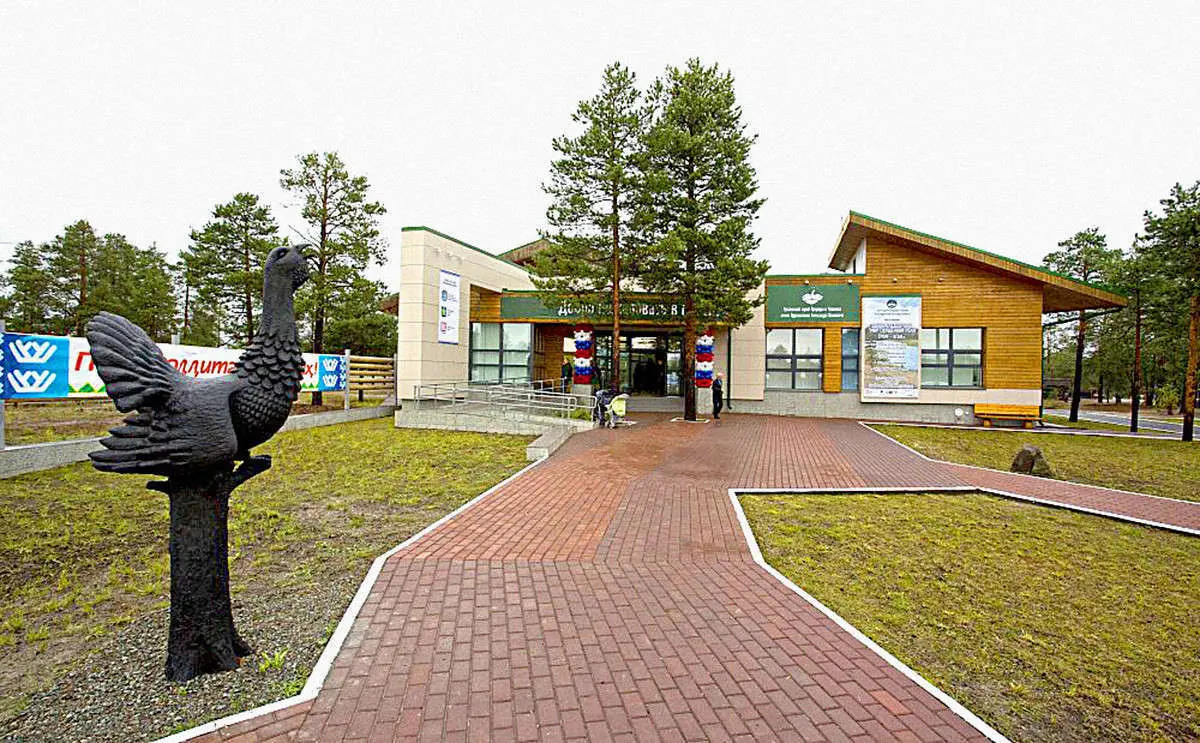
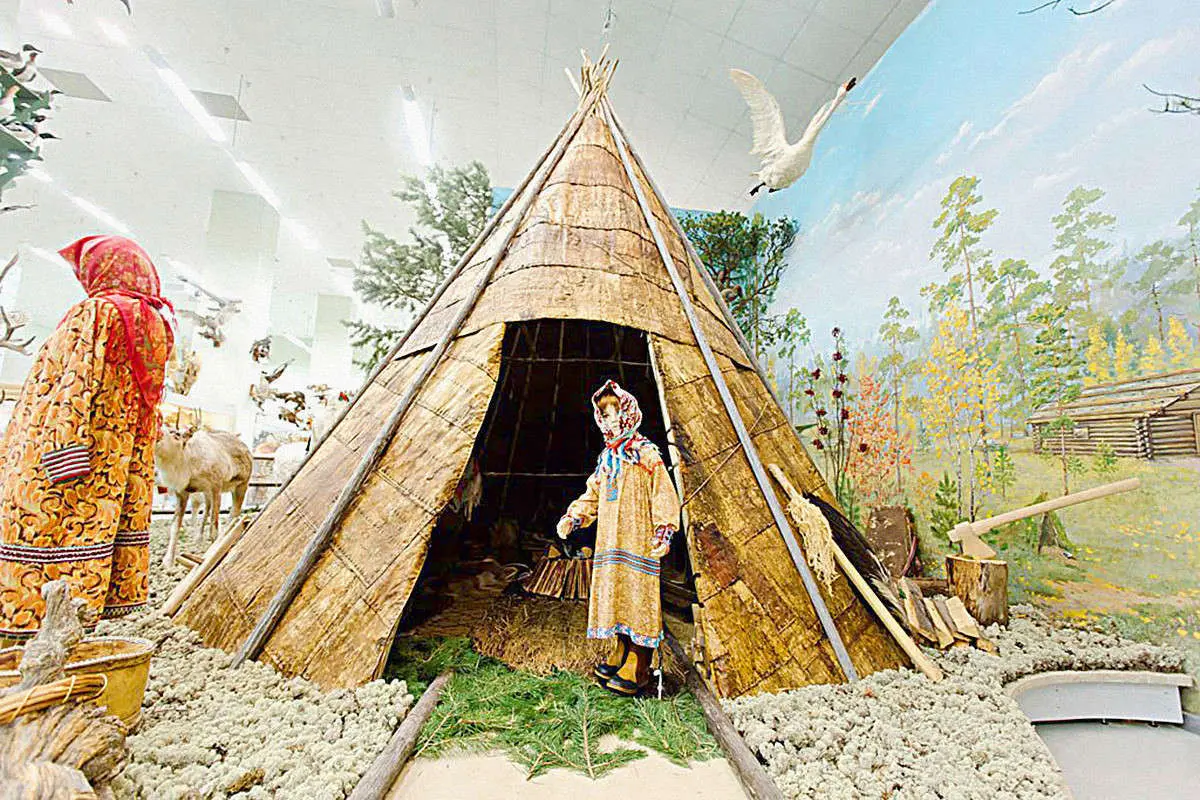
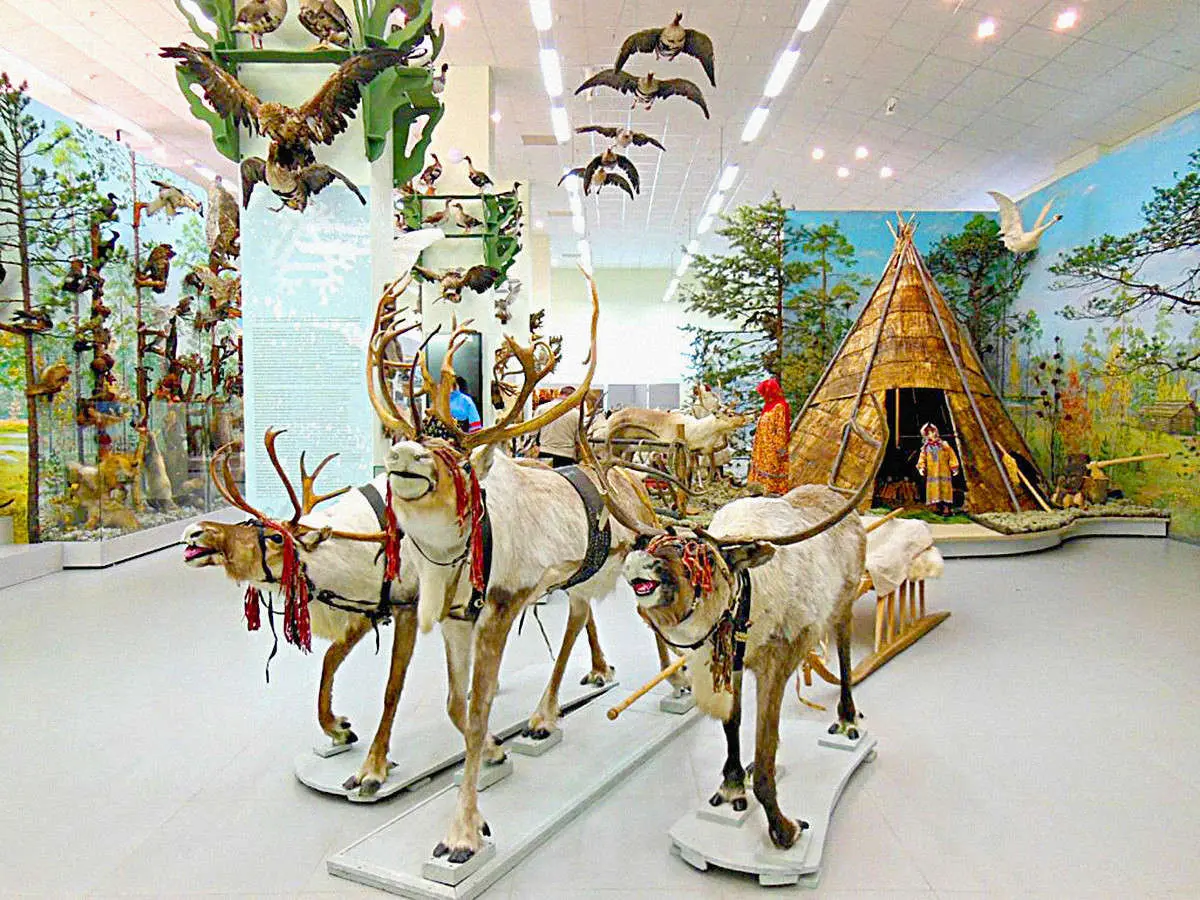
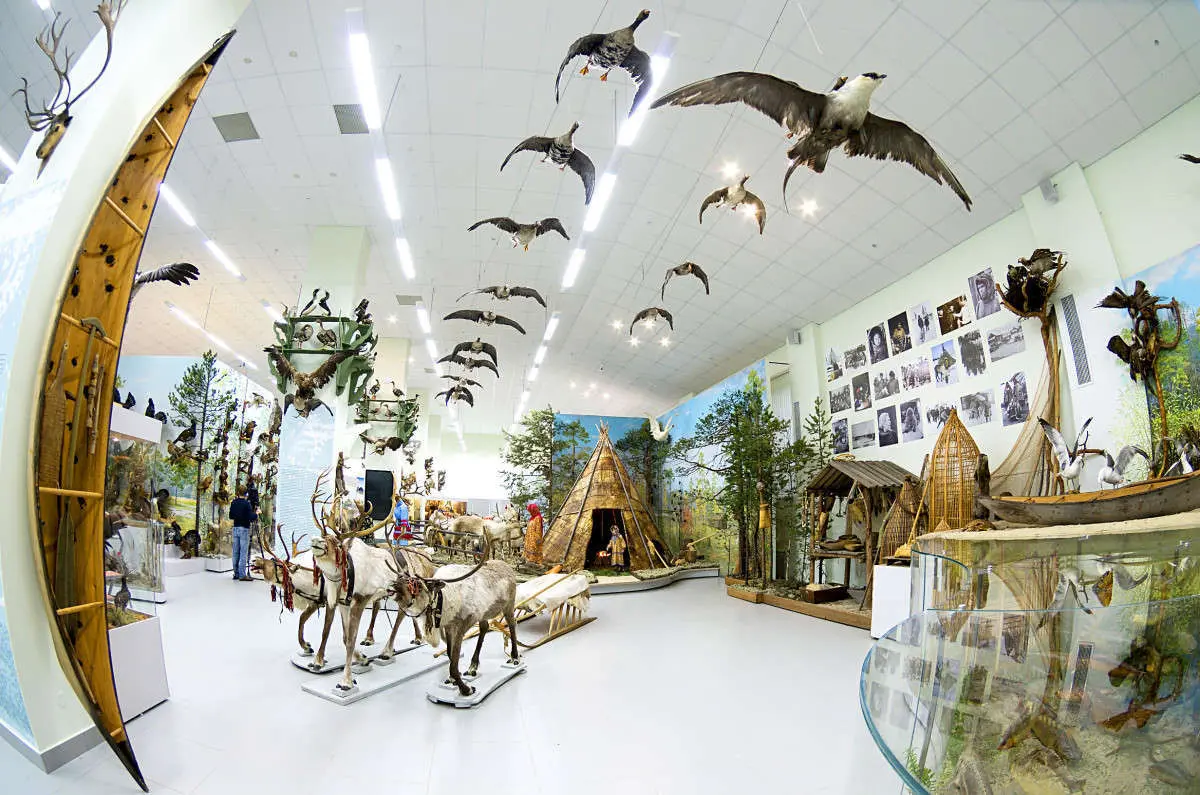
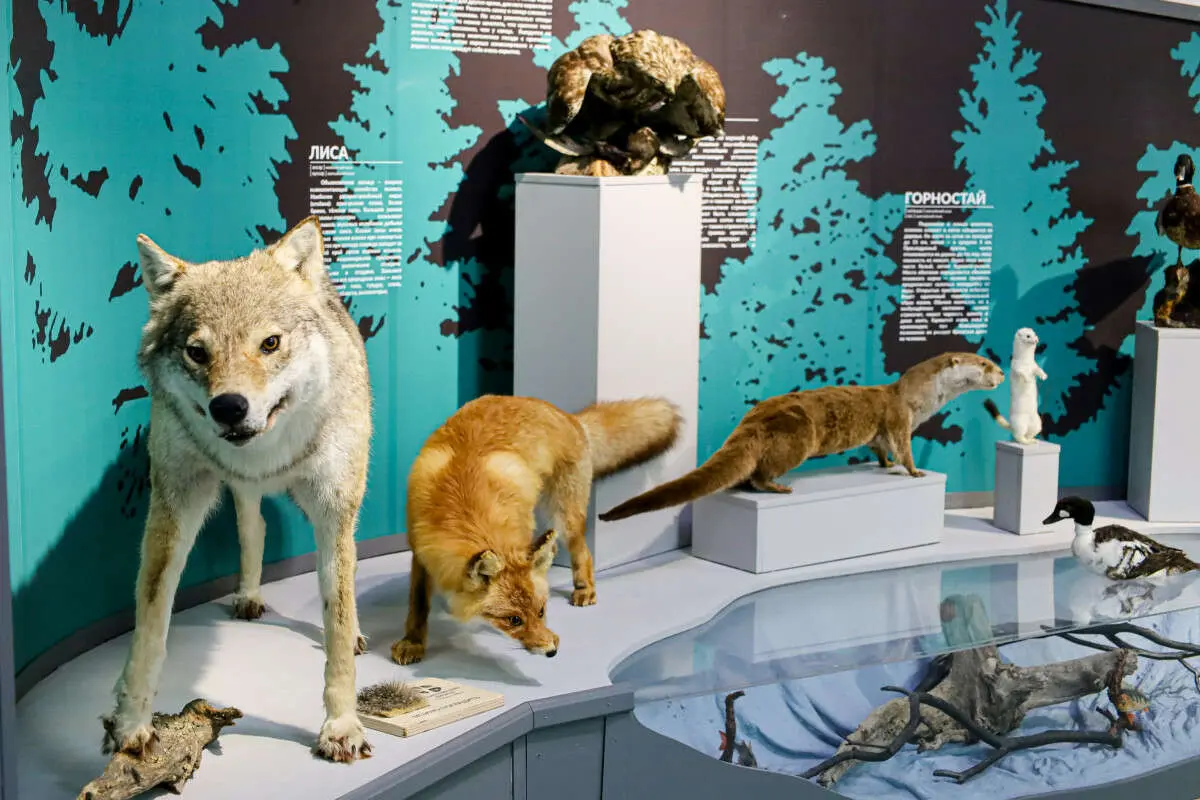
The Russkin Museum of Nature and Man in the Surgut District grew out of the personal collection of its creator, Alexander Yadroshnikov, and today houses more than 7,000 exhibits. Here you can see the life of the Trom-Agan Khanty and walk through the open-air ethnographic complex.
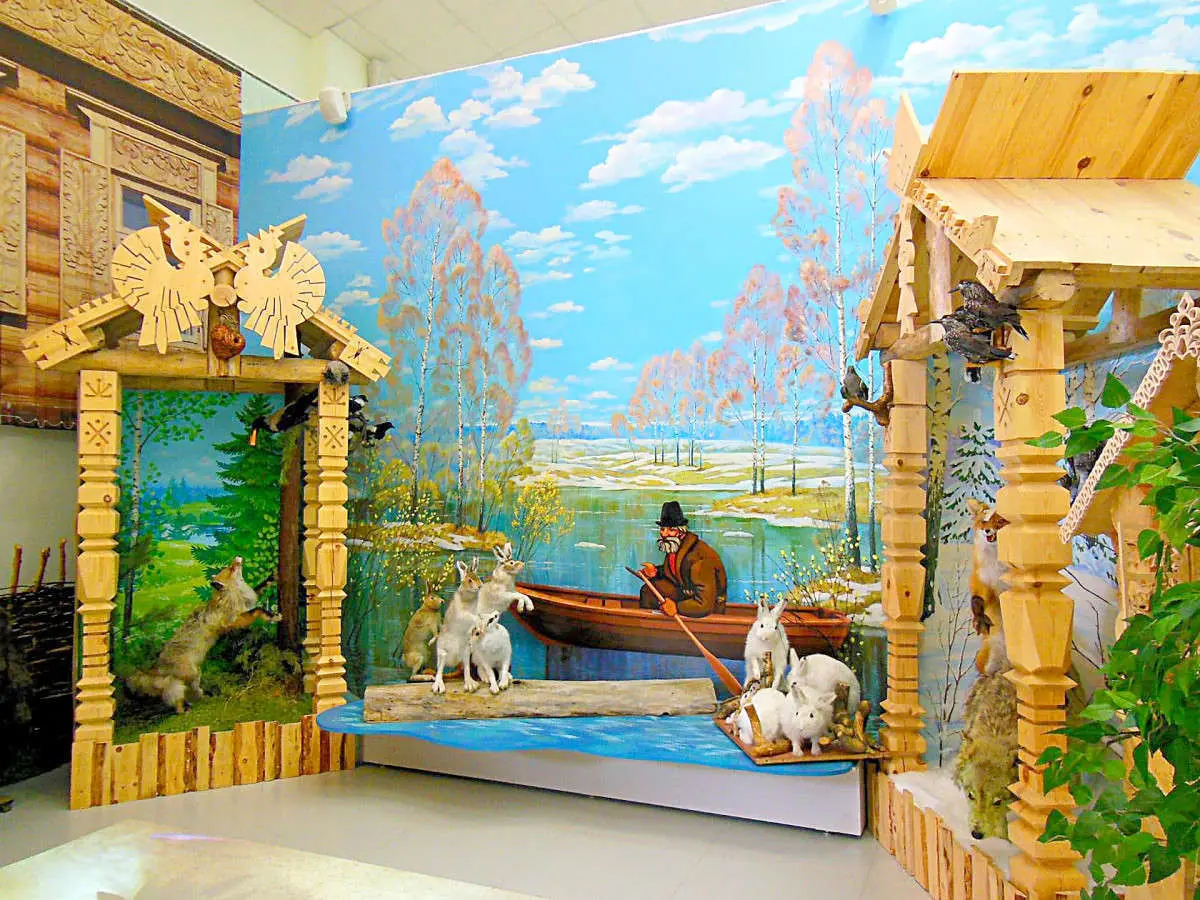
But one of the main attractions of the museum is a rare taxidermy collection of Priobye fauna: from elk to forest game. The collection also includes old photographs, documents, and books about the history of Yugra.
Fossil giants of Yugra and Ancient Lukomorye
Where is it: Museum of Geology, Oil and Gas, Khanty-Mansiysk
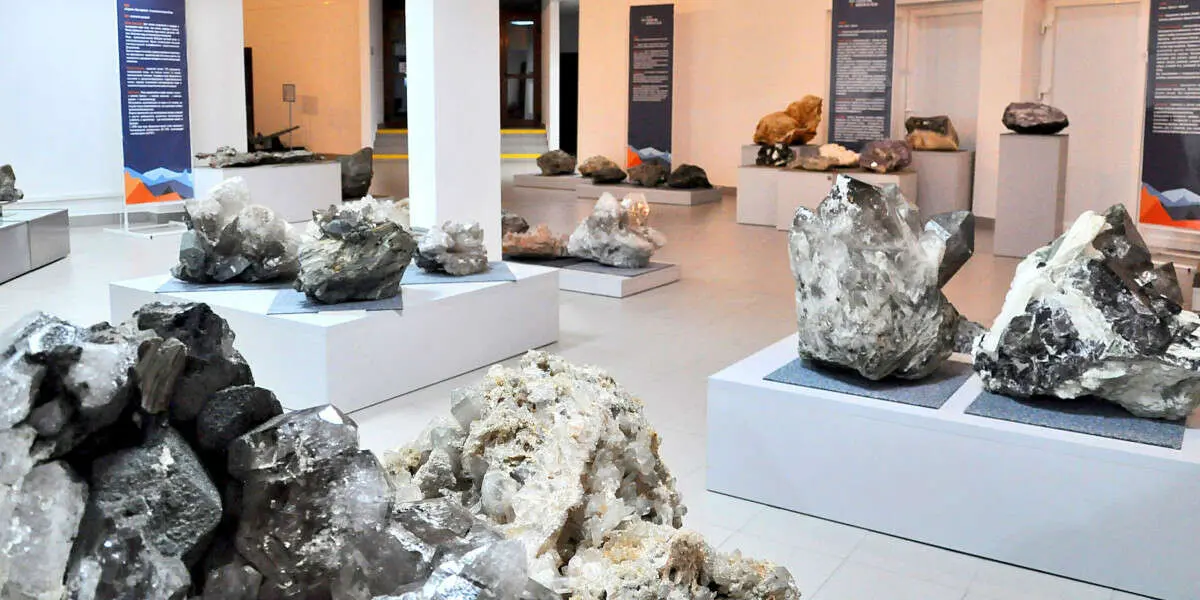
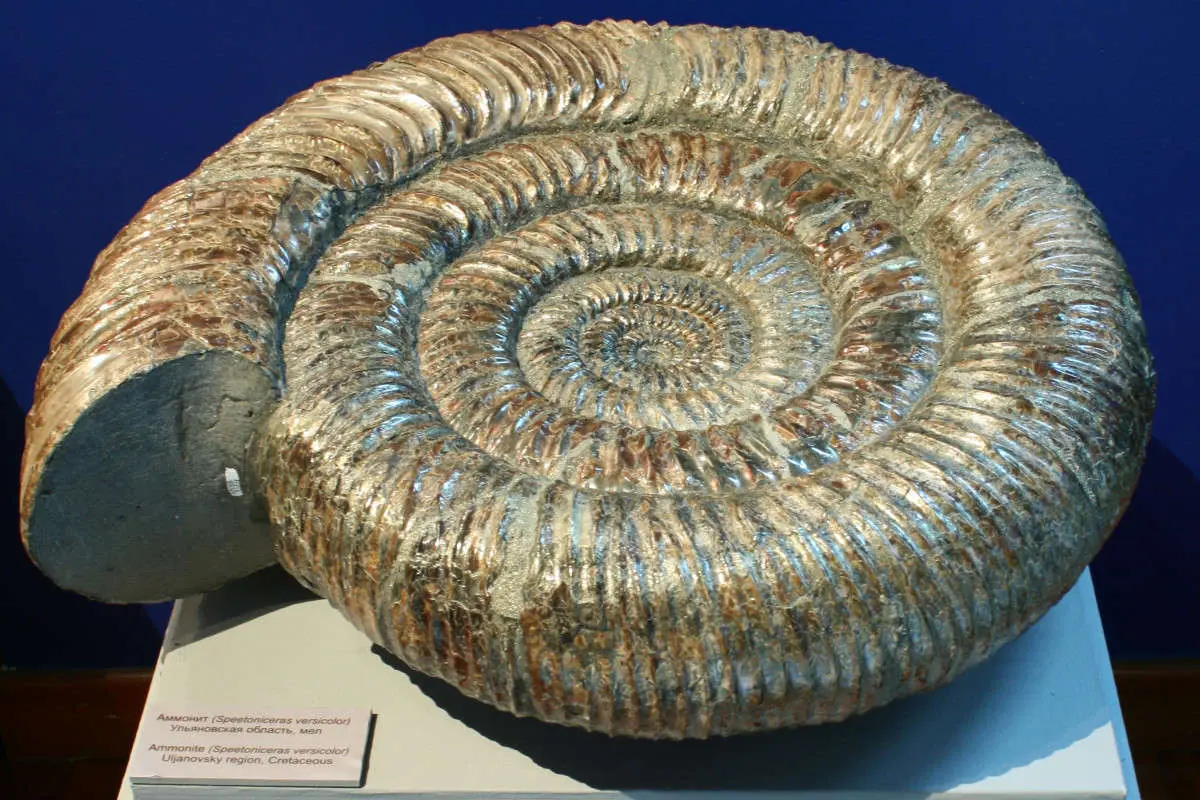
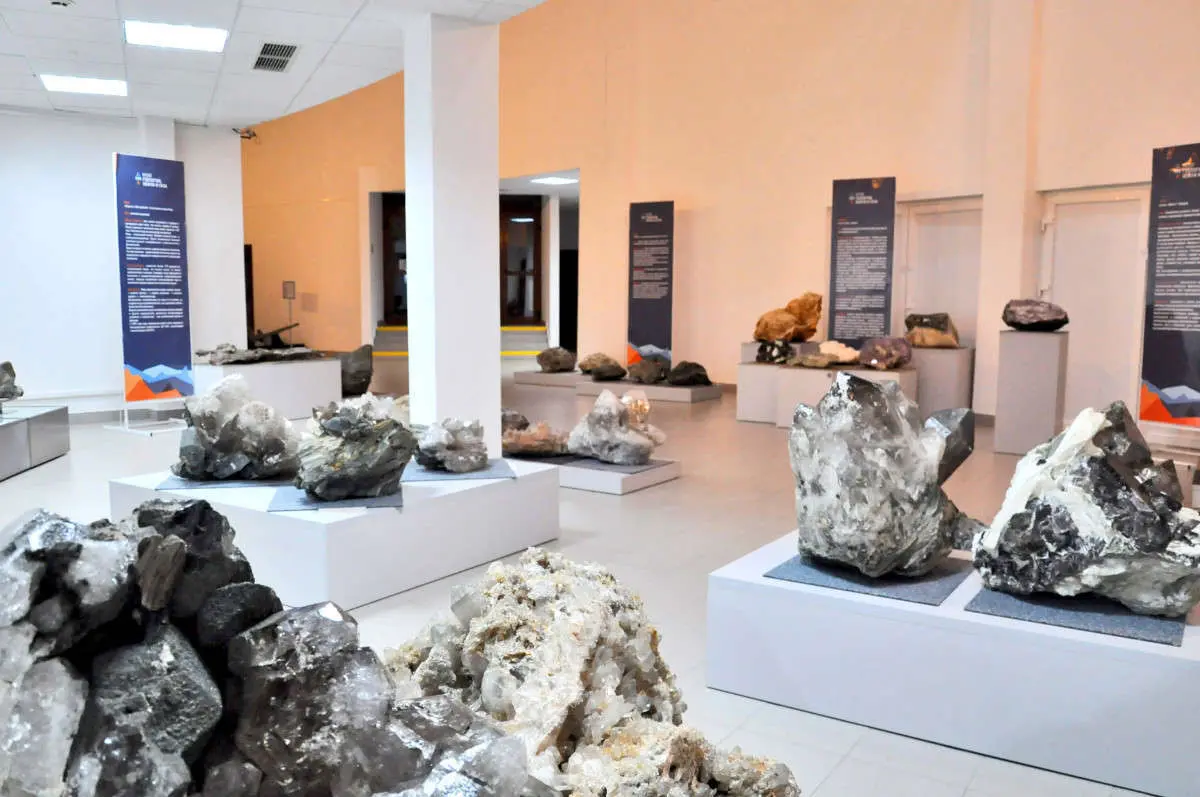
The Museum of Geology, Oil and Gas in Khanty-Mansiysk exhibits the paleontological heritage of Yugra: a petrified tree – a chestnut-oak tree that grew here 55 million years ago – and a large-scale exhibition “Ancient Lukomorye” with more than two tons of ancient remains of flora and fauna. Interesting fact: on old maps, it is the territory of Yugra that is designated as the mysterious Lukomorye. Millions of years ago, a warm sea splashed on the site of the district, along the shores of which tropical forests grew. Today, these fragments of a prehistoric ecosystem – plants, fish, sea urchins, mollusks – can be seen in the halls of the museum.
Relics of the pioneers of the North
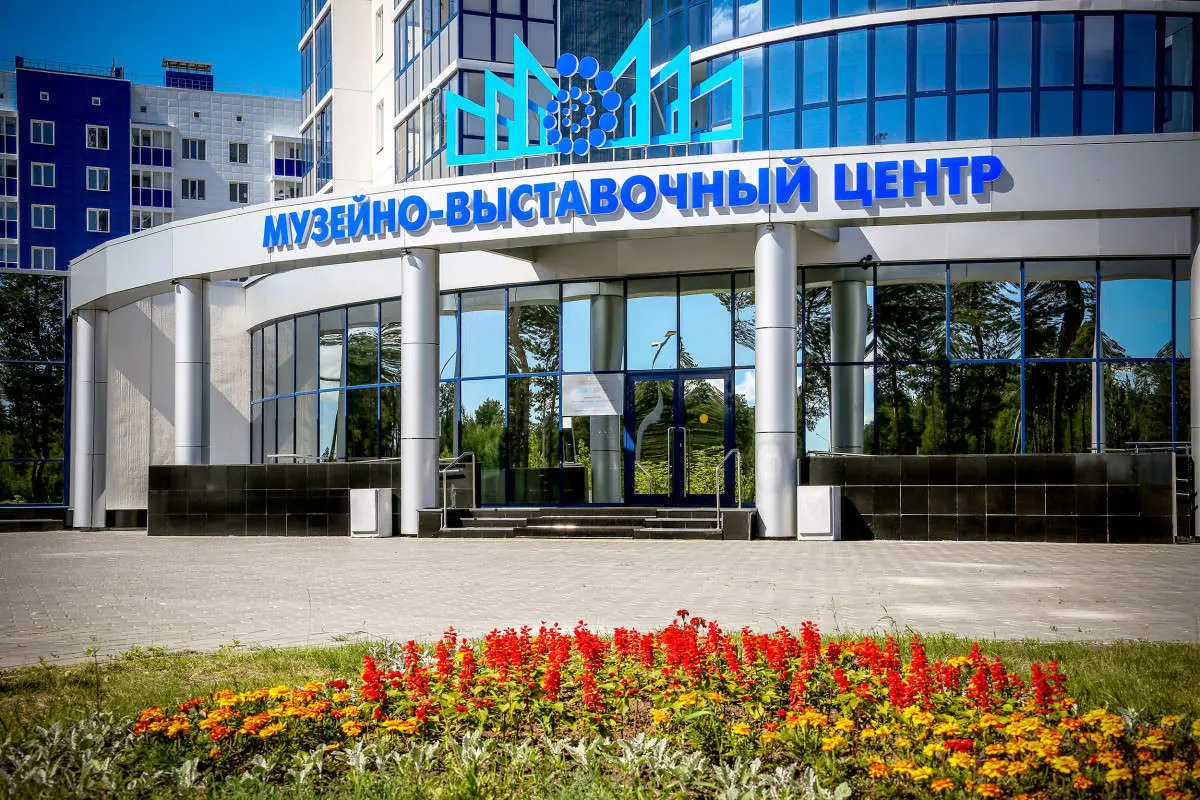
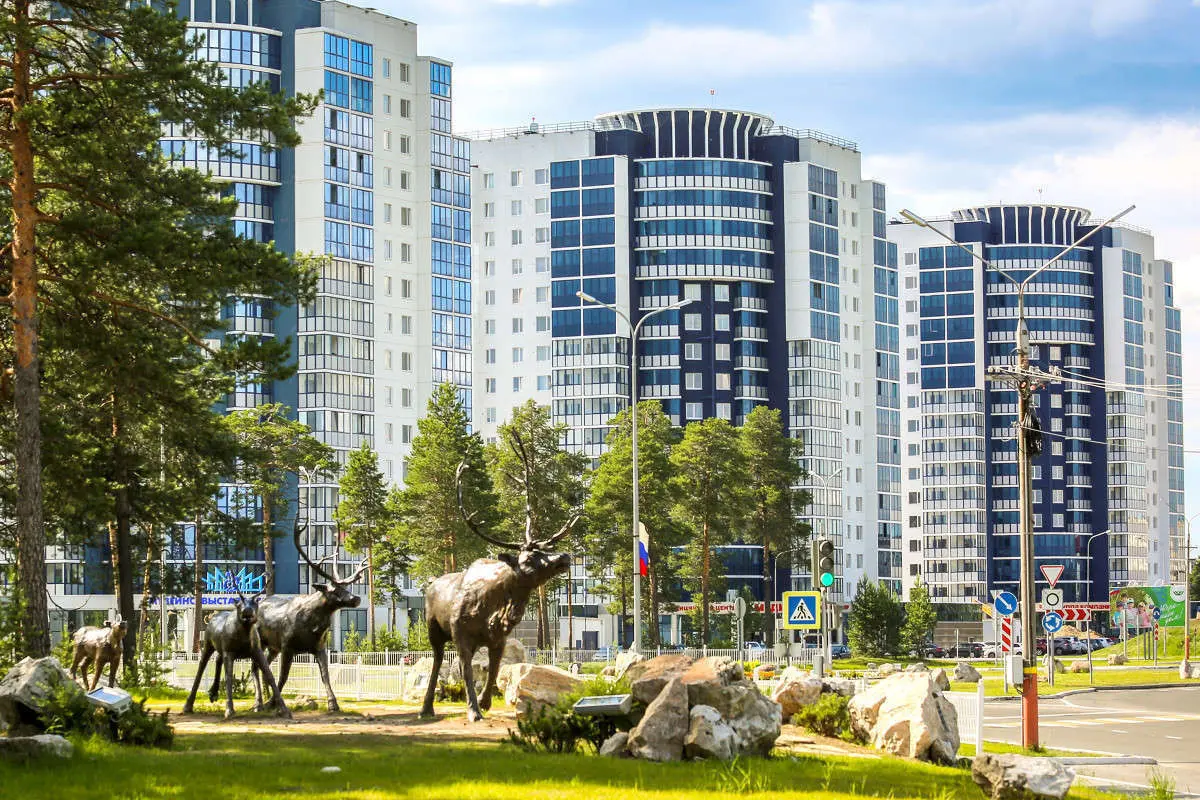
Where is it: Museum and Exhibition Center, Kogalym
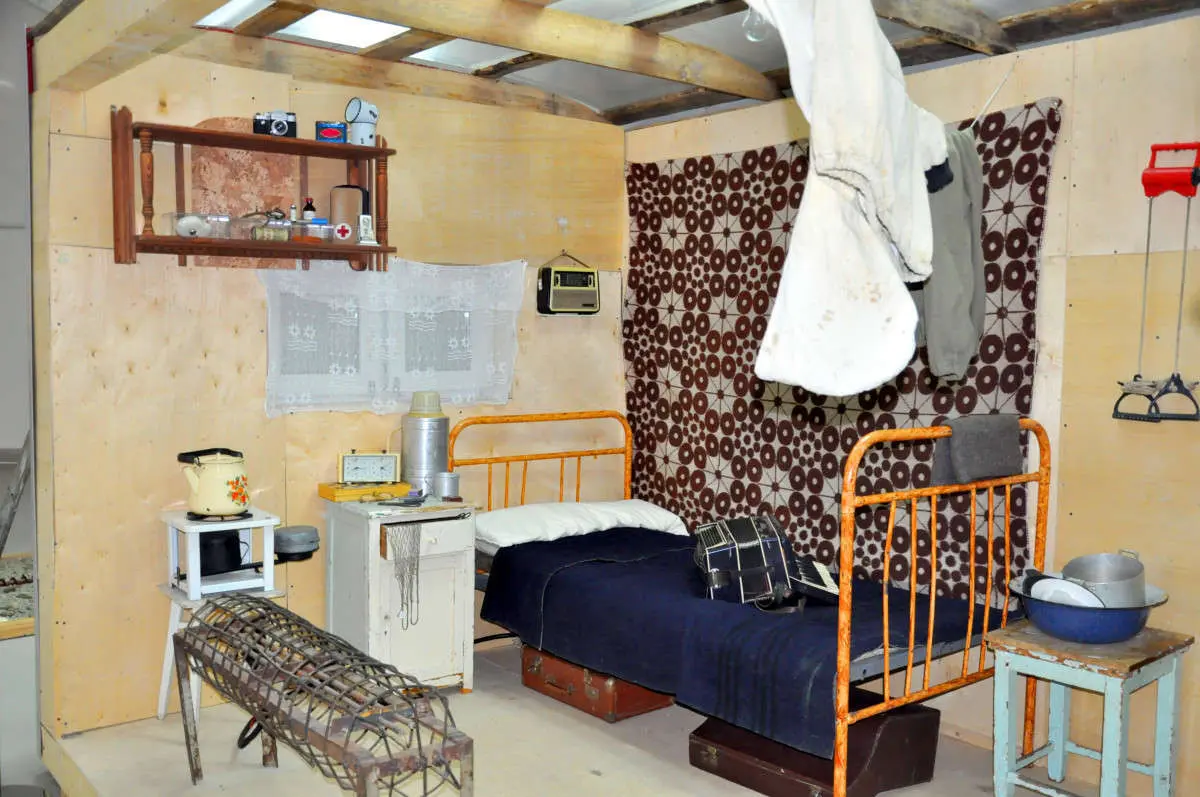
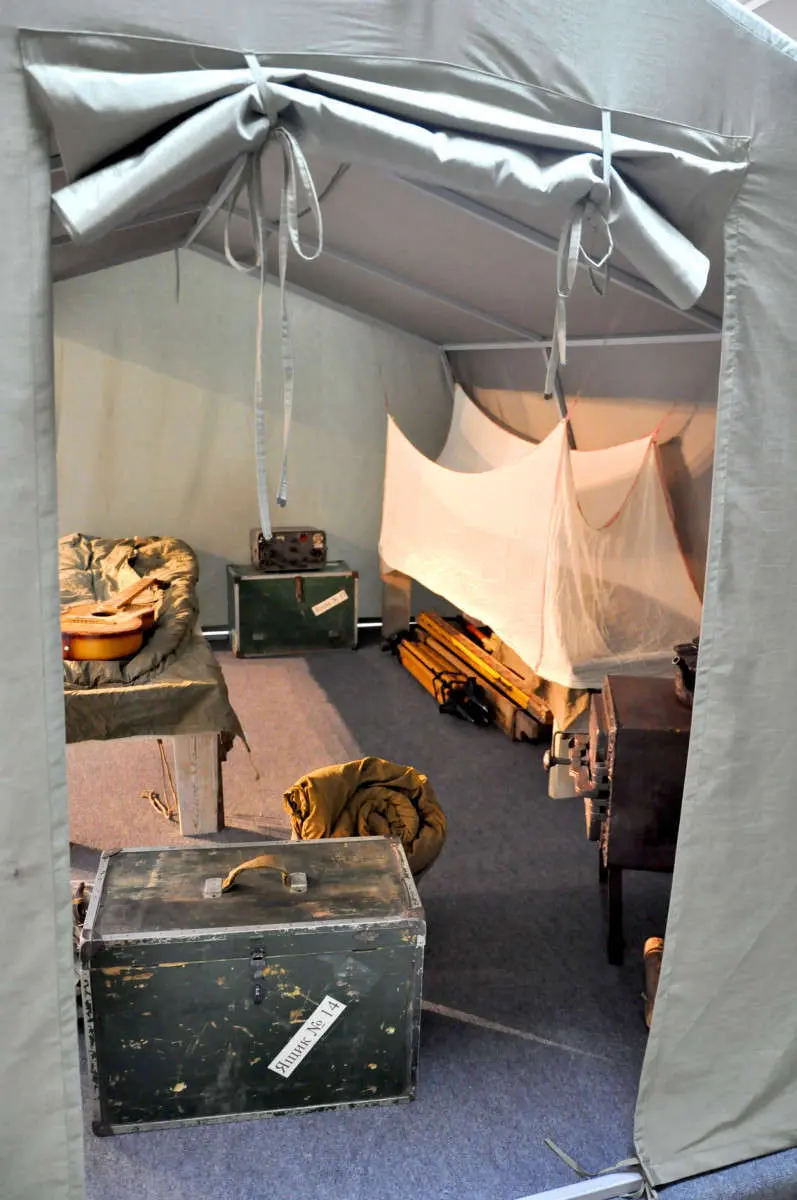
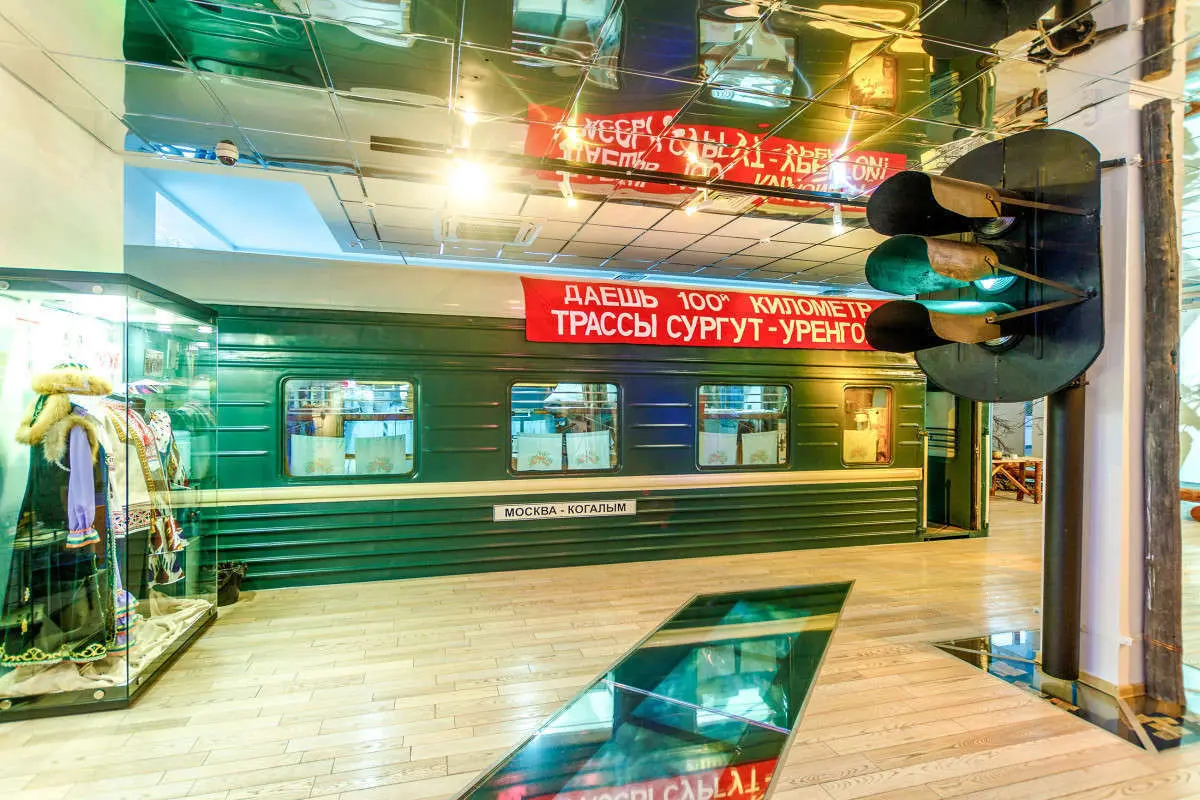
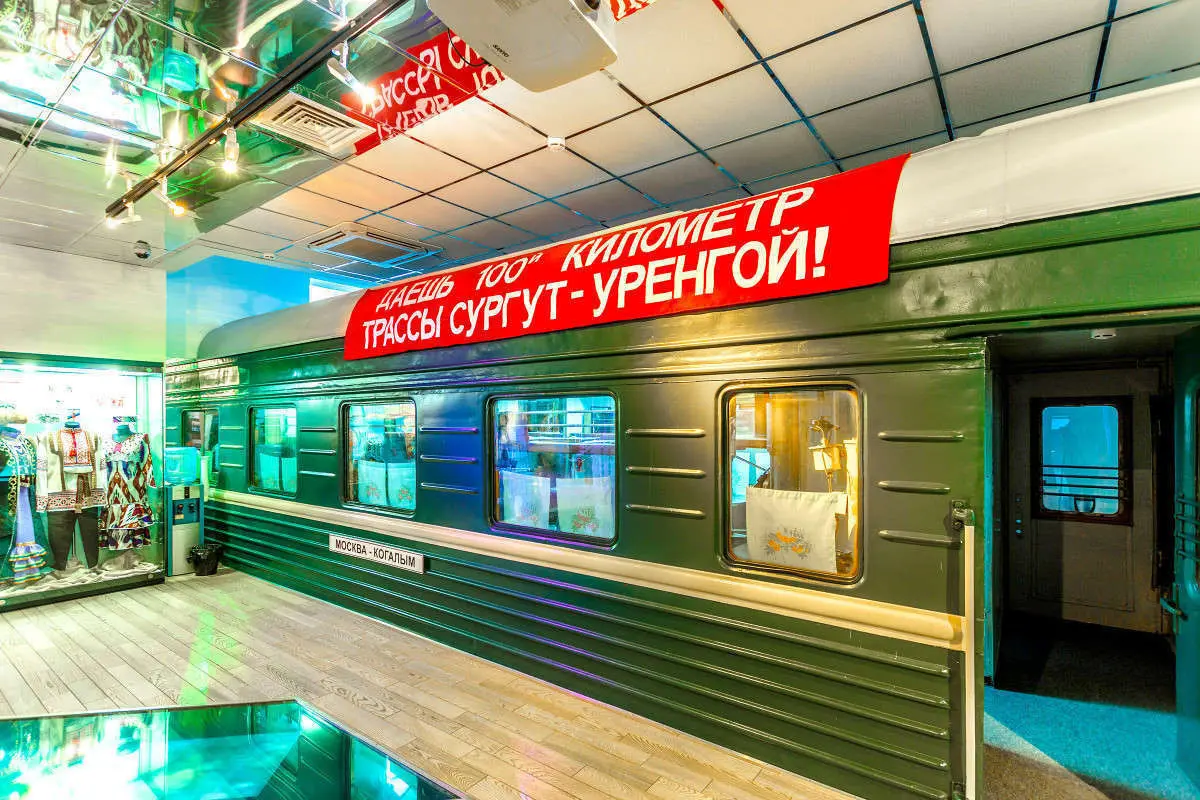
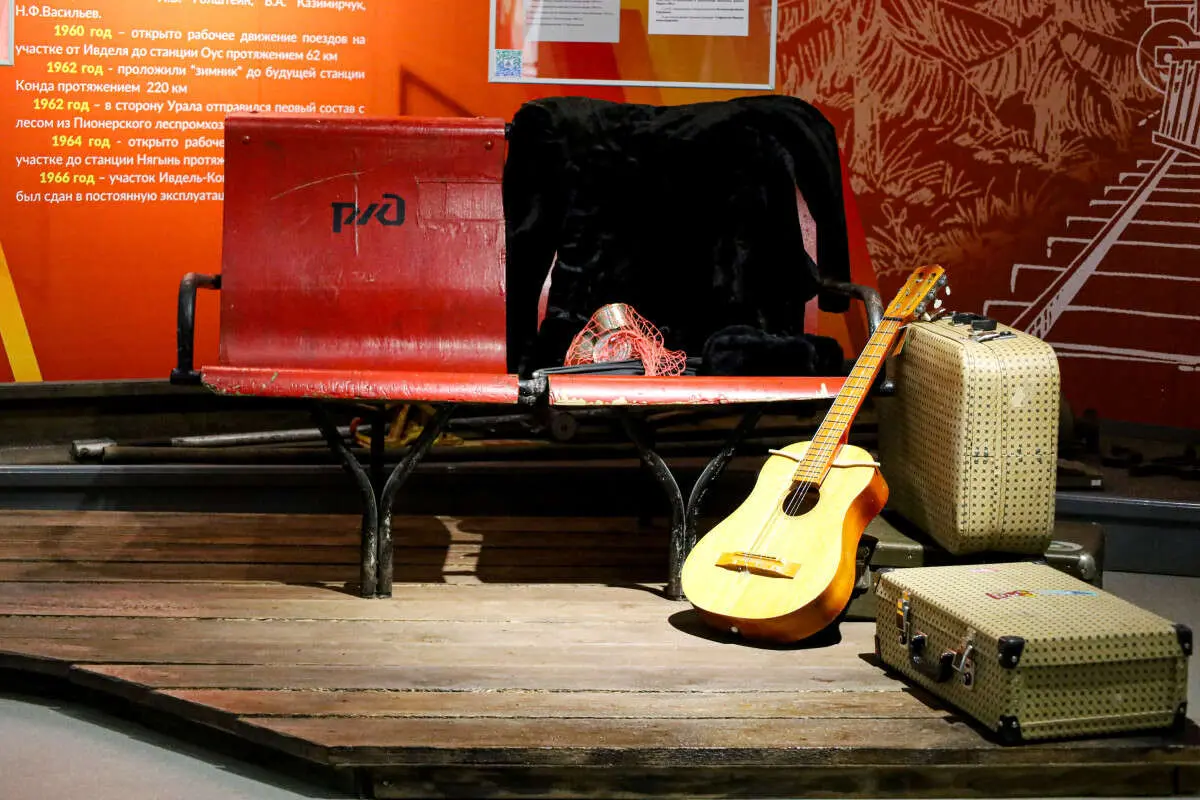
Kogalym has collected interesting exhibits that tell the story of the development of the North. Here you can see a real tent of geologists, a passenger car in which they lived, and a copy of the Ermak barge - a symbolic vessel associated with the early exploration of Siberia.
These exhibits allow you to touch on different eras of the development of the North: feel the conditions in which the oil glory of Yugra was born, how routes were laid through the taiga and swamps, and also learn more about the historical figures who stood at the origins of the study of Siberia.

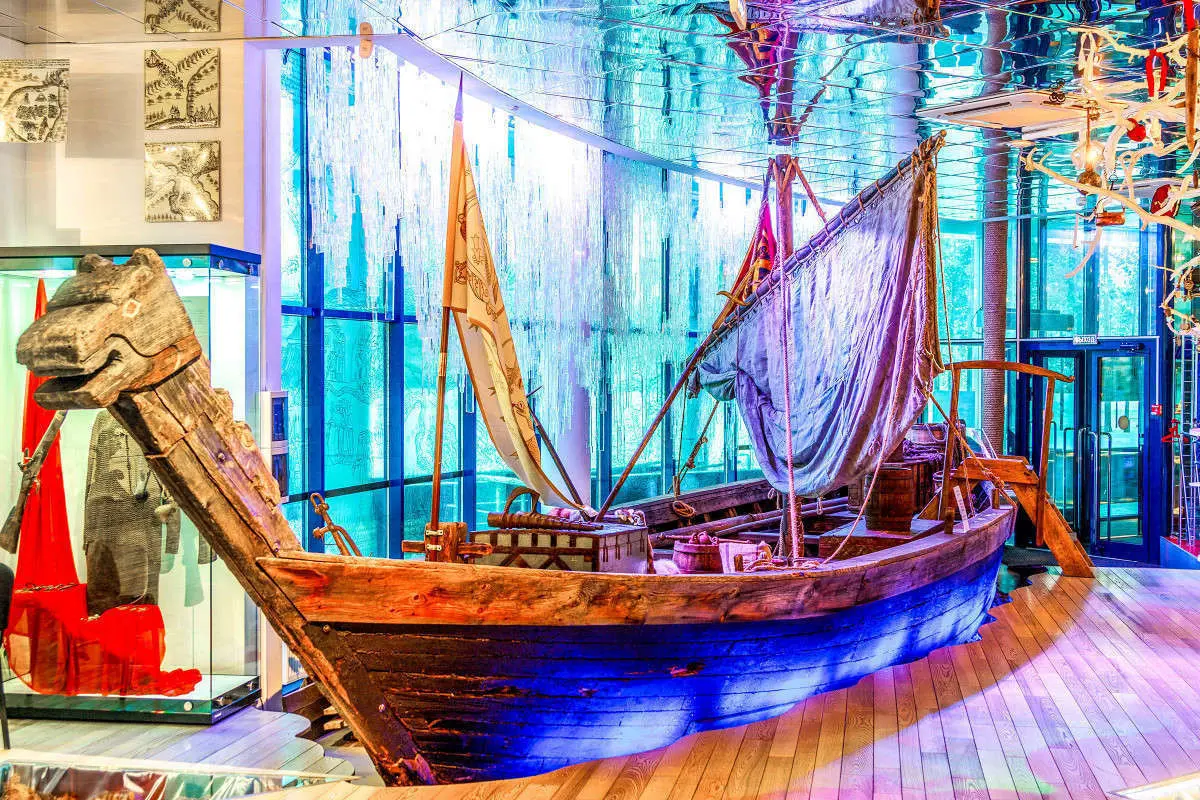
Archaeology of the Lower Ob Region
Where is it: Beloyarsky District Museum of History and Local History
The Beloyarsky District Museum of History and Local History has a unique collection of items from the fortified settlement of the Lower Ob region, Kurtolen III. It includes ceramics, bronze jewelry, iron tools, and artistic examples of metalwork.
The largest collection of Christmas tree decorations
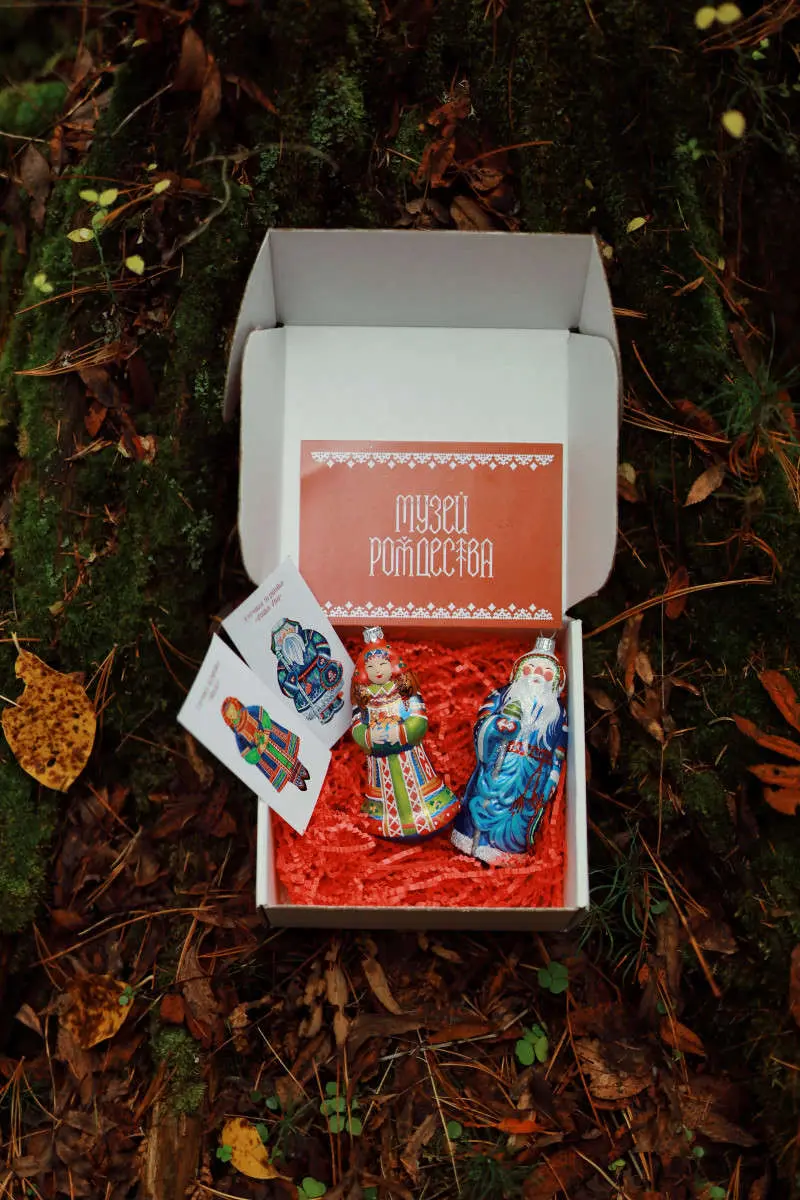
Where is it: "Museum of Christmas", Khanty-Mansiysk
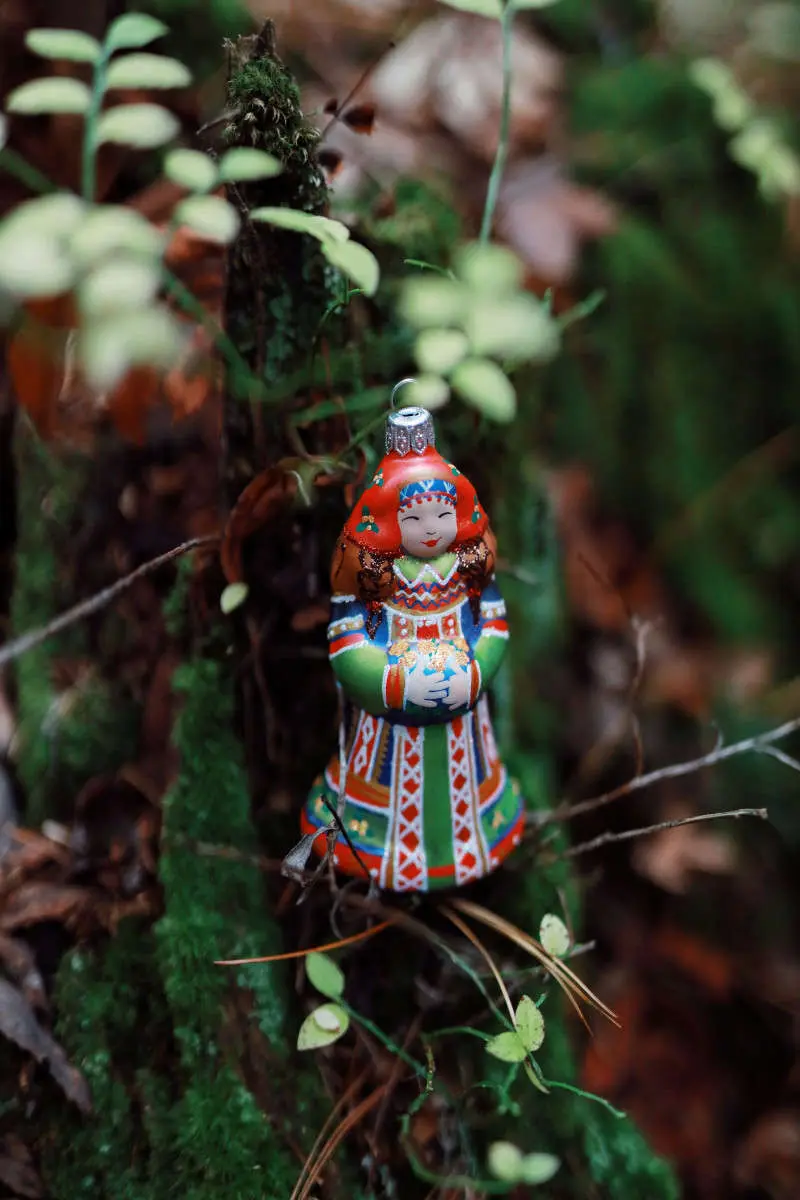
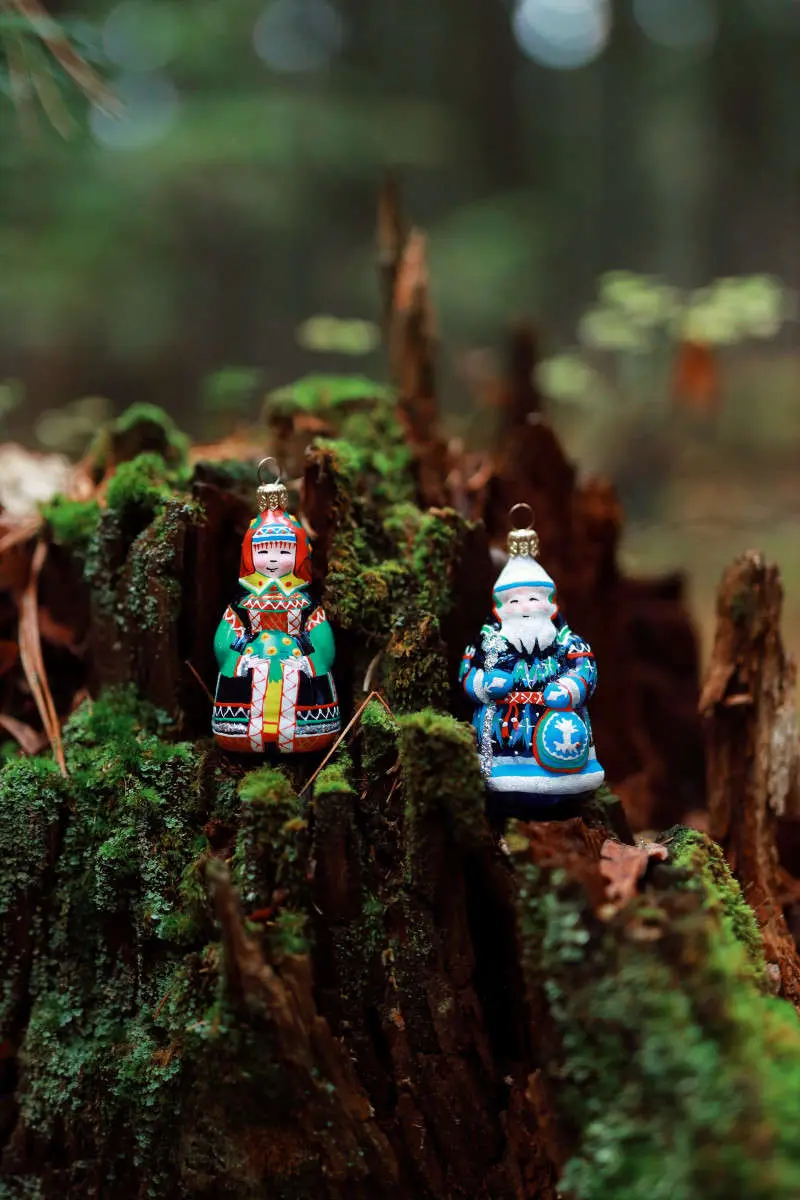
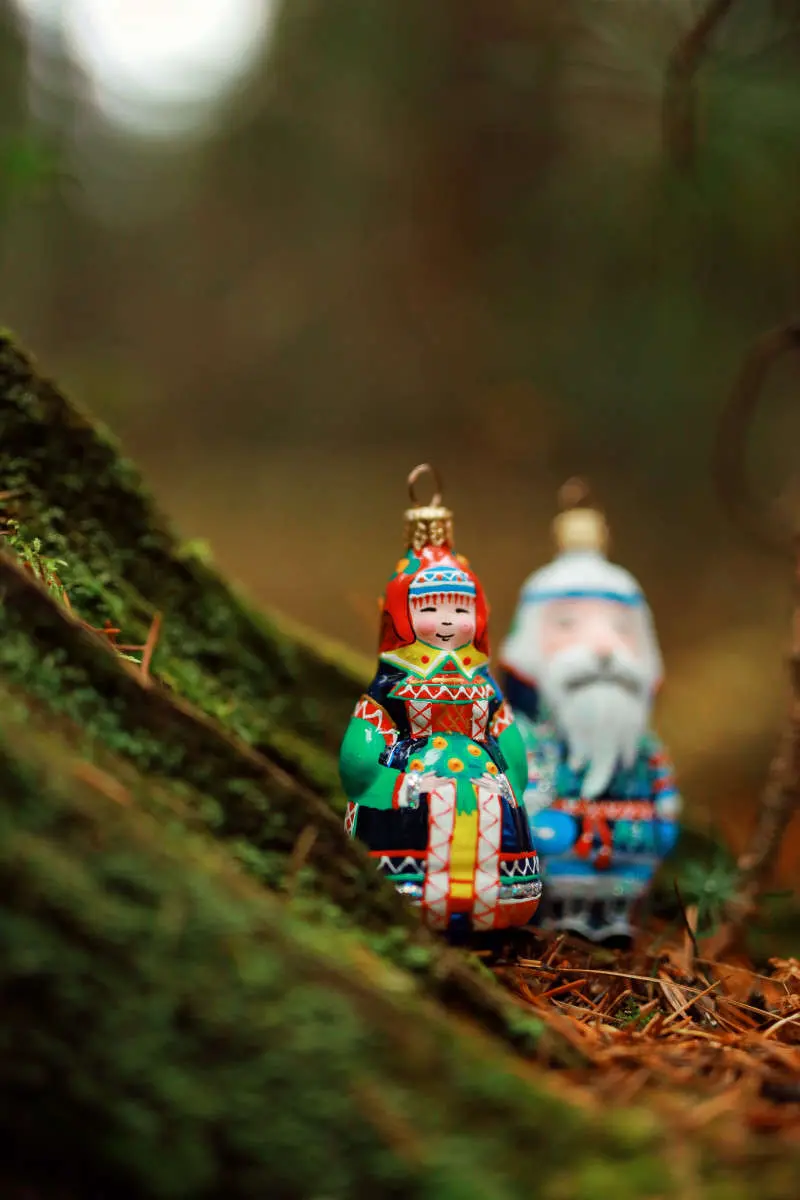
The unusual museum in Khanty-Mansiysk has an impressive collection of molded glass Christmas tree decorations, made based on folk tales, different nations of the world and different eras. The museum is included in the Russian Book of Records as the largest thematic collection of its kind.
Ring of the Pelym Prince
Where is it: Museum of History and Ethnography, Yugorsk
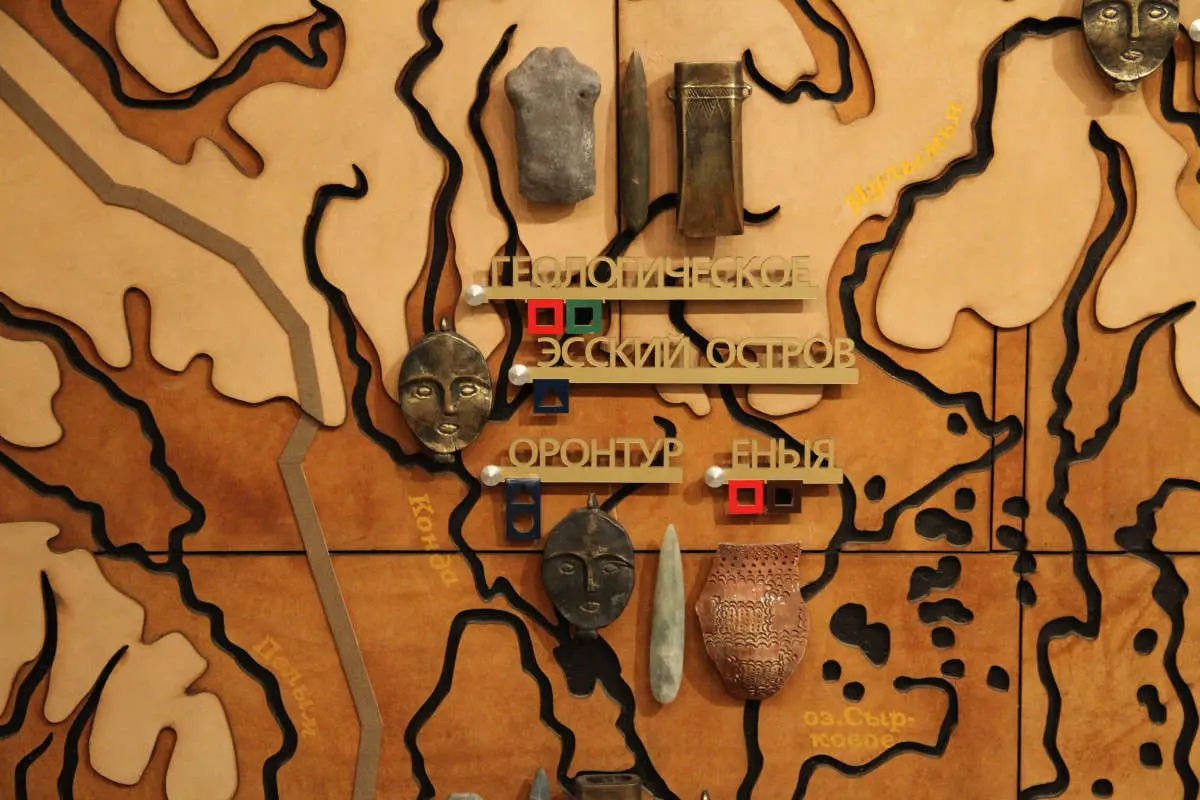
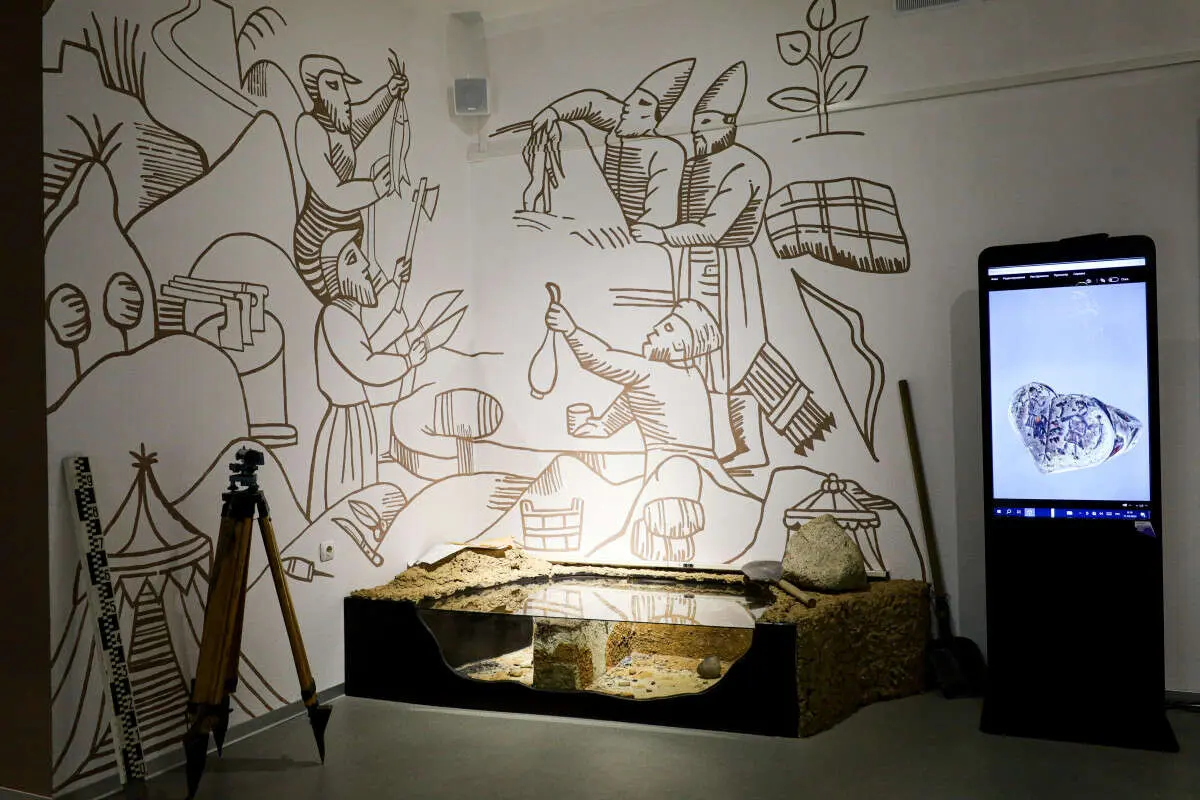
The Essky ring of the Pelym prince is, without exaggeration, the main museum symbol and pride of the city. This unique signet ring from the late 15th – early 16th centuries was found by archaeologists on the territory of the Essky Island burial ground, located just twenty kilometers from Yugorsk. The ring is made of pure silver and decorated with a heart-shaped shield with a rare image of a sherti scene – a peace oath that, according to chronicles, princes gave when concluding alliances. Researchers believe that this ring was presented to the Pelym prince as a sign of trust from the Moscow prince Ivan III – and remained with him forever.
Of course, you won't be able to take home a Byzantine jug or a shaman's drum (and you shouldn't even try). But we've collected ideas on what you can and should definitely take with you from Yugra in the article "What to bring from Yugra? Choosing souvenirs."