Where to Go and What to See
Where to Go and What to See
What to see in Nizhnevartovsk region?
Nizhnevartovsk district is the largest municipal district of Ugra by area. Its territory is rich in natural attractions, and national villages preserve the culture, traditions and way of life of the indigenous peoples of the North.
By the way, until 1962 it was called Laryaksky. This remote village has been a regional center and a significant retail outlet of regional importance for more than thirty years. Therefore, it is advisable to begin acquaintance with a modern municipality by studying its history. Let's go to the Stall.
The stall is located in a remote part of Nizhnevartovsk district. The method and time of the trip depend on the season and the transport situation, so it is recommended to clarify the route before traveling.
By the way, from the language of the Vakhovsky Khanty, one of the translation options for the name of the village sounds appropriate to the location – "the people from the flood meadows." Another option is "people in the swamp." "Lar" – water meadow, swamp. "Yakh" means "people, a people, an area inhabited by people and animals."
Are you ready to find out what interesting stories this area holds?
Museum-estate of merchant Kaidalov
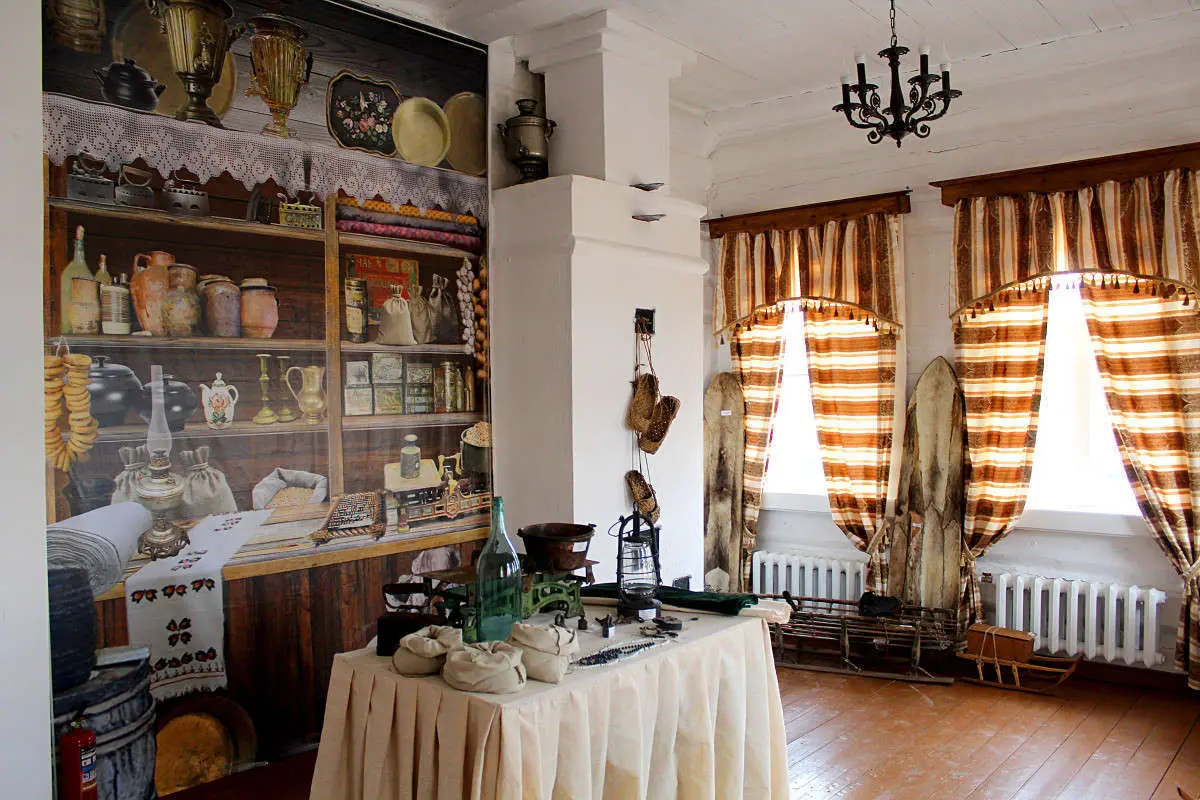
Here you will learn about the history of the former district center and why it was called a significant shopping center.
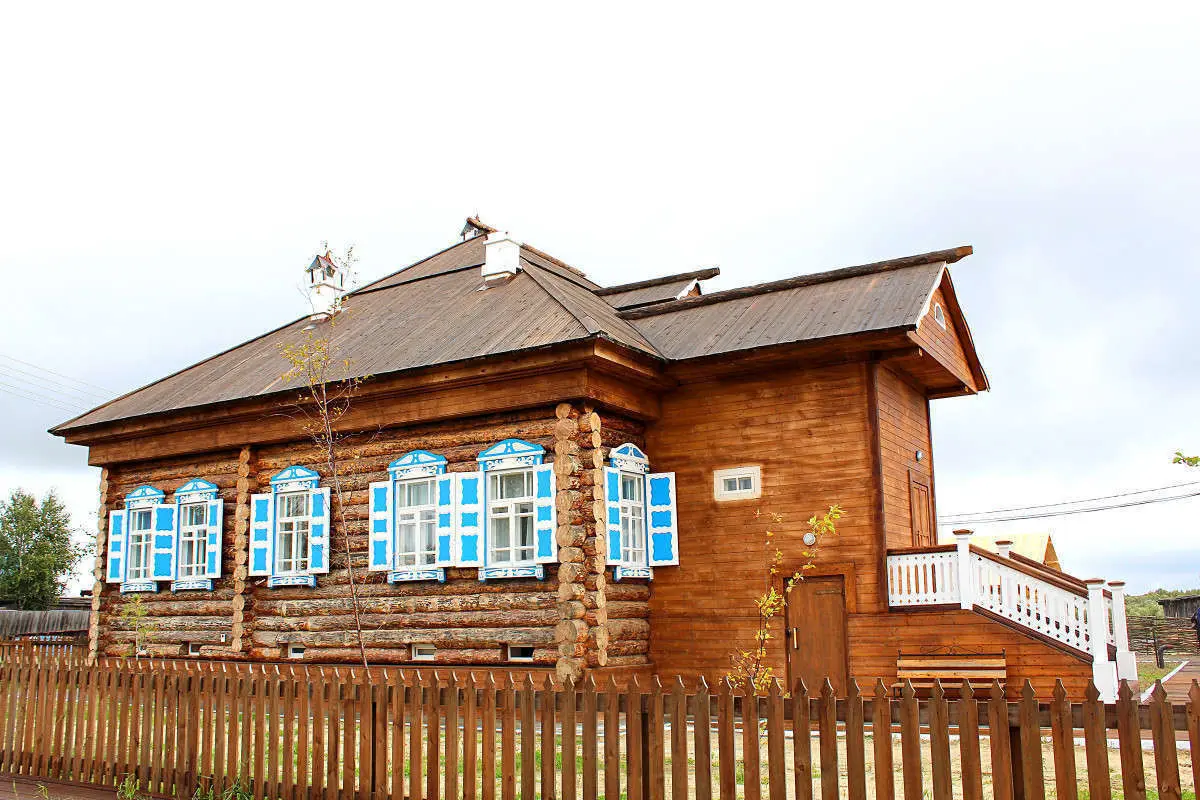
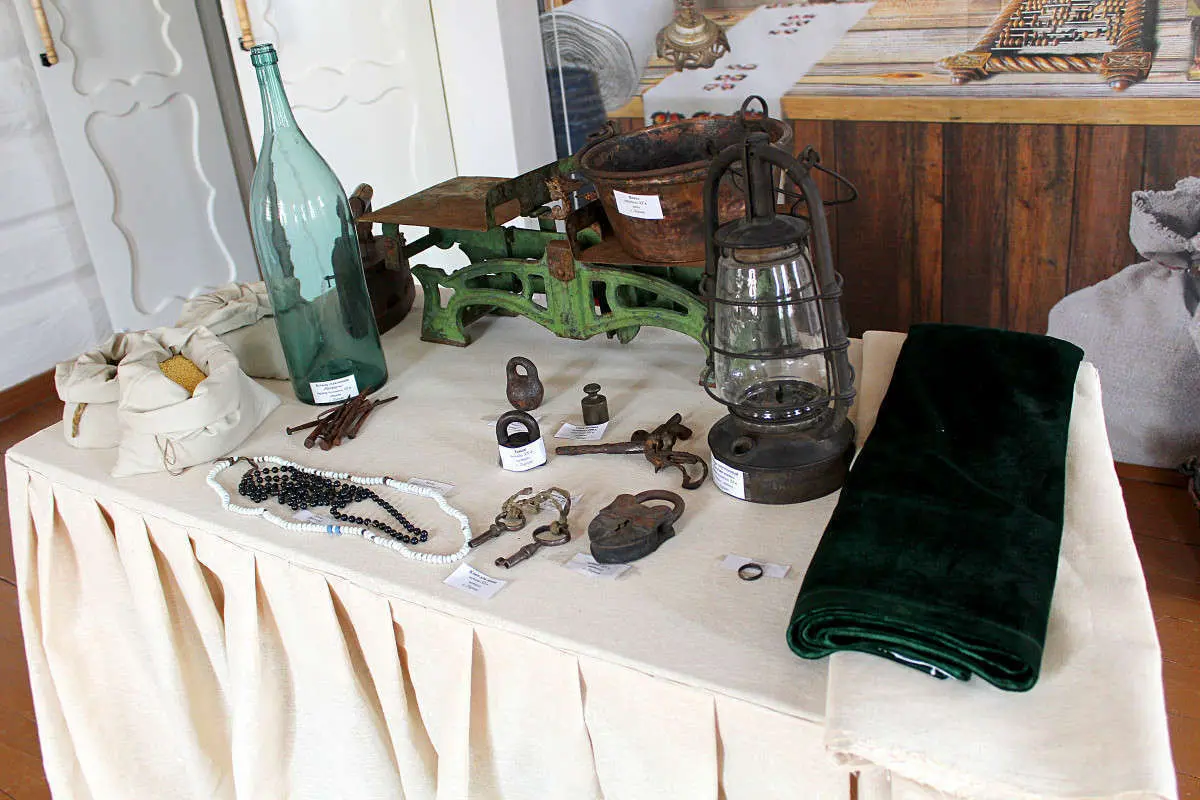
The wooden house is located on the high bank of the Vakh River. According to archival sources, the building originated in the second half of the 19th century and belonged to Prokhor Akimovich Kaidalov, a merchant of the second guild. This is one of the surviving houses in the village built in the last third of the XIX – early XX centuries.
Merchant Kaidalov was a native of Surgut Cossacks. He settled in the Stall in 1885. During his stay, he managed to establish trade with Surgut, Tobolsk, Tomsk, Narym, and even participated in the study of the Vakh River basin. In short, he actively developed the settlement.
His ancestral estate has a rich history. In 1898, the Finnish scientist Uno Tavi Sirelius lived in the Stall. He visited the Kaidalov house every day. In June 1899 and in the winter of 1900, the chief forester of the Tobolsk province, the famous researcher of the Tobolsk North, A. A. Dunin-Gorkavich, stayed and visited the house. As well as researcher G. M. Dmitriev-Sadovnikov, who later married Kaidalov's daughter, Anna.
After the merchant's death, different things happened to the house. During the revolution, the party district committee was located here, then the library. Then it was completely divided into small apartments.
In the following years, the house underwent more than one reconstruction: there was a pharmacy, a store, a boarding school and even a Red Cross society. Over time, the structure was destroyed, and as a result, only ruins remained of it. In 2012, the house was included in the unified register of historical and cultural monuments. In 2014, the reconstruction of the building began. On September 9, 2017, the museum was opened to the public.
In order to assign the estate the status of a historical monument, the builders had to try to preserve the original material – the original doorways and window frames, wooden carved elements. During the restoration, ancient technologies were used – the installation of a clay screed, the treatment of walls and ceilings with slaked lime.
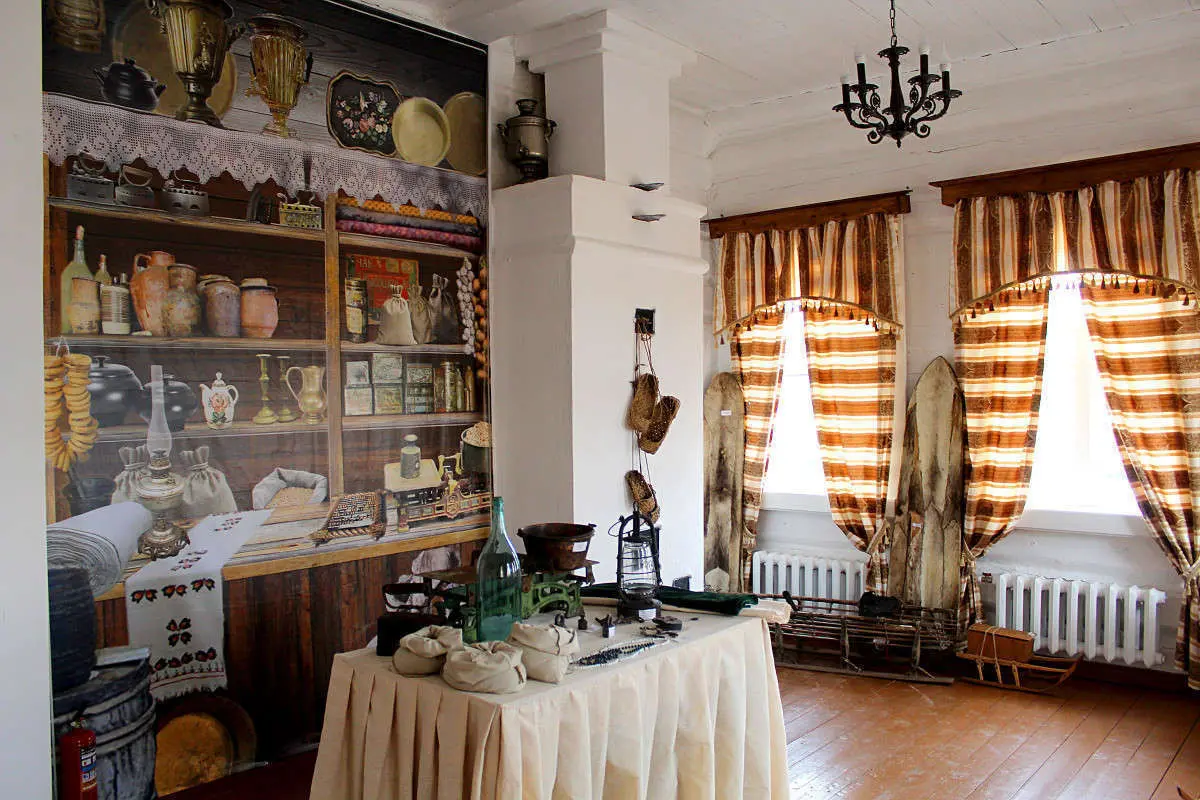
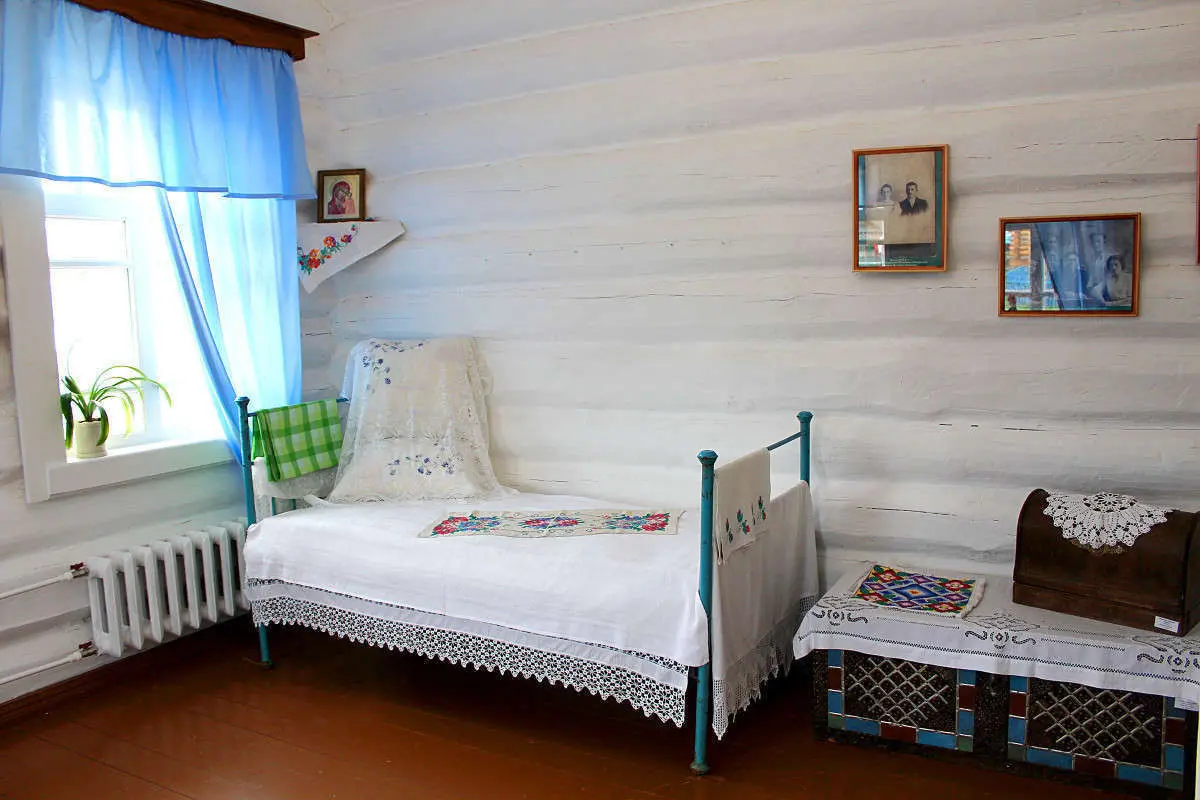
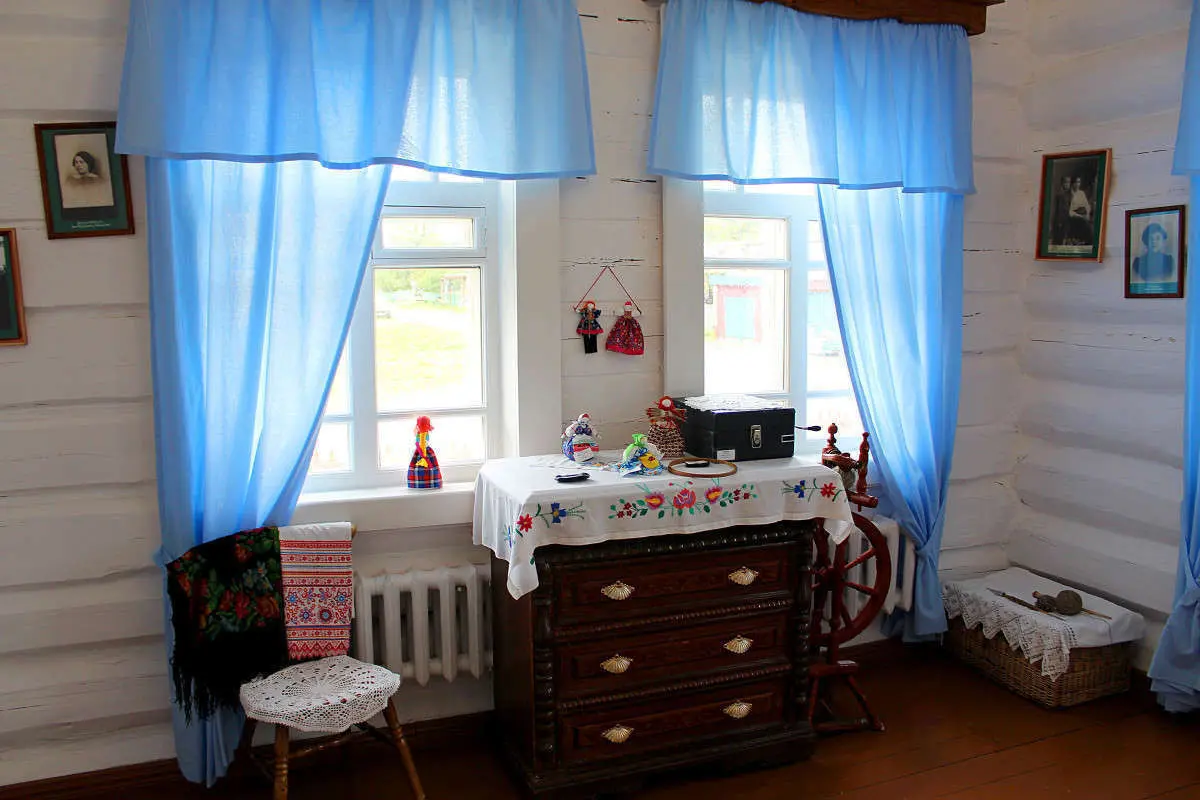
Now it is a magnificent 6-room manor with courtyard buildings, characterizing the merchant life of the northern region. The first room was Ostyatskaya, where the merchant's main life took place, there was a shop with goods and settlements with hunters were made.
Next is the office of Prokhor Kaidalov himself, a women's room where the merchant's five daughters lived and worked. And a kitchen-dining room with a Russian oven.
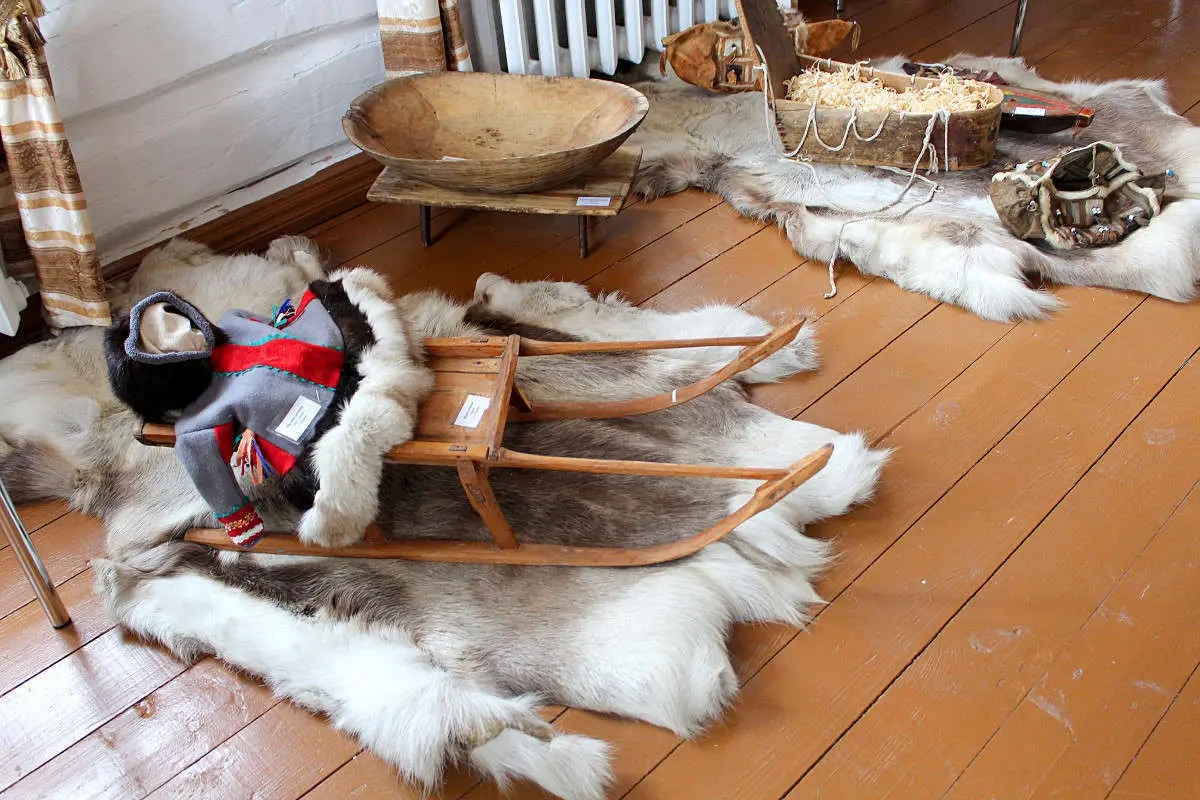
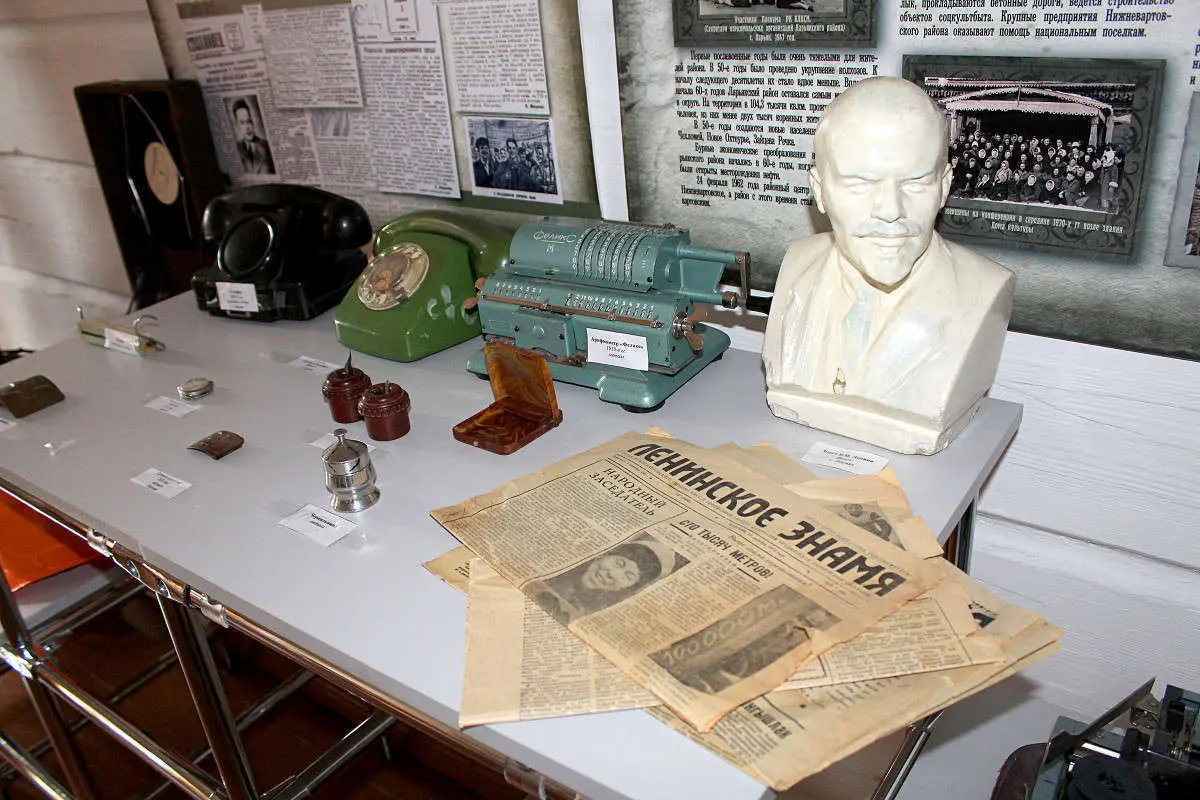
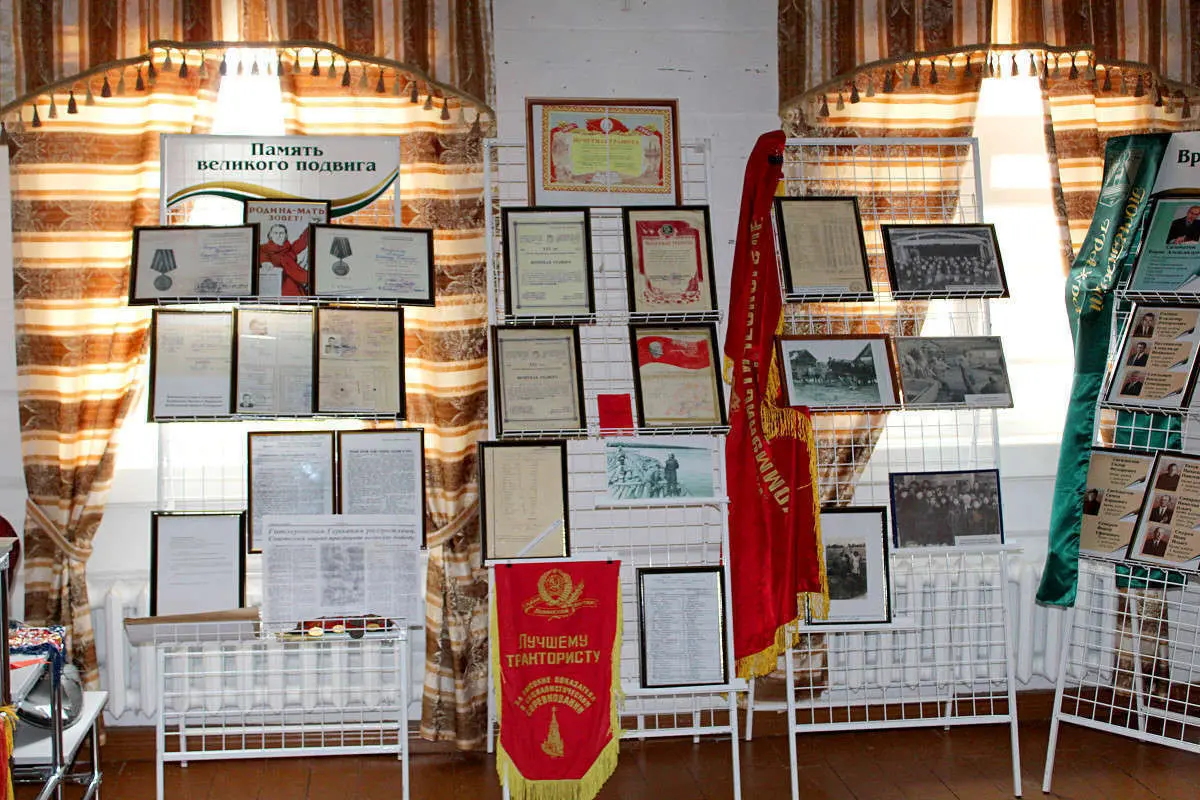
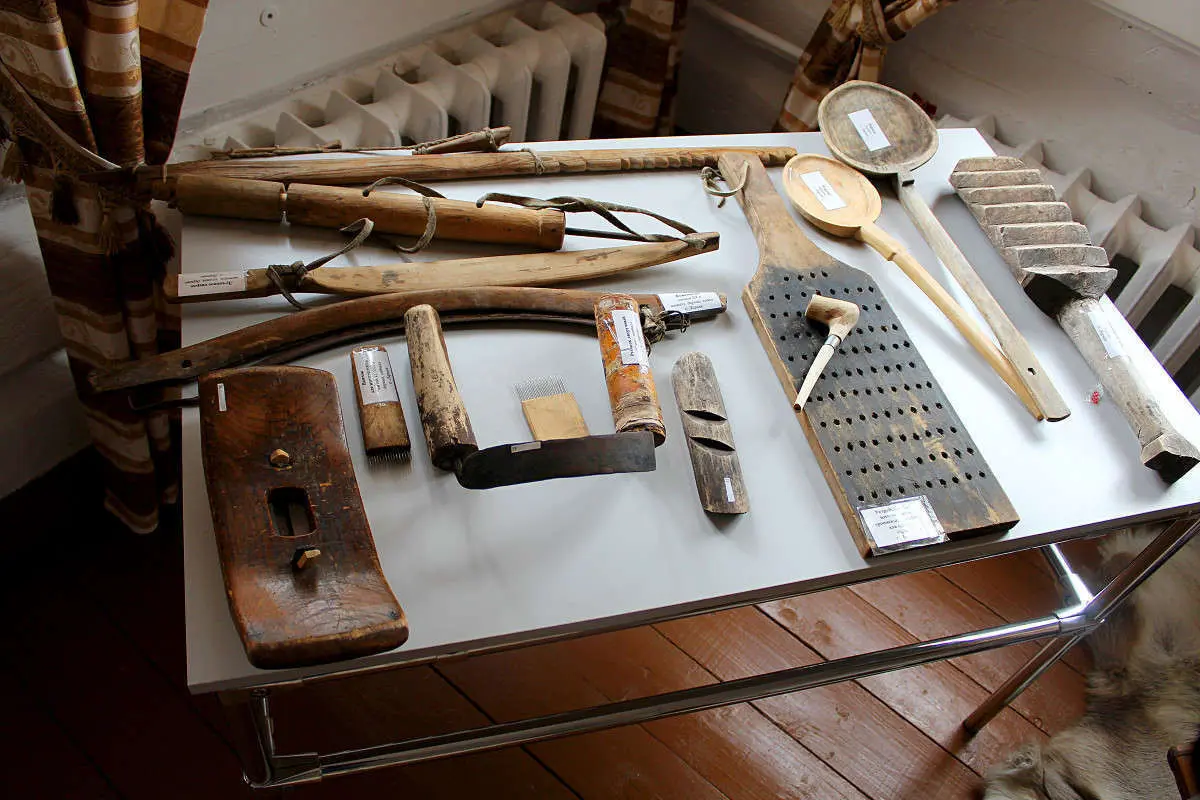
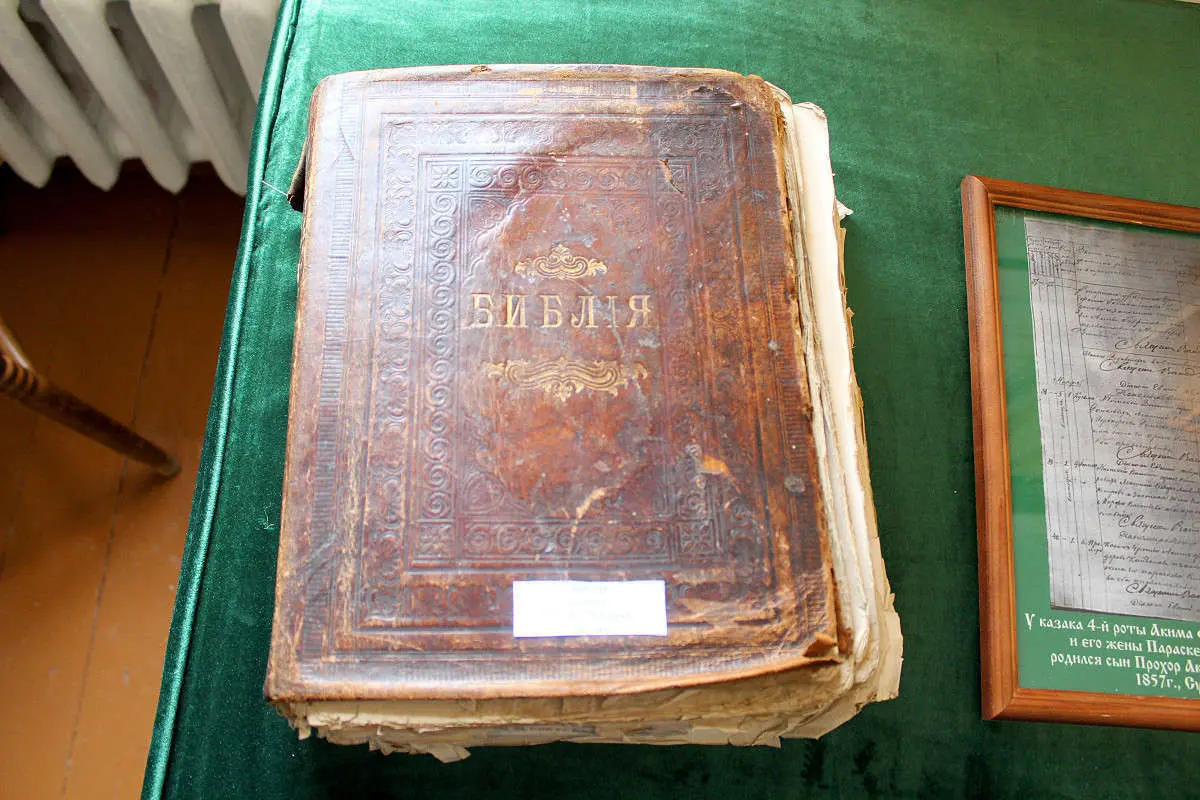
Today, the museum's collections contain an extensive collection of historical and everyday objects. The basis consists of historical and household items: dishes, various newspapers, kitchen utensils, hunting equipment and other things of that time. Most of them were donated by the residents of the Stall. The museum's collection is connected with the almost three hundred-year history of the village and the Russian settlement of the Middle Ob region.
The next point of the route is the national village of Variogan. The journey from Nizhnevartovsk to it takes less – about two and a half hours on a modern highway. So the trip will be comfortable. The village is the heart of the preservation and revival of the traditional culture of the peoples who lived near the Agan River basin and its tributaries – from the first settlements to the present day.
In Variogan itself, several places at once allow you to get to know the culture of the indigenous peoples of the North more closely. You can start with the ethnographic museum park.
Ethnographic Park-Museum of S. Variogan
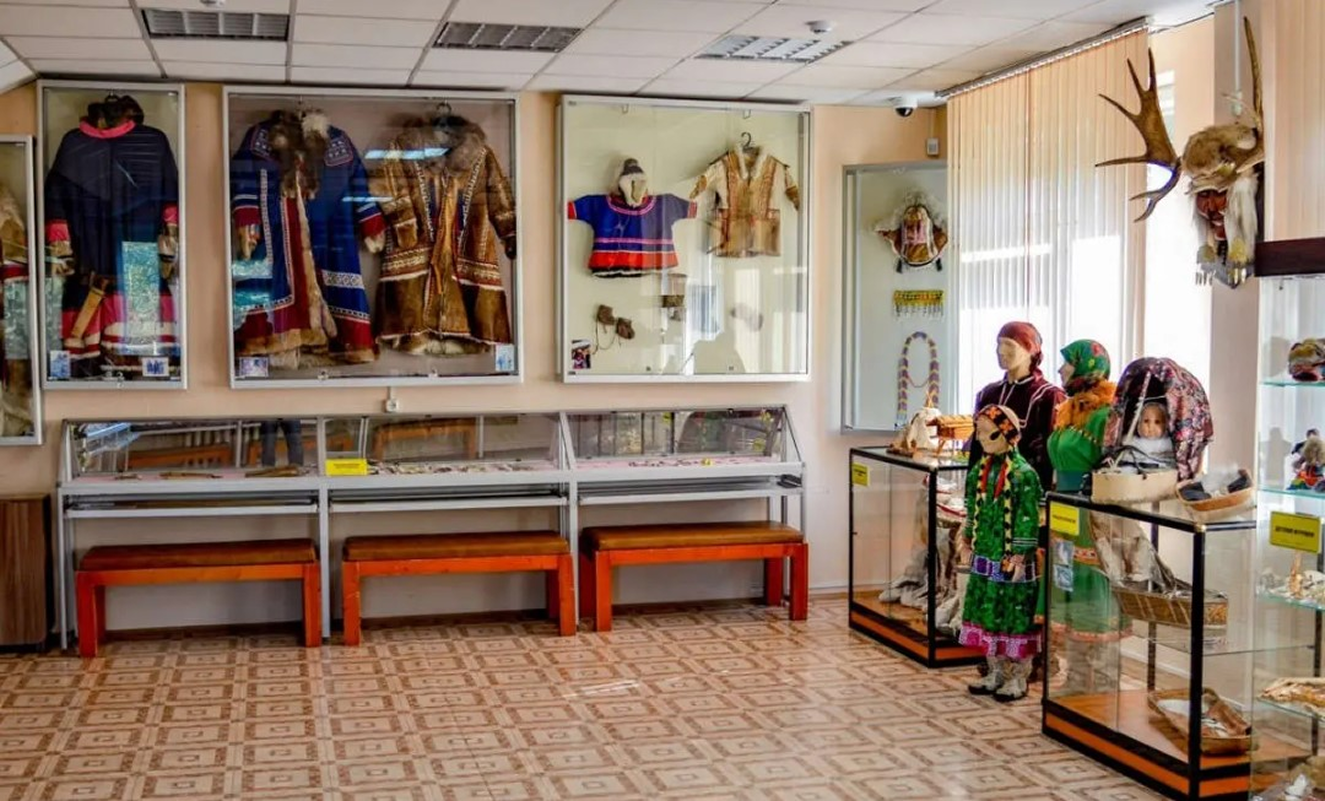
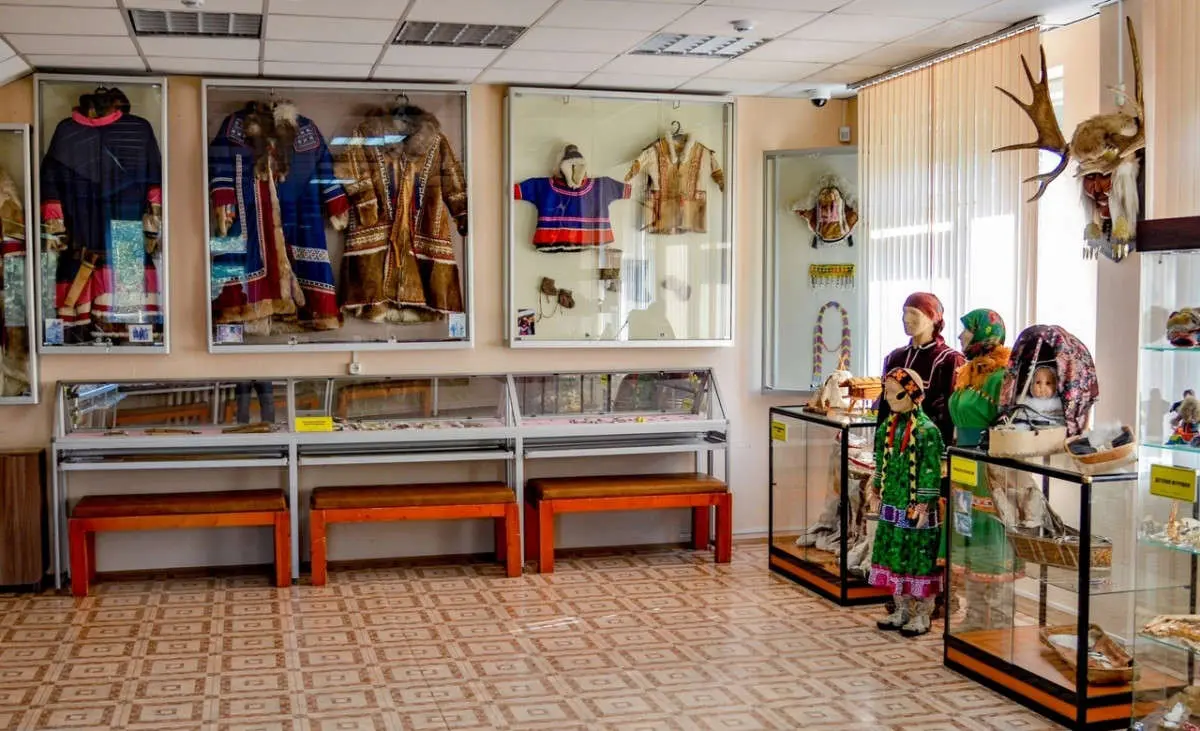
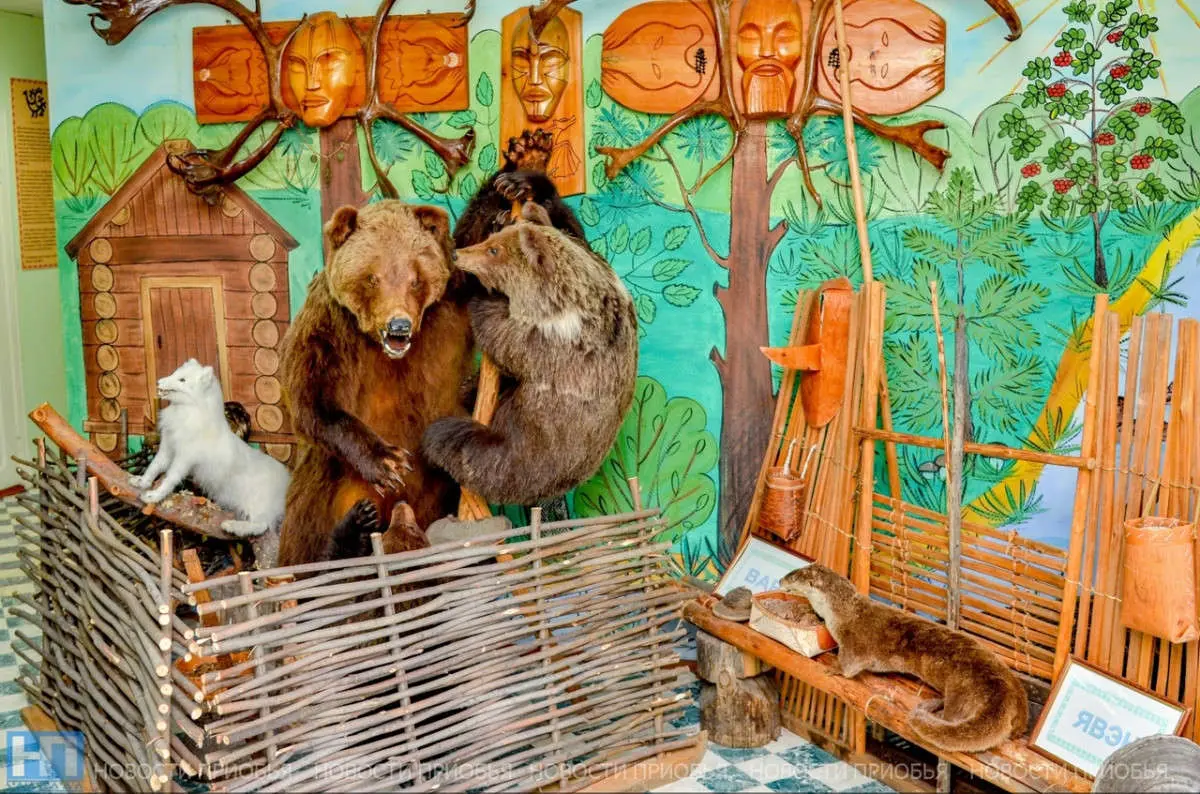
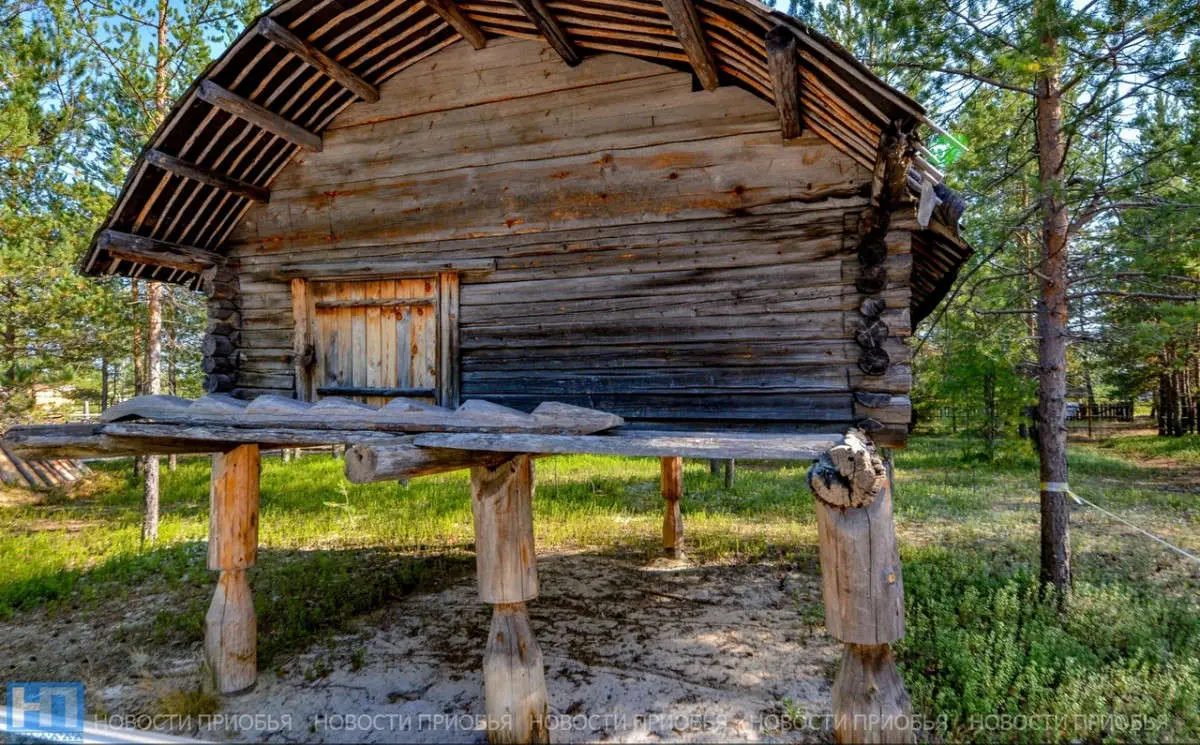
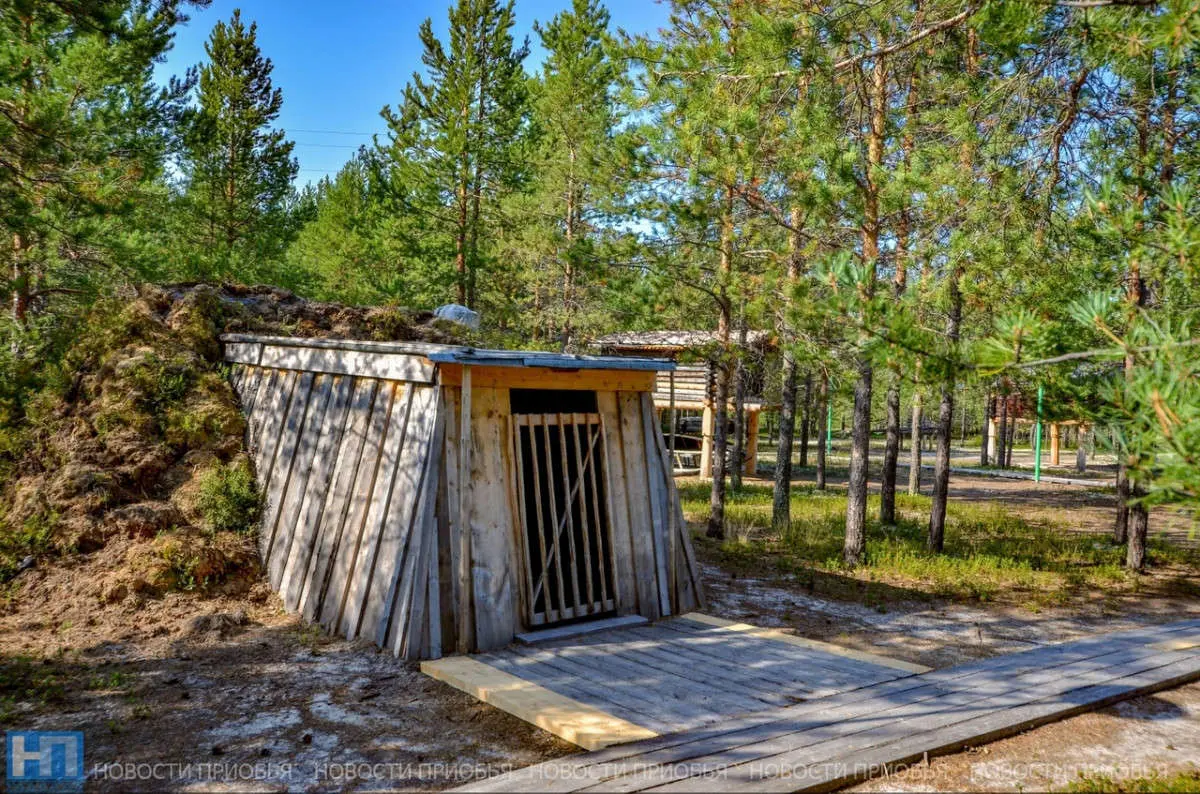
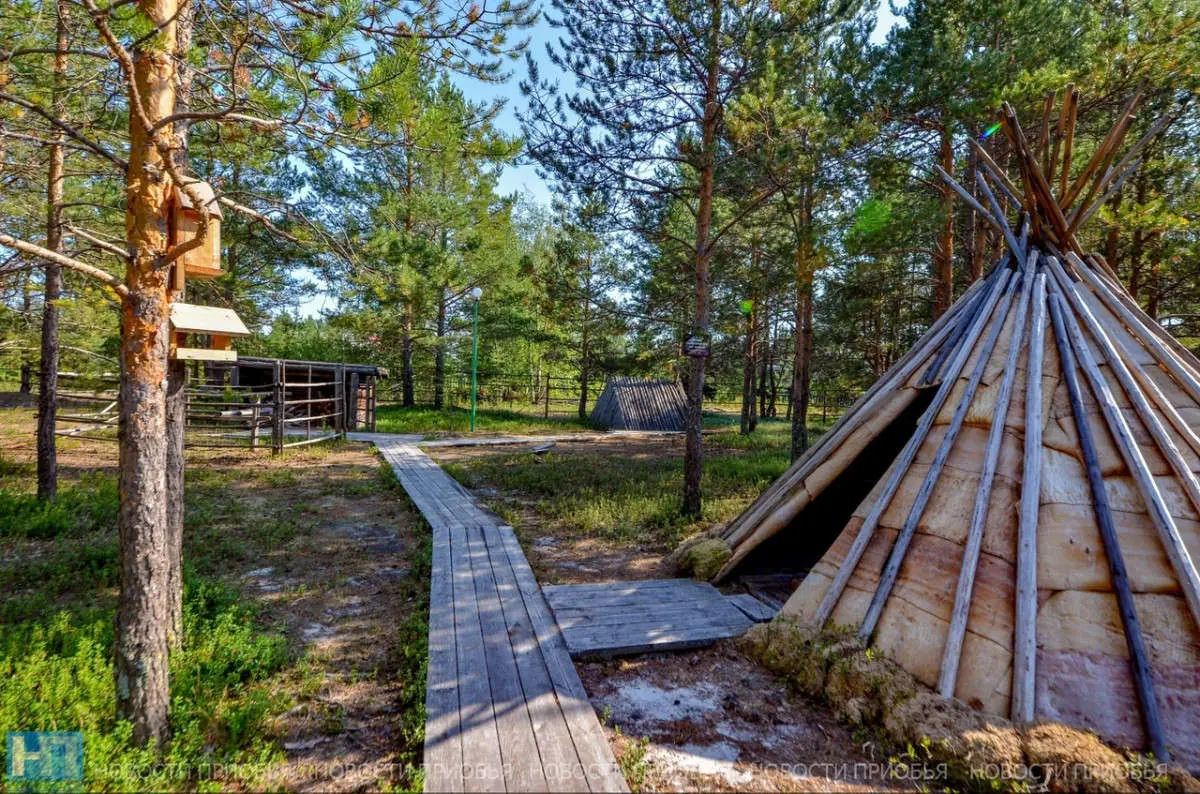
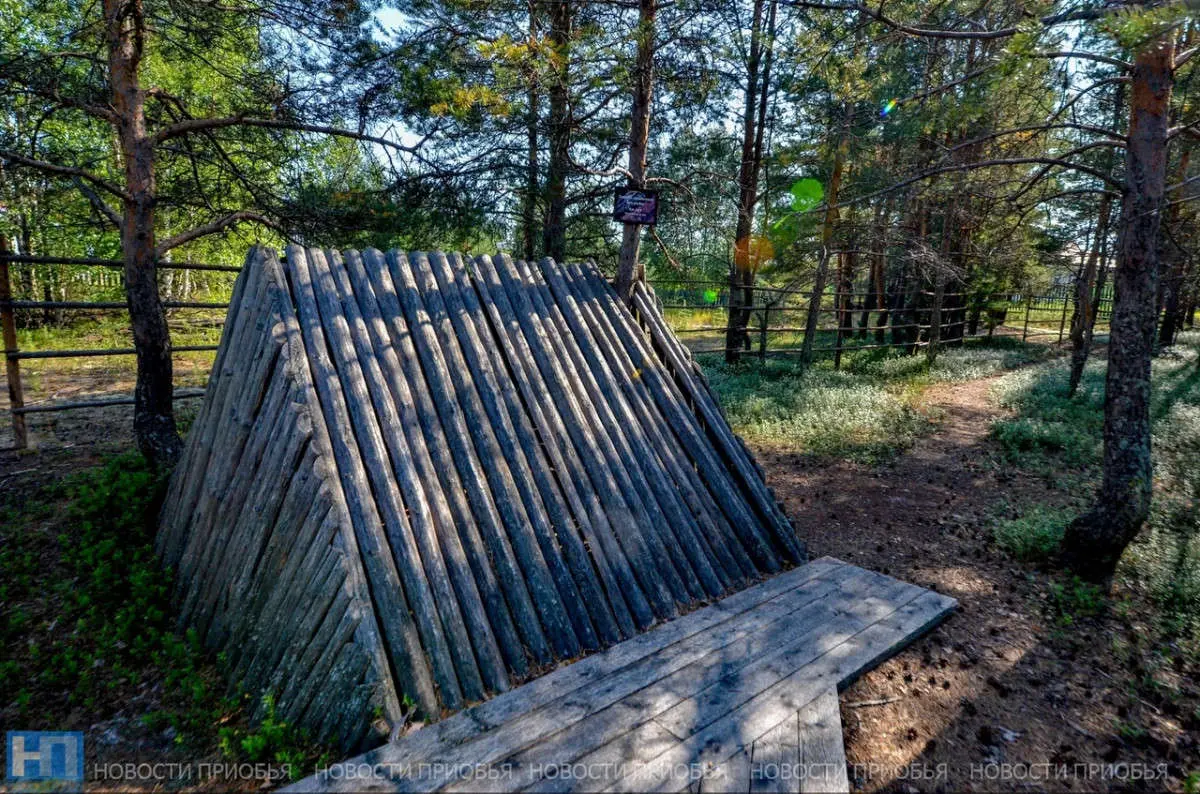
Getting to know Variogan should start with the ethnographic Museum Park, one of the first national museums in Ugra. It was founded in 1987 by the famous writer and poet Yuri Valla. The main task of the museum is to preserve and popularize the historical and cultural heritage of the Agan Khanty and forest Nenets.
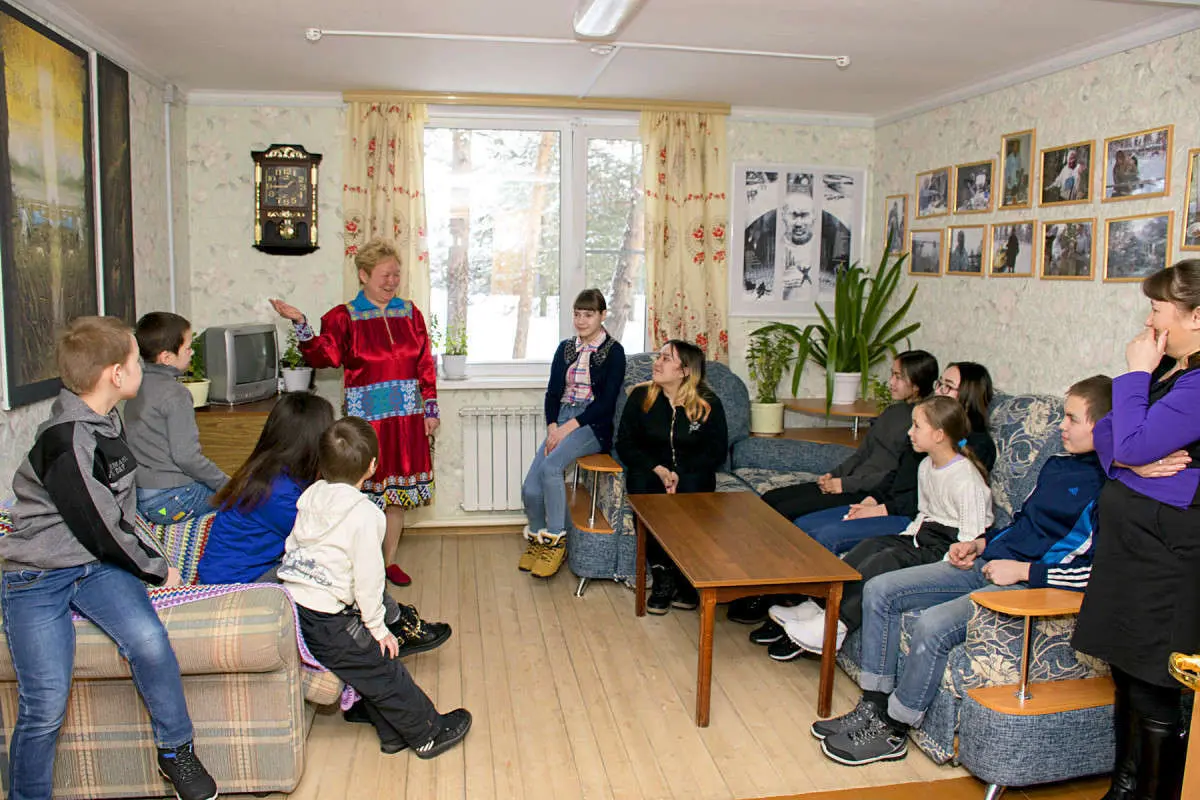
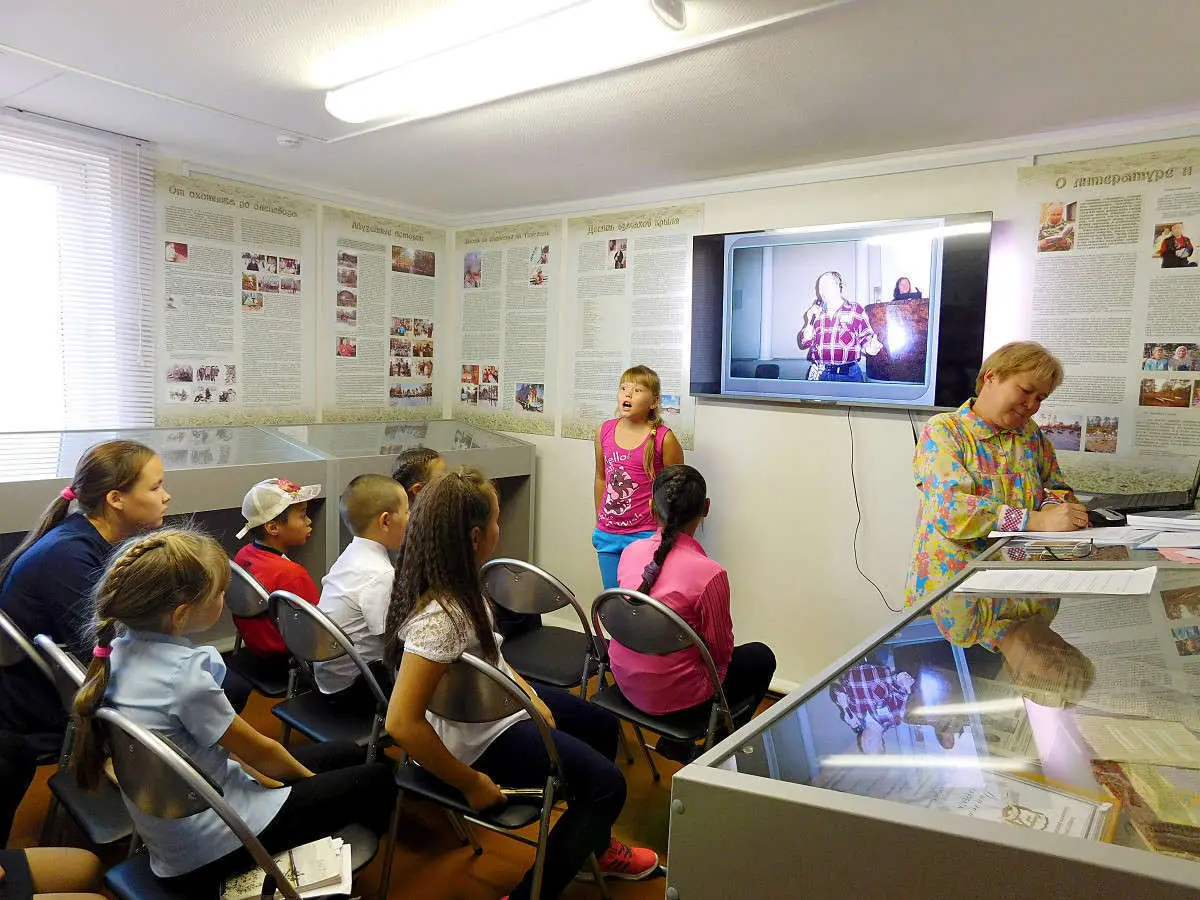
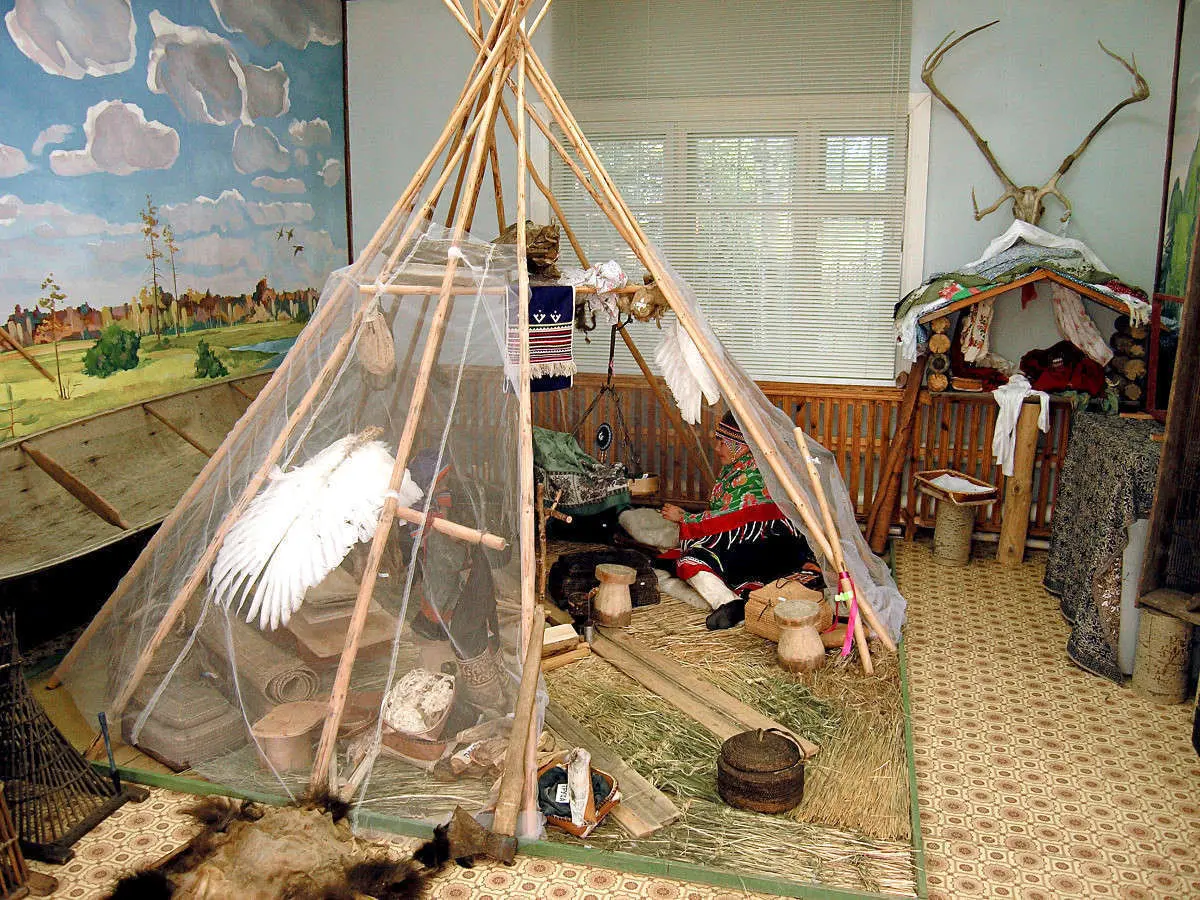
Here you can get to know more about the traditional way of life of the indigenous peoples of the North, their culture, customs and crafts. Household items and materials telling about the life of the local population are presented on the territory and in the expositions. The museum also hosts exhibitions, workshops, and cultural and educational events, and the souvenir shop offers local artisan products.
Yu.K. Vella House Museum
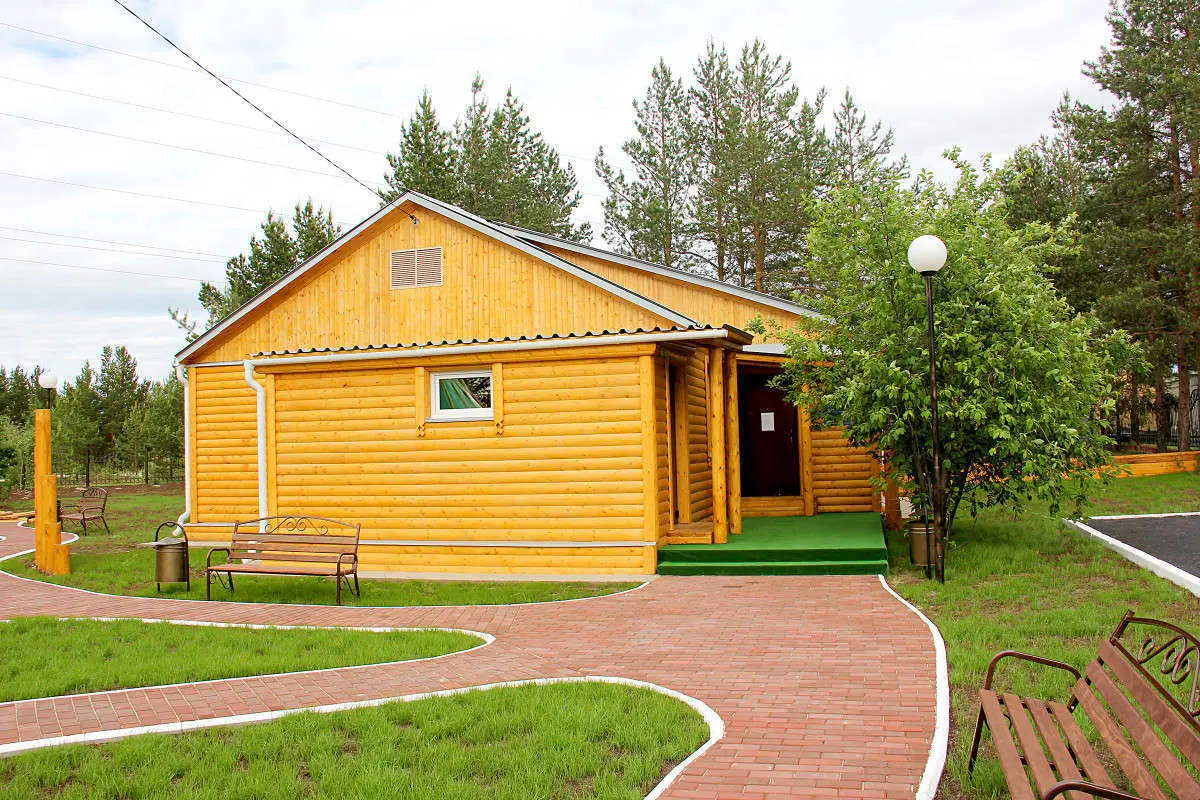
Another landmark place in Variogan is associated with the name of Yuri Kylevich Aivaseda, better known as Yuri Vella. The Nenets poet and writer devoted a significant part of his life to preserving the culture and traditions of the indigenous peoples of the North, and created his works in Russian, Nenets and Khanty languages. In 2016, a museum complex dedicated to his life and creative legacy was opened in Variogan.
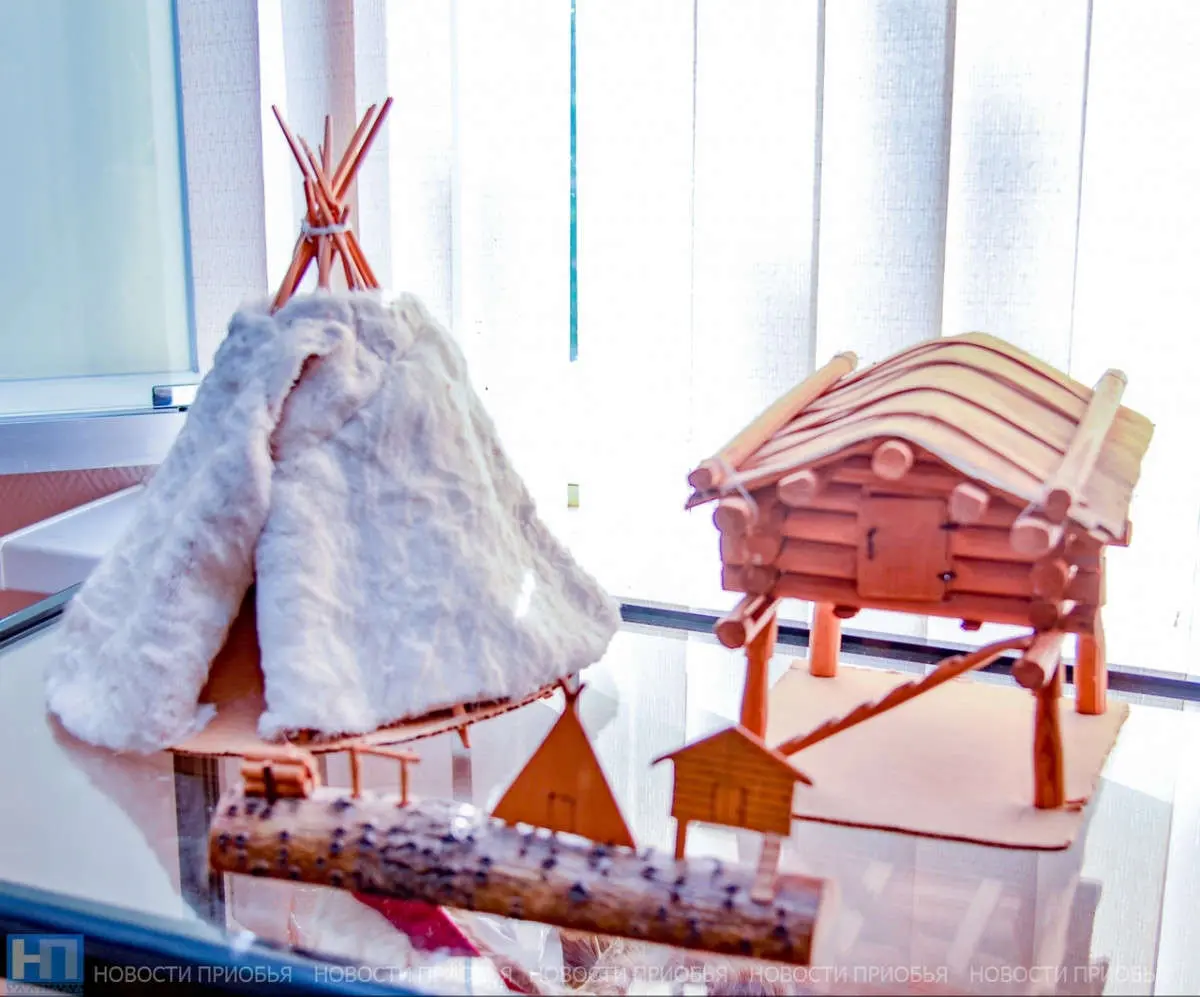
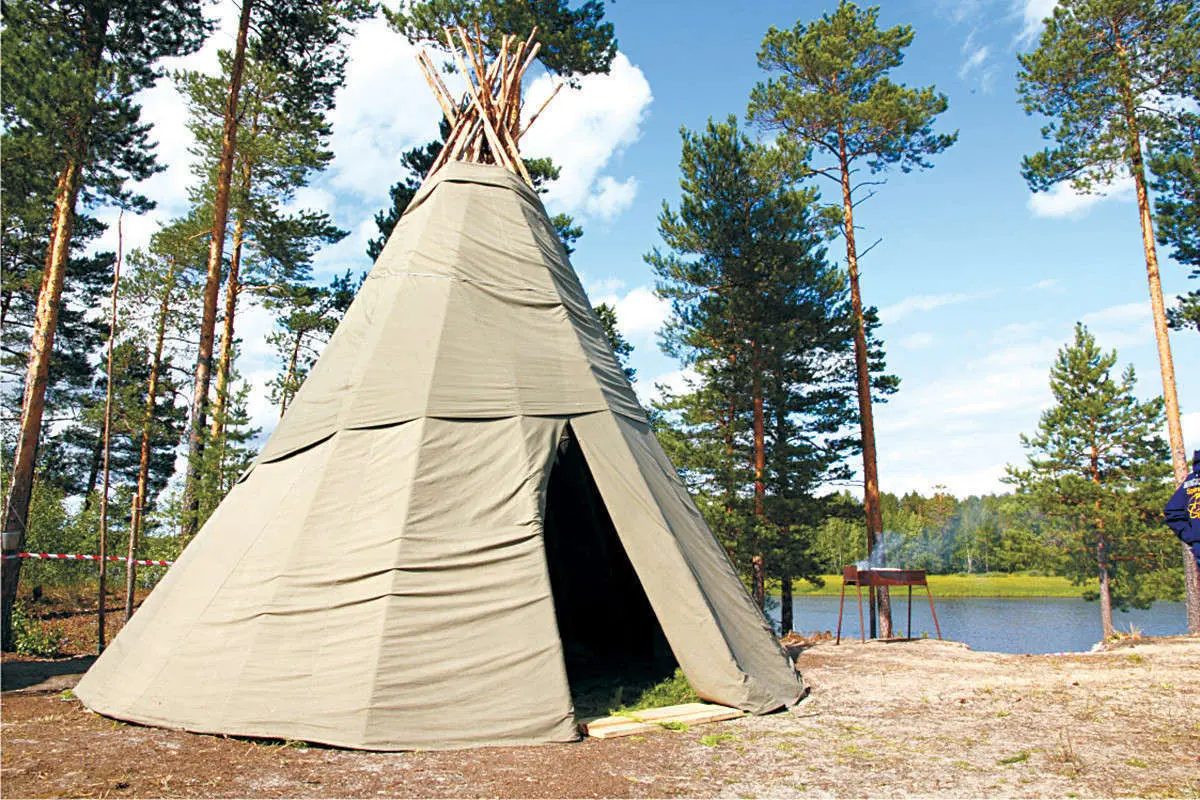
The complex includes the house itself and traditional outbuildings: a storage room, a veranda in the shape of a plague and a bonfire place. The exhibition helps to get acquainted not only with the literary heritage of Yuri Vella, but also with the man who stood at the origins of the creation of the ethnographic park-museum in Variogan. Today, thematic excursions dedicated to the writer's life and work are held here.
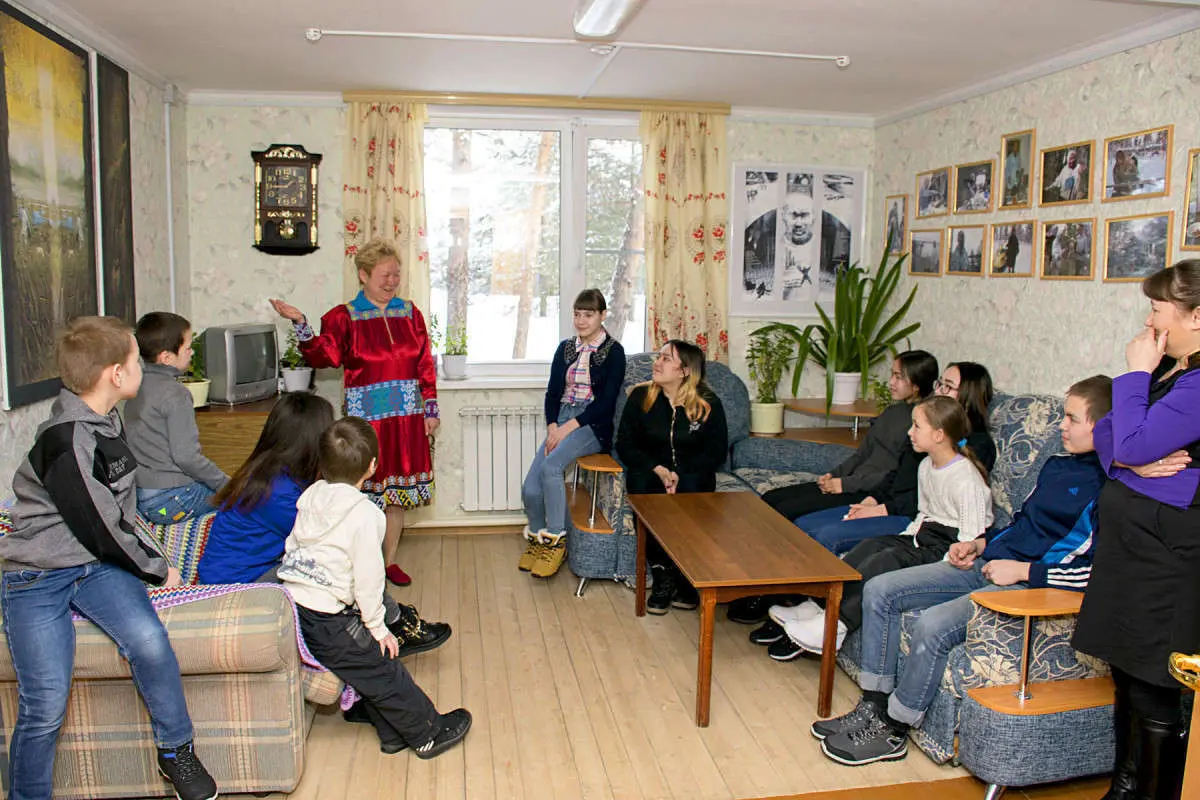
Inter-settlement Center of National Crafts and Crafts
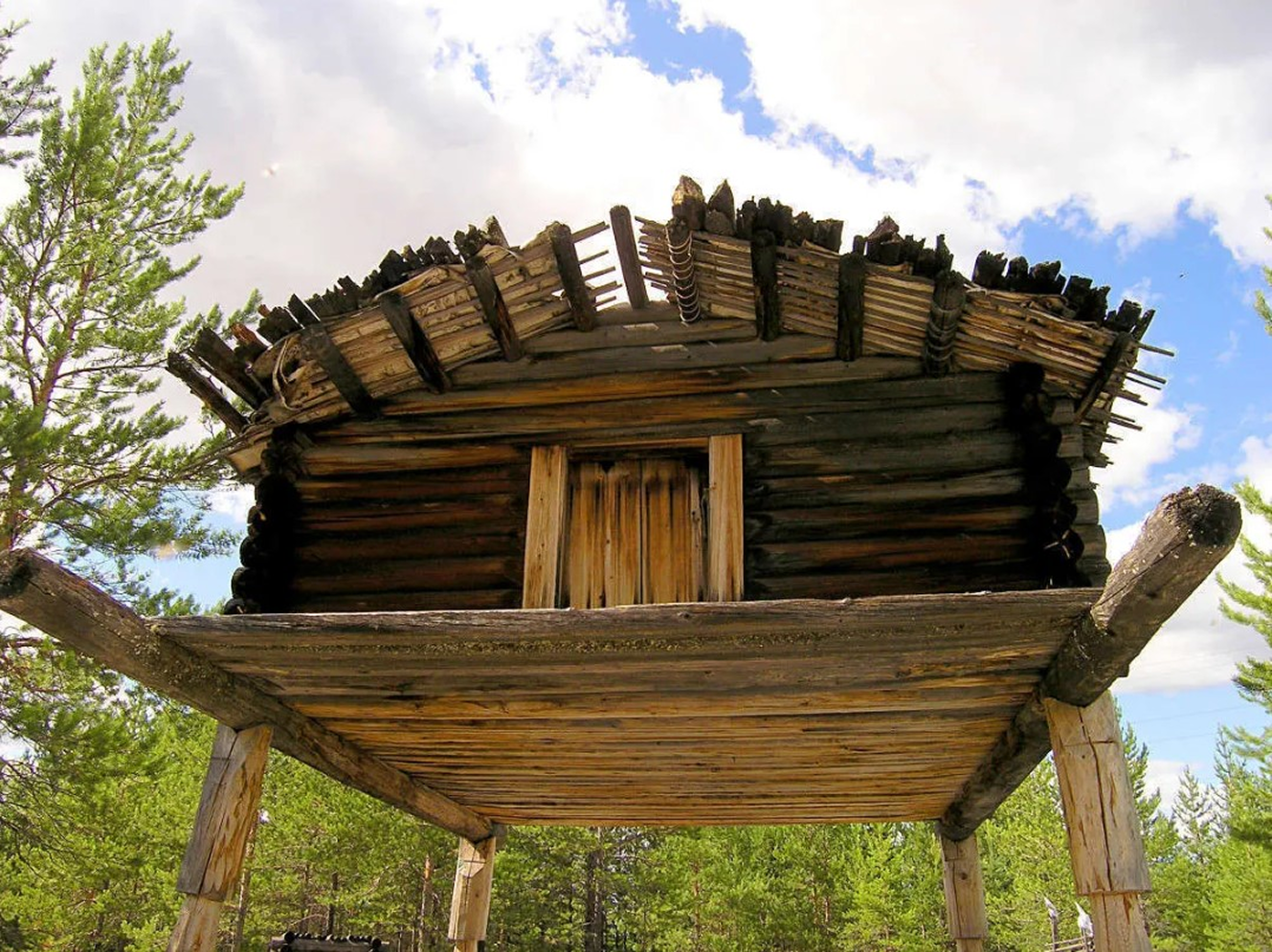
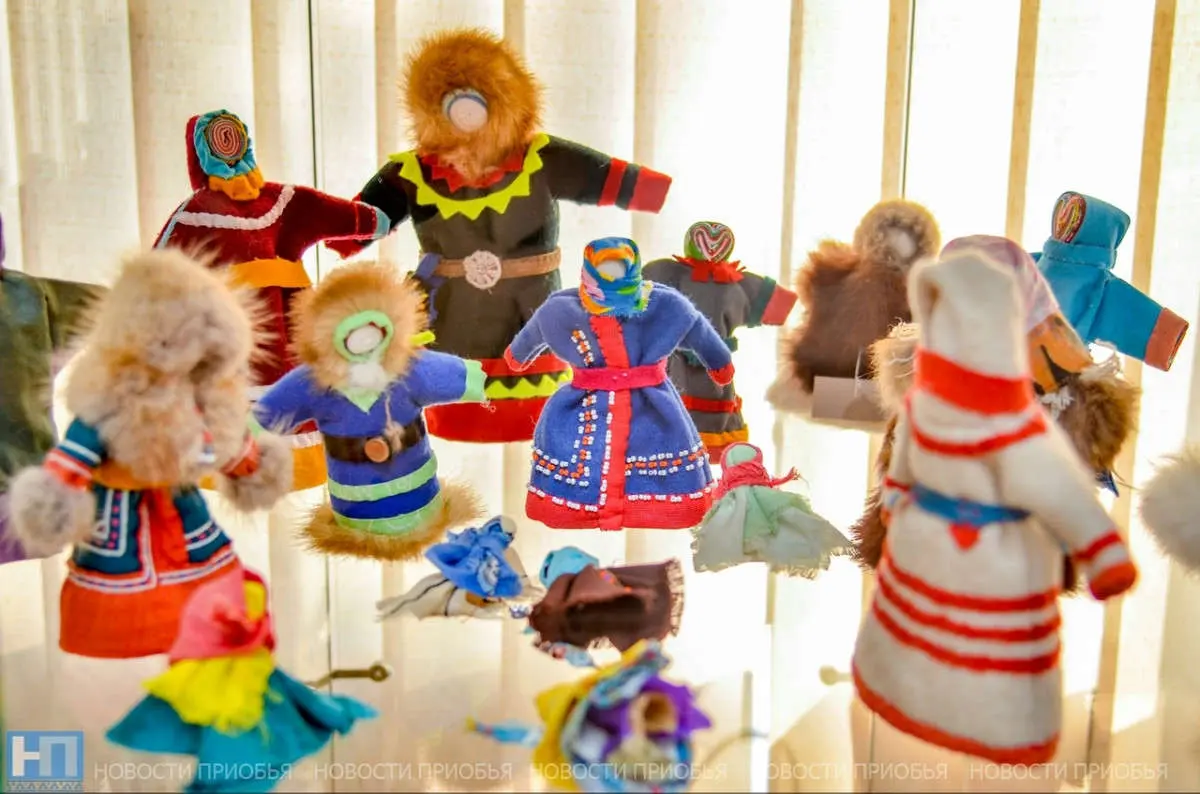
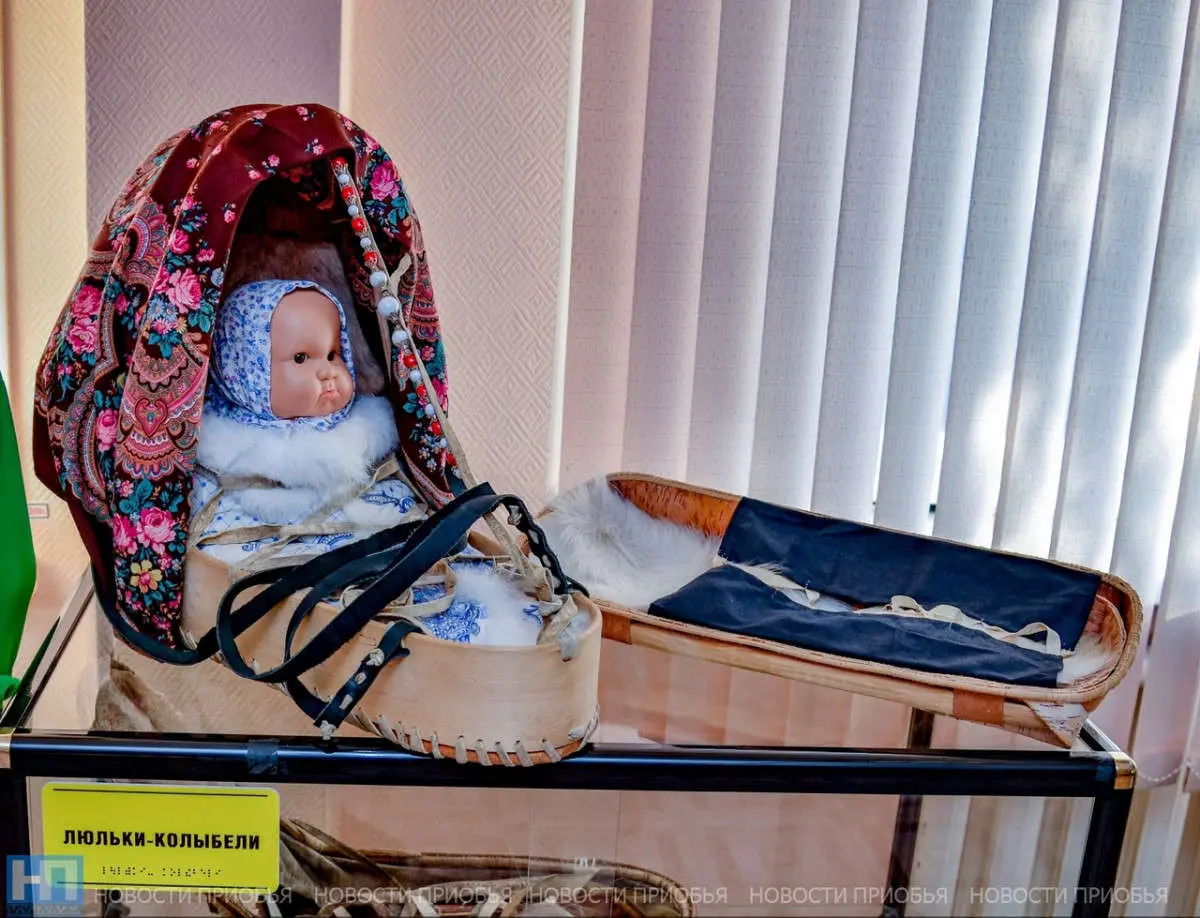
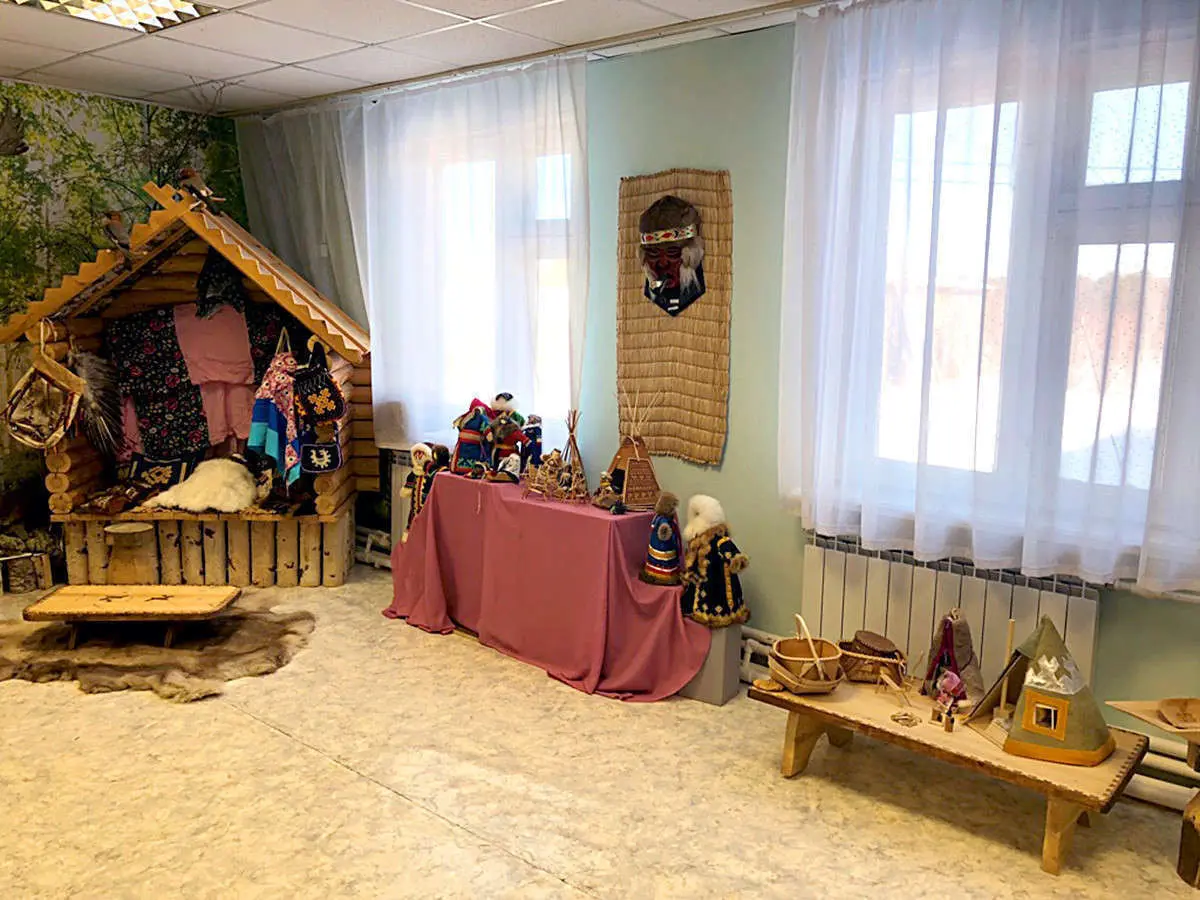
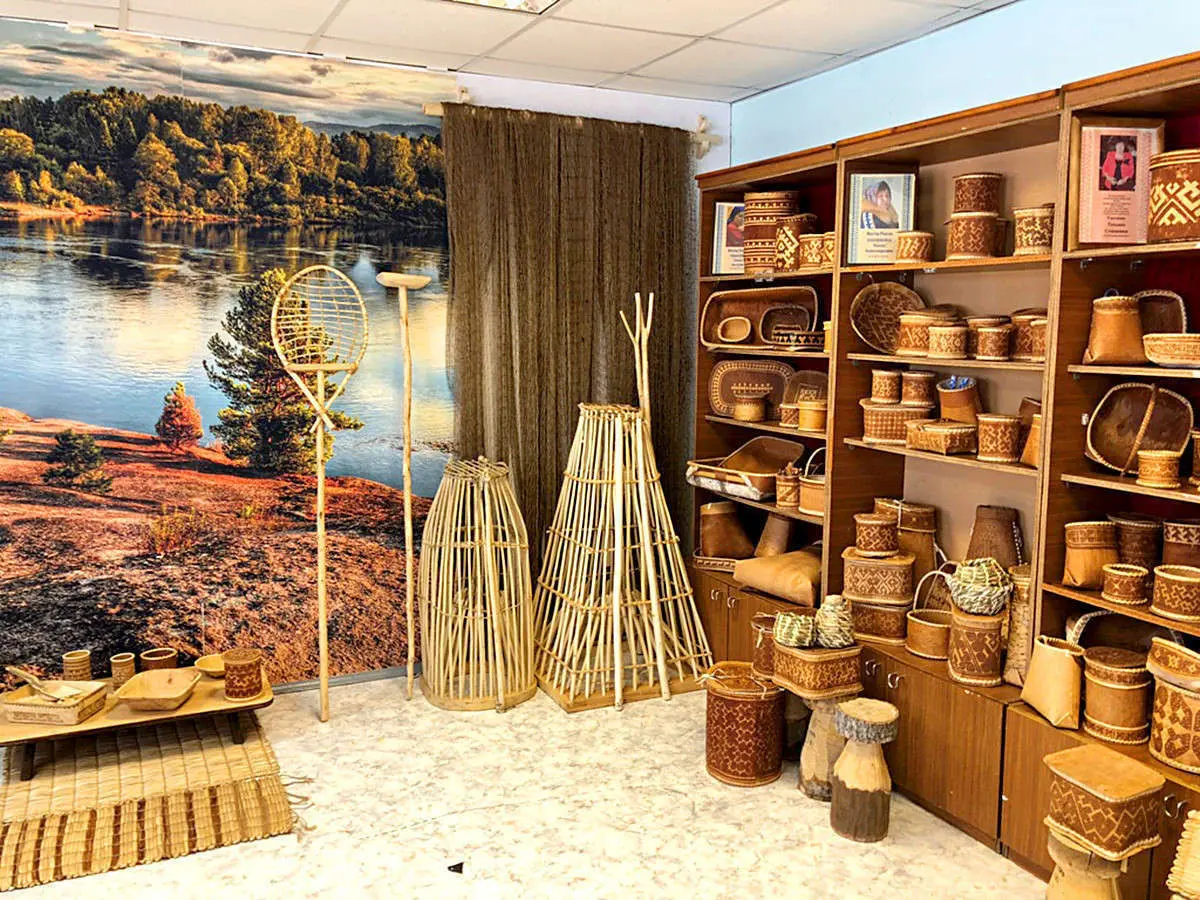
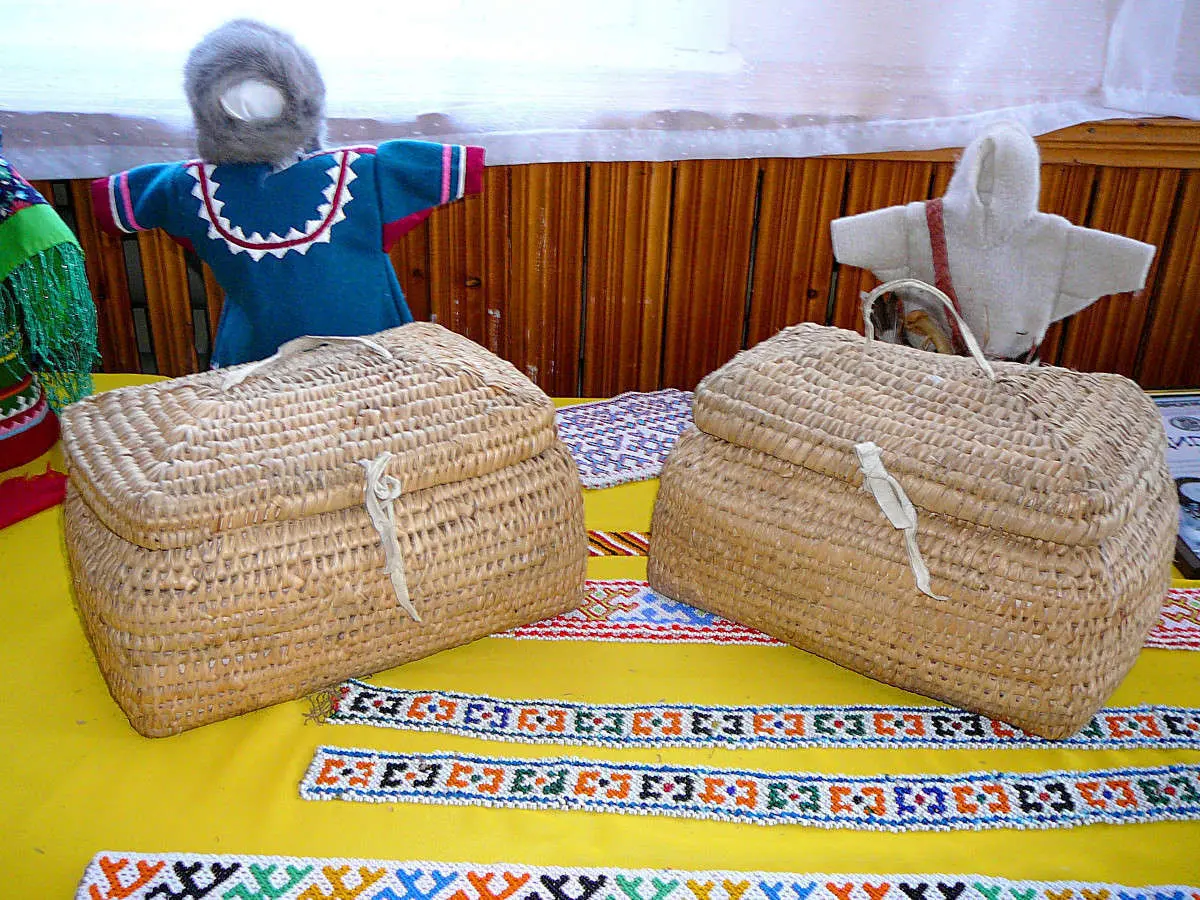
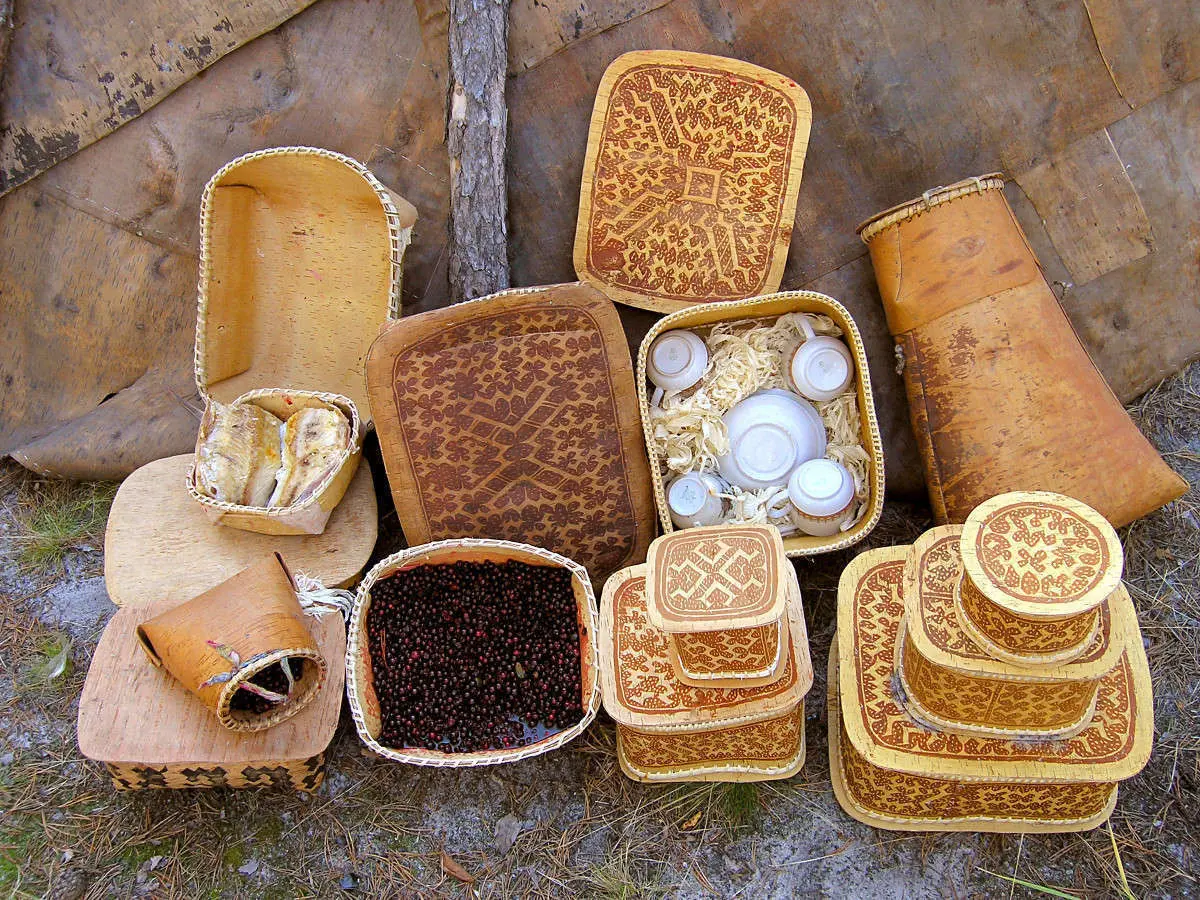
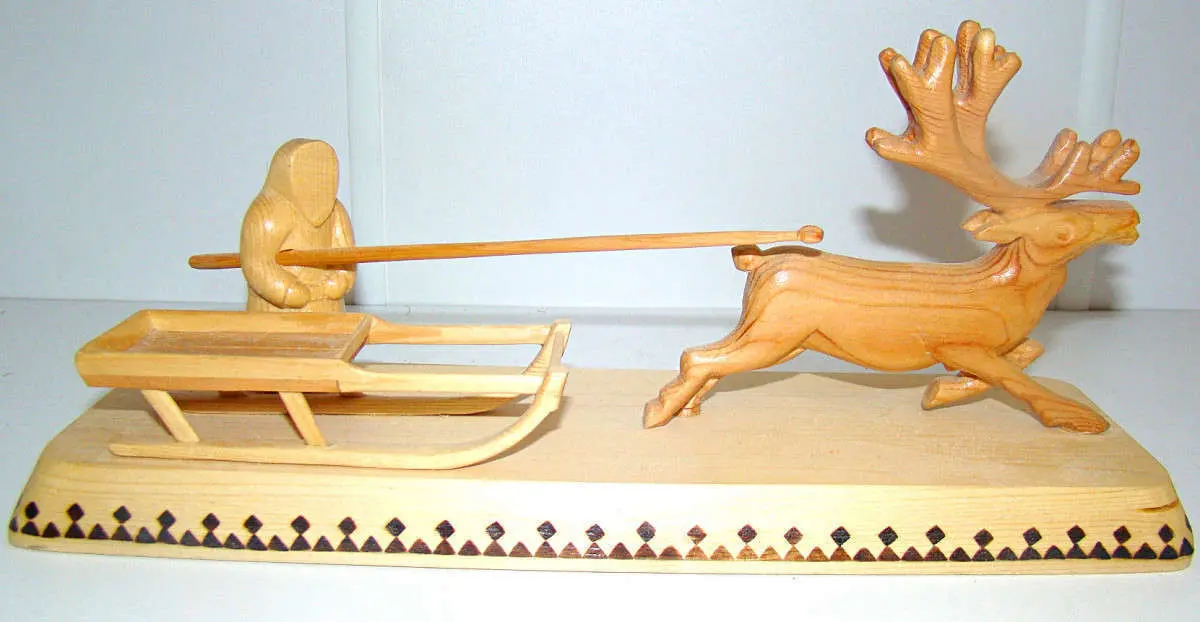
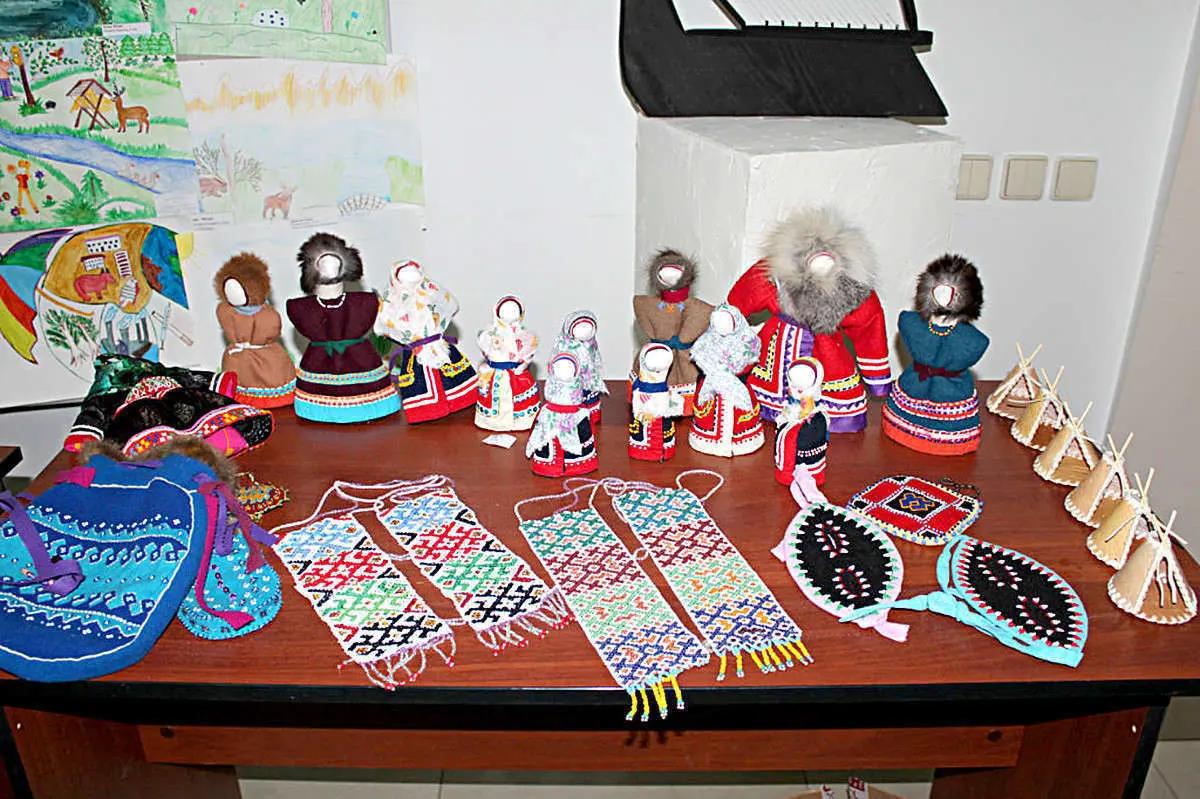
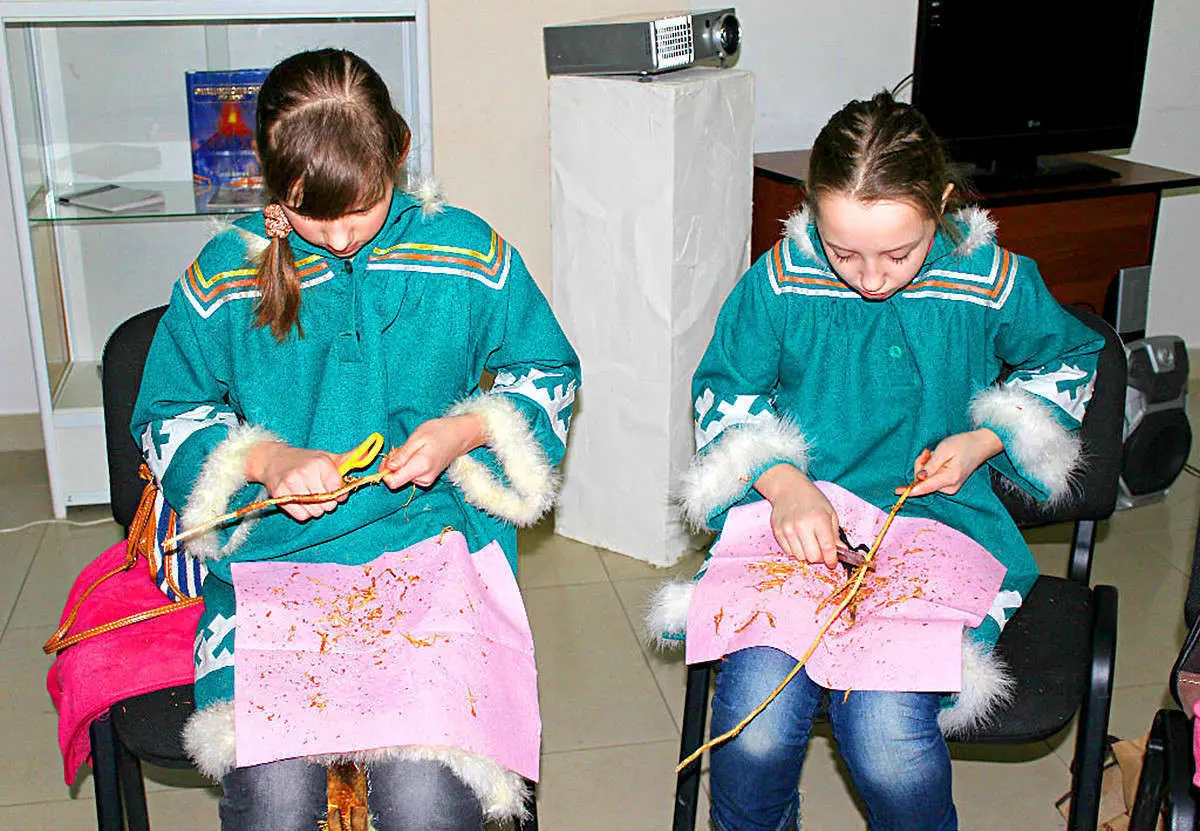
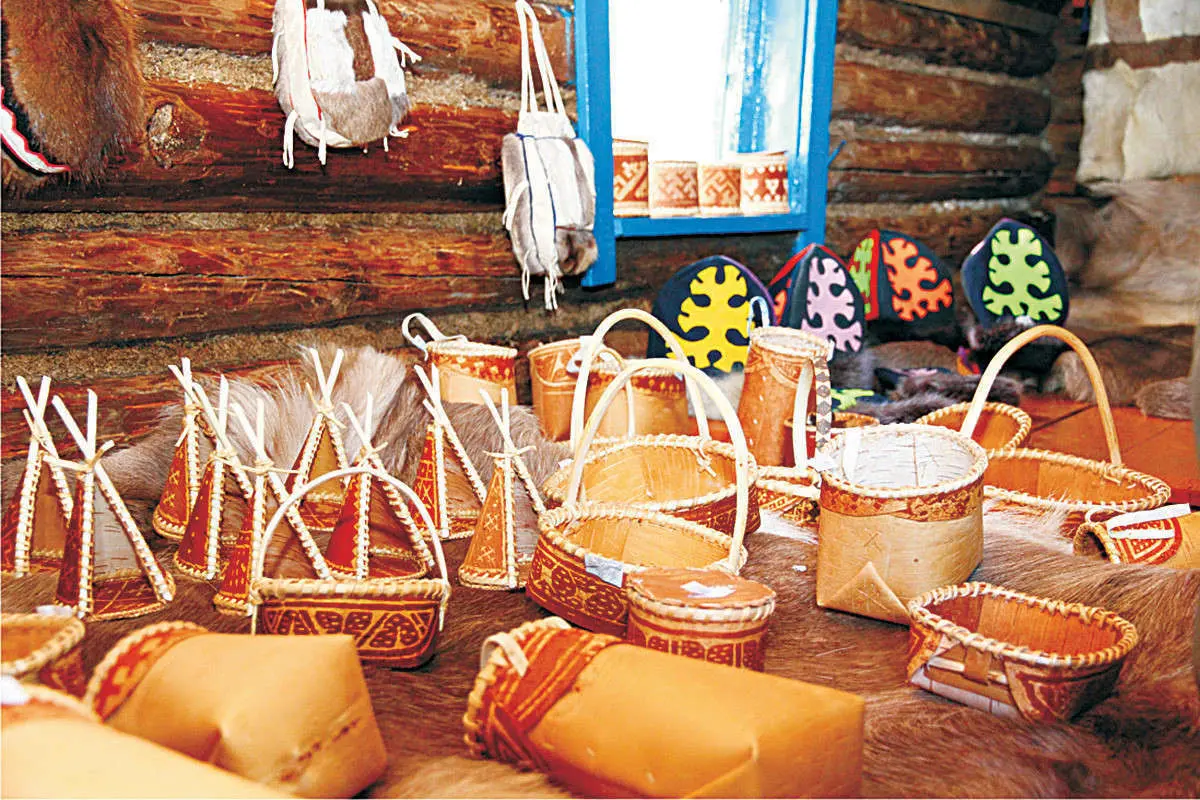
The acquaintance with Agan can be continued at the Inter-Settlement Center of National Crafts and Crafts. Traditional technologies of decorative and applied art of the indigenous peoples of the North are preserved and revived here. Craftsmen work with birch bark and natural materials, create national clothes, toys, household items and souvenirs using traditional techniques and ornaments.
It is especially interesting that here you can not only see the works of craftsmen, but also get acquainted with the crafts themselves. The center hosts master classes where guests will learn more about the traditional techniques and culture of the peoples of Ugra. And as a souvenir of the trip, you can choose products from local craftsmen, from jewelry and toys to household items.
Karamkinskoye camp
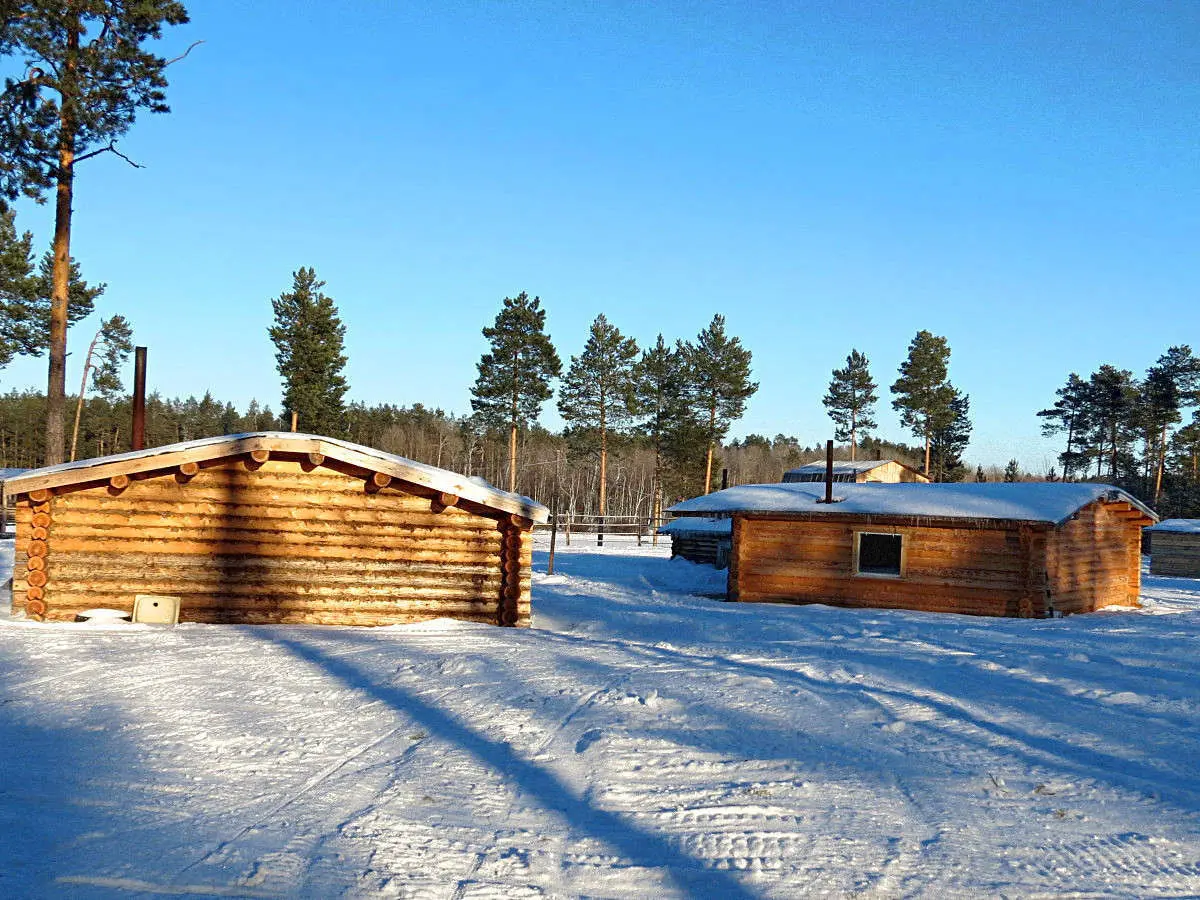
And finally, we suggest visiting the village of Agan. Or rather, the "Karamkin" camp, which is located not far from it. The journey from Nizhnevartovsk will also take a couple of hours in one direction.
The way to get to the camp depends on the season and weather conditions, so it is recommended to check the route with the host party in advance before traveling.
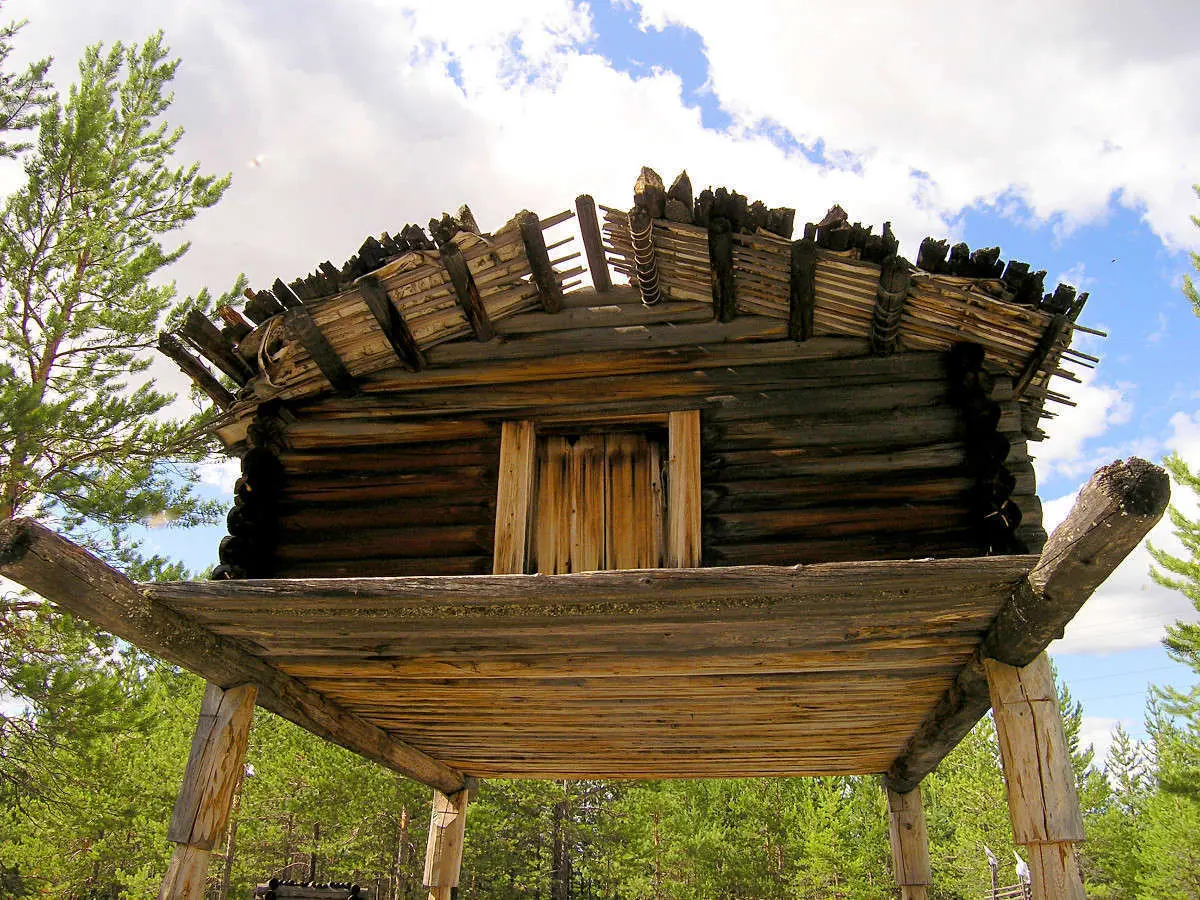
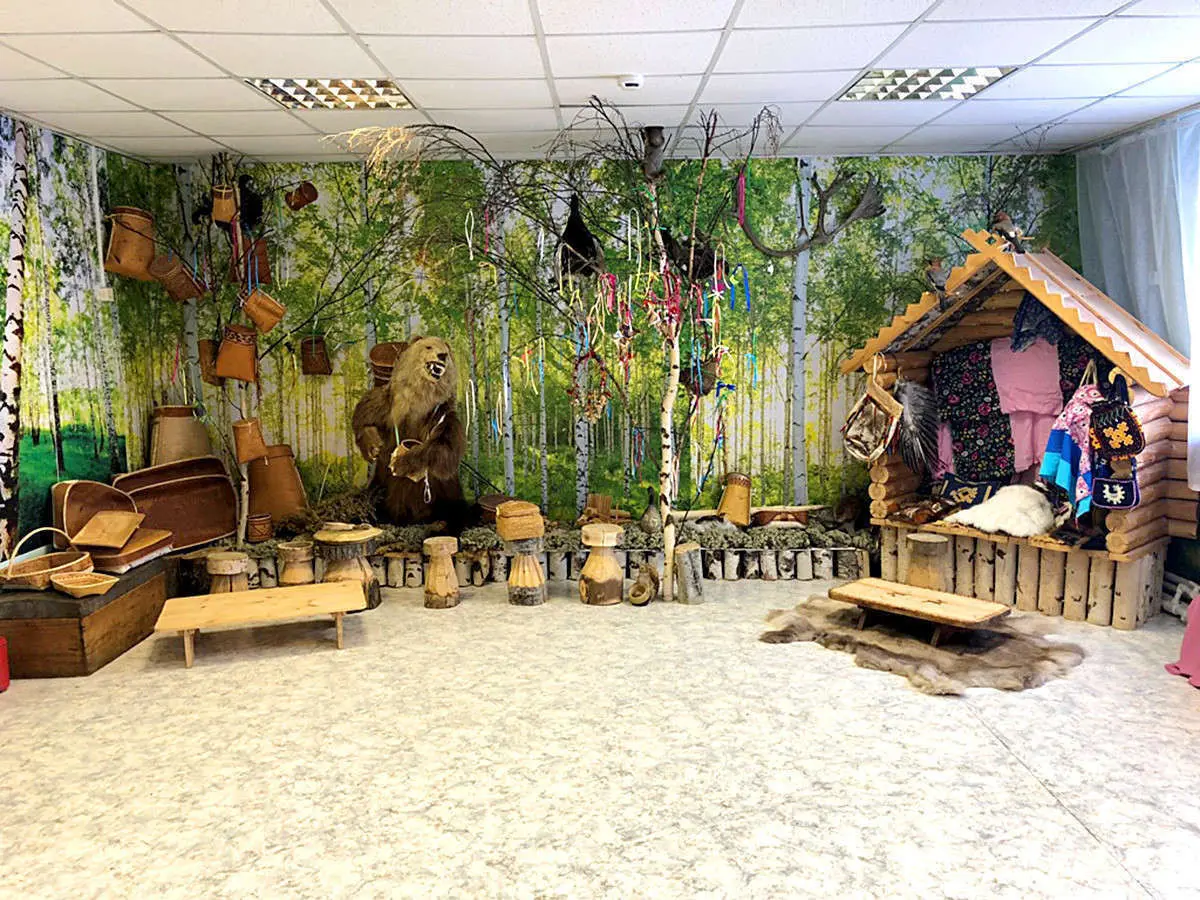
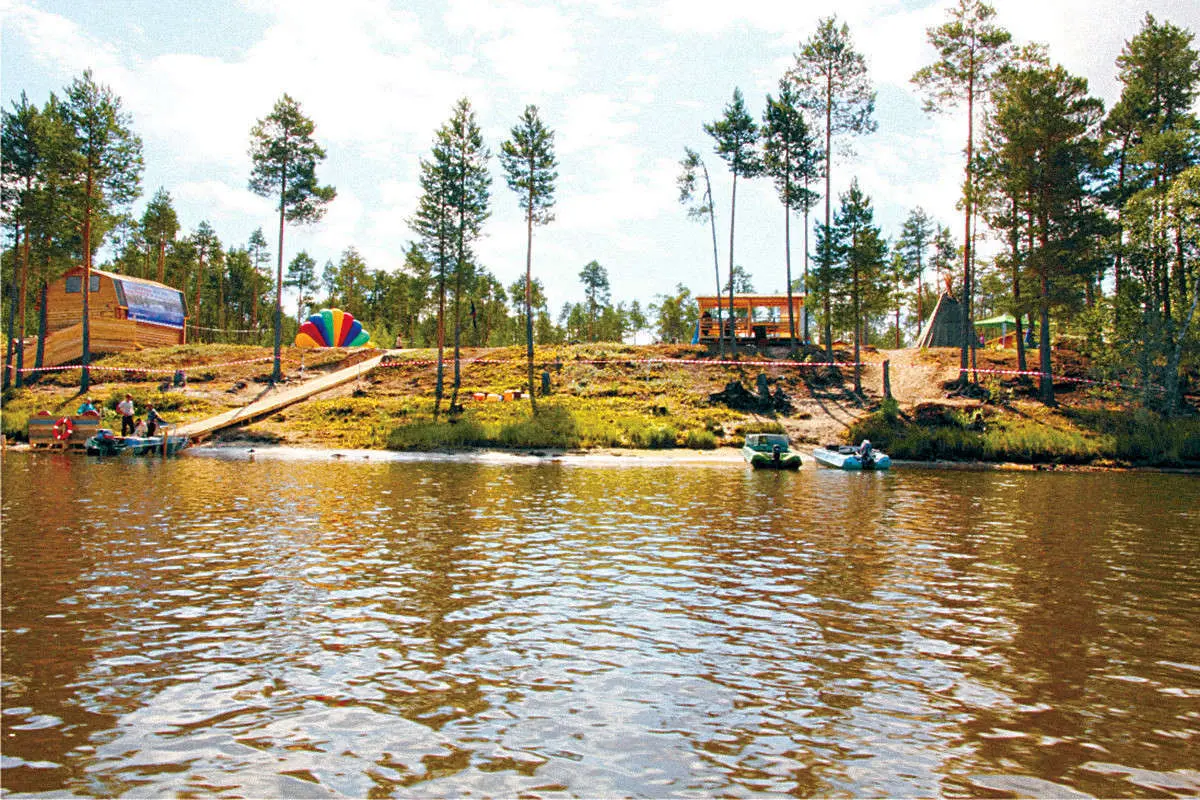
On a small territory on the riverbank there are wooden houses, a plague, a warehouse, a sauna, a gazebo, an off-season camp, a glacier, a deer pen and other outbuildings. In addition, fishing stops are installed and a boat dock is equipped. You can come here for one or several days.
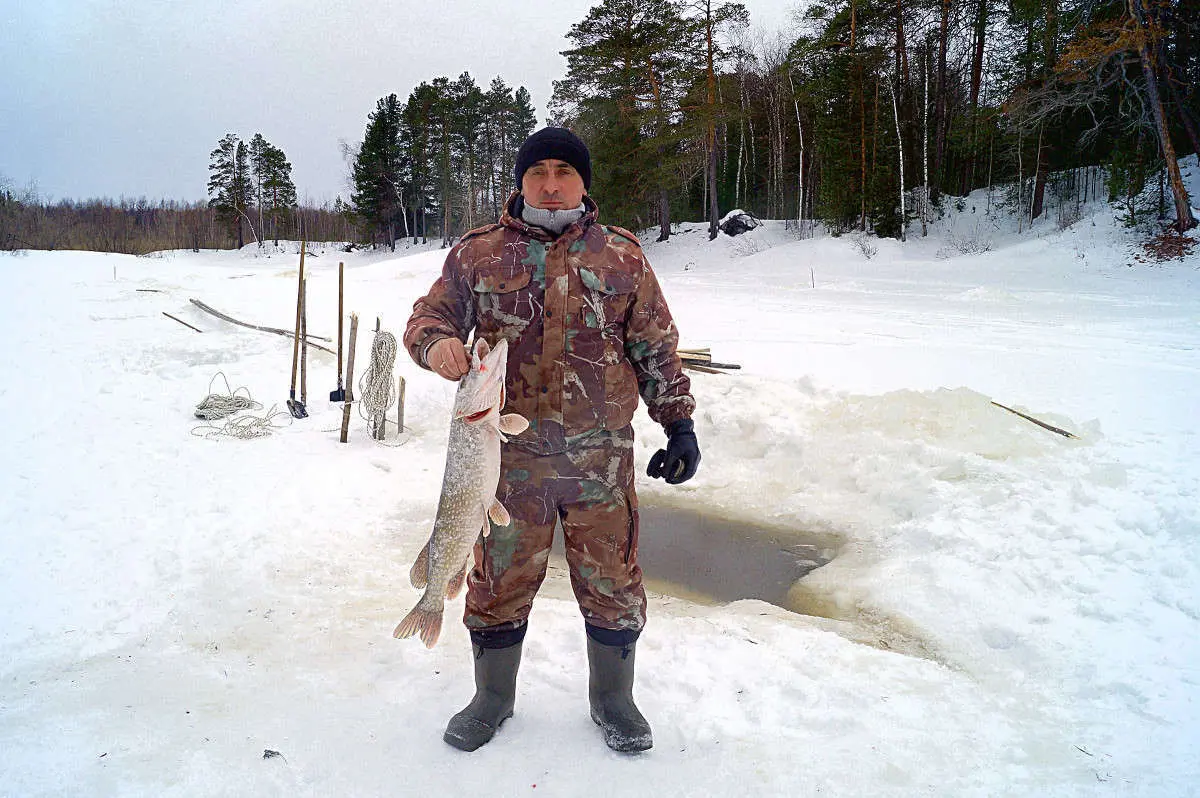
Fishing, master classes in cutting and cooking fish, and master classes in traditional crafts are organized on the territory of the camp. Guests will be treated to dishes of national cuisine, fragrant tea made from chaga and herbs, padavukha (fish cooked over a campfire), pike stroganina and berries. And all this outdoors, surrounded by magnificent northern nature.
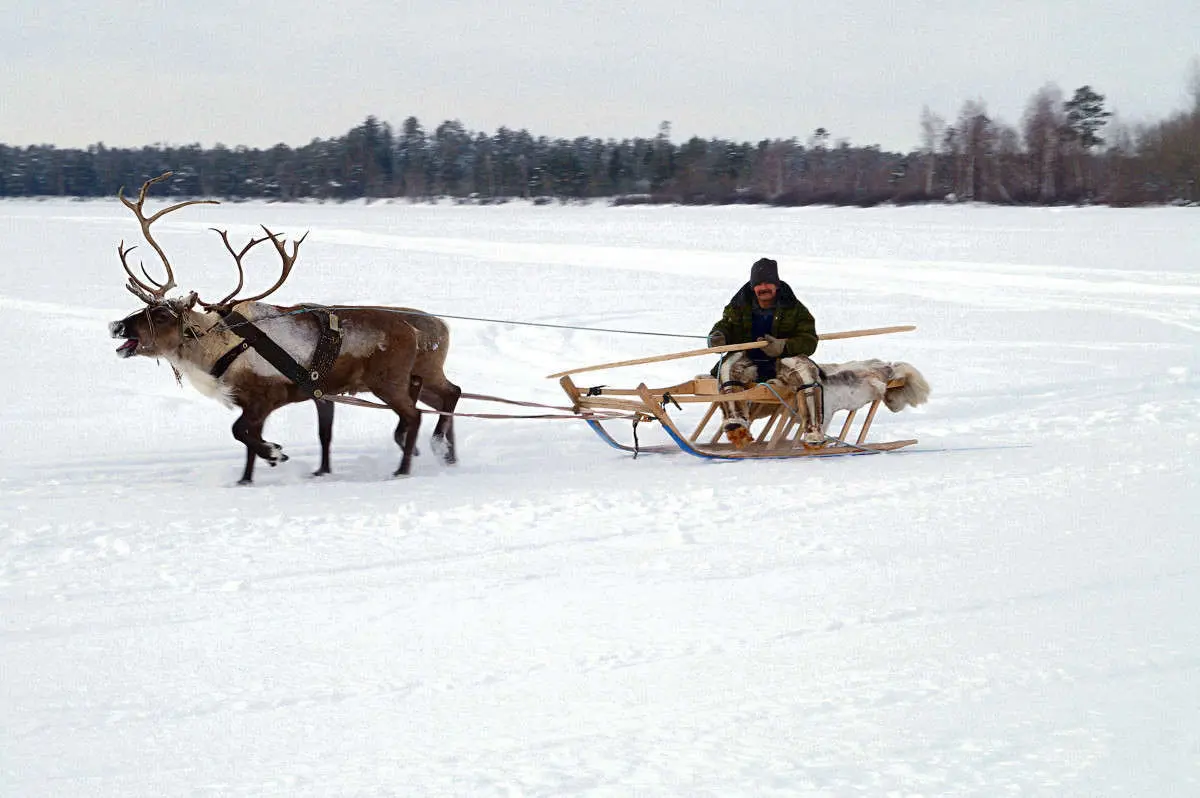
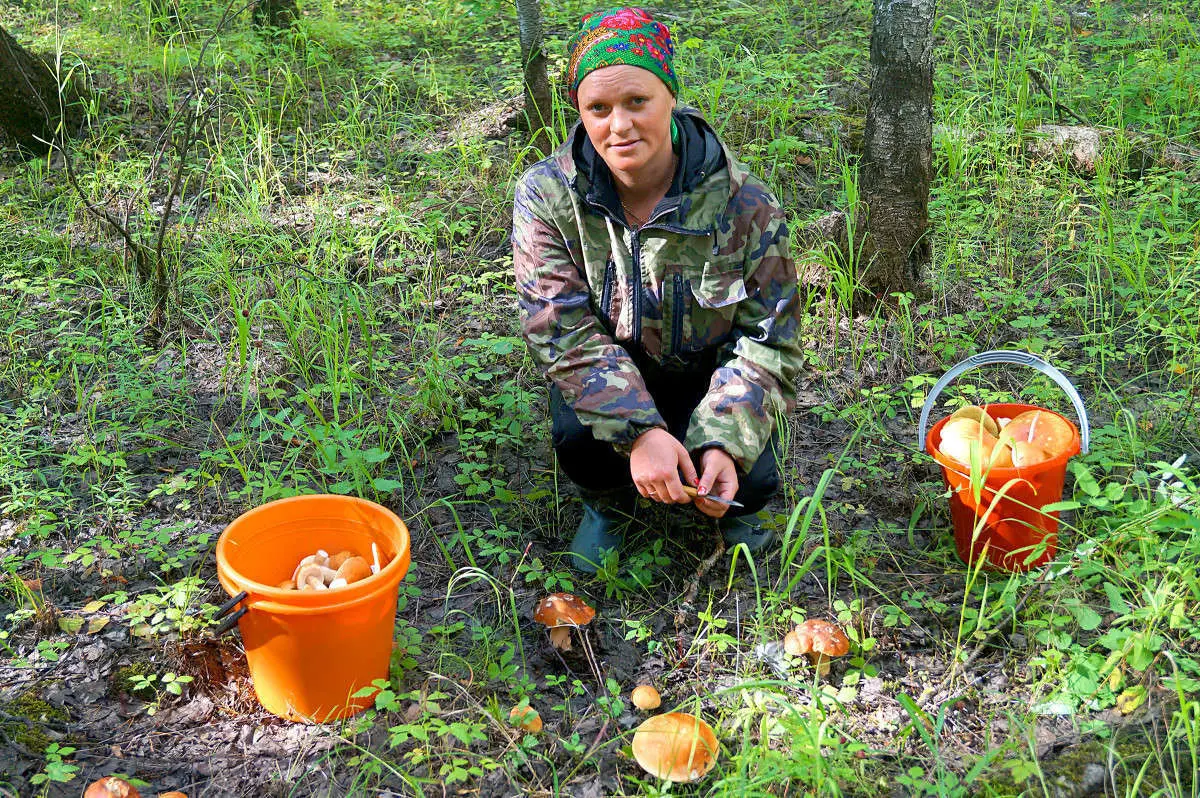
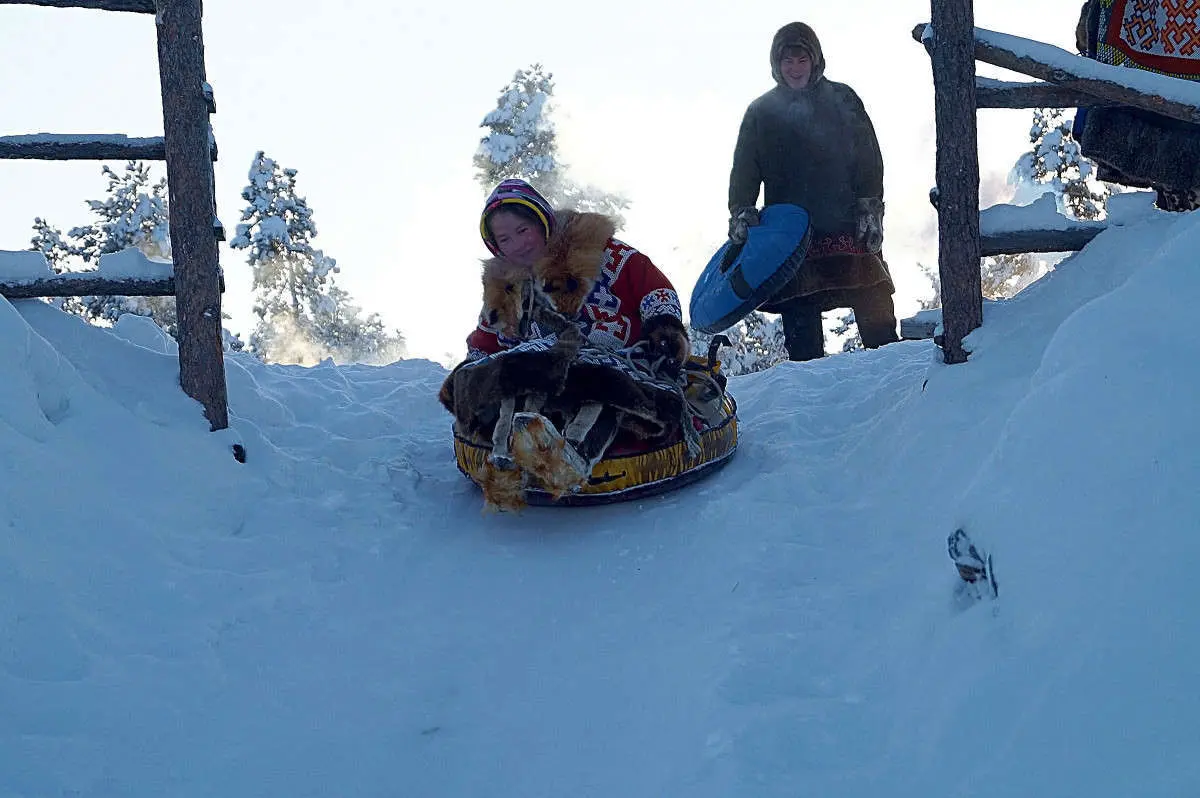
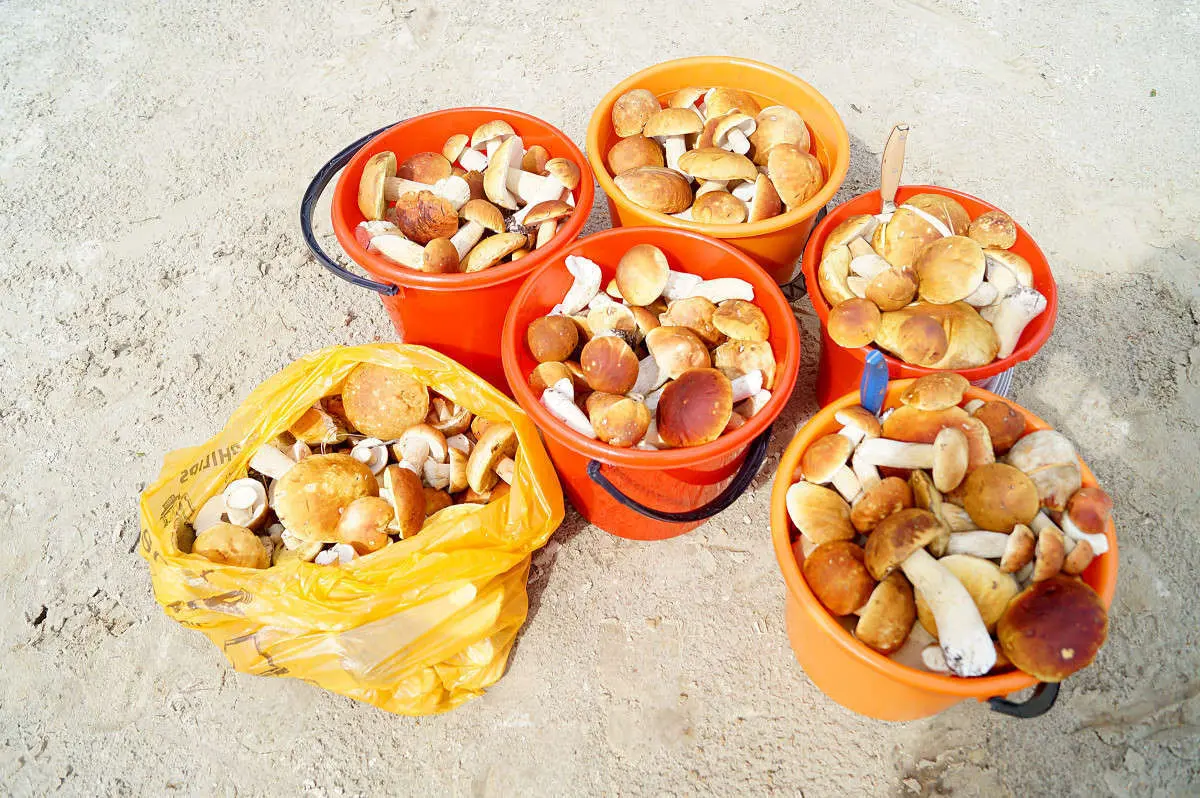
Depending on the time of year, reindeer sledding, snowmobiling, quad biking, tubing, and riding are also offered here. You can pick mushrooms and berries around the base, so you won't have to return home empty-handed in the summer and autumn. And the most interesting thing is that at the camp you can feed the deer and take pictures with them in national costumes. Everything to make you have the best time possible.
Trekhgorye Ski complex
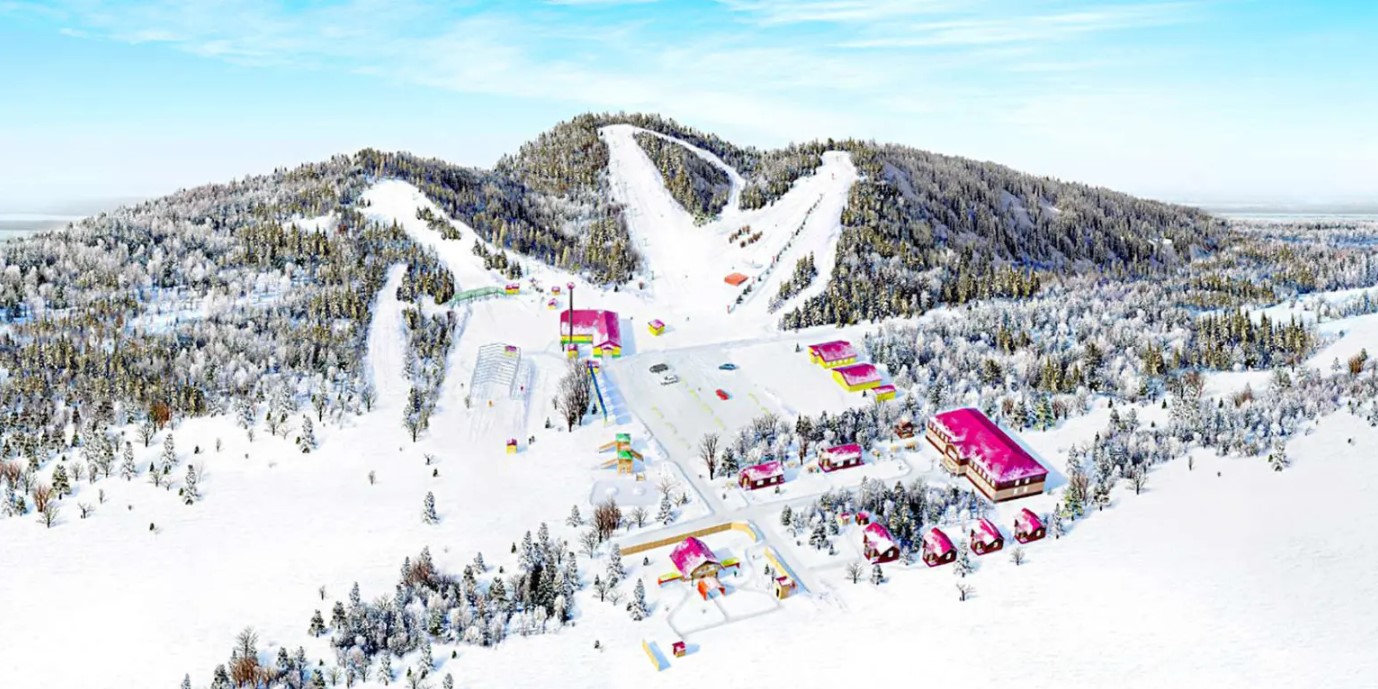
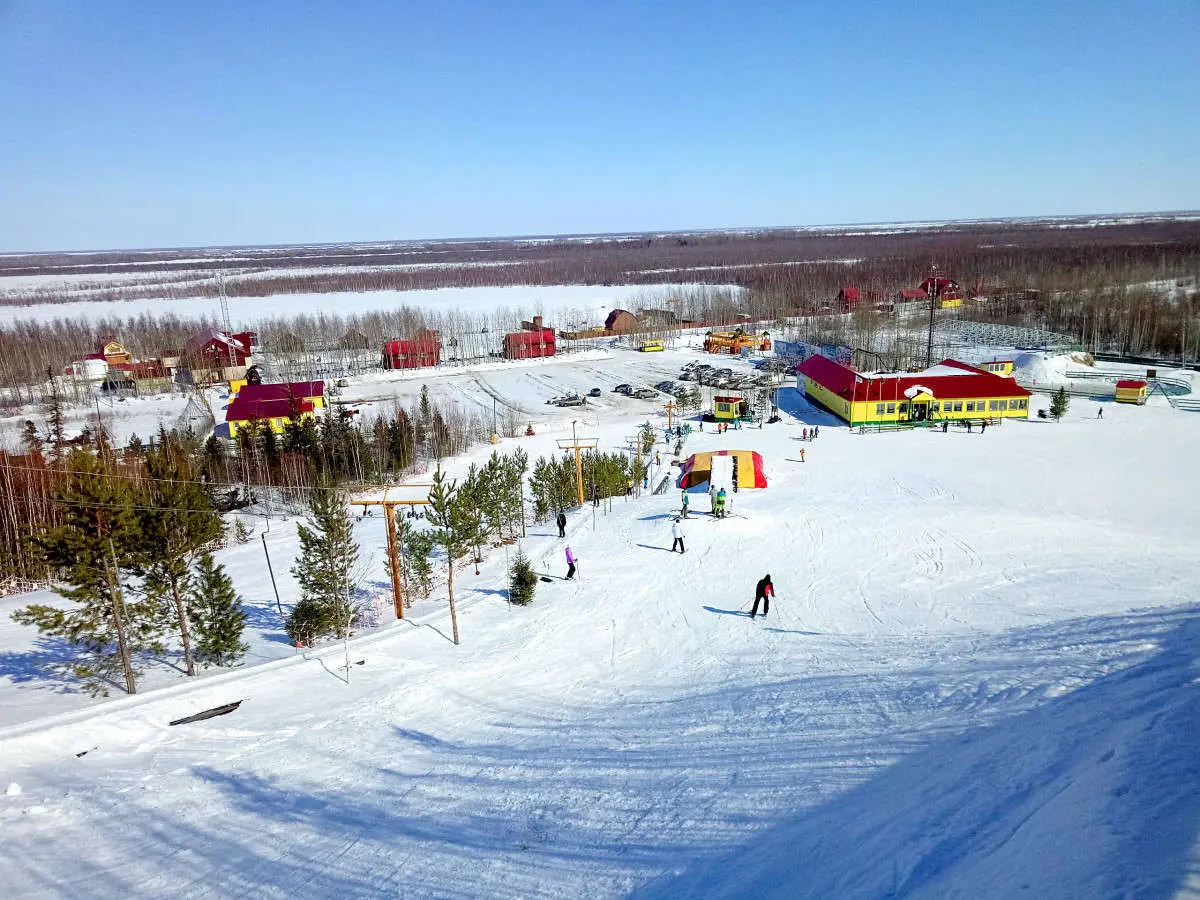
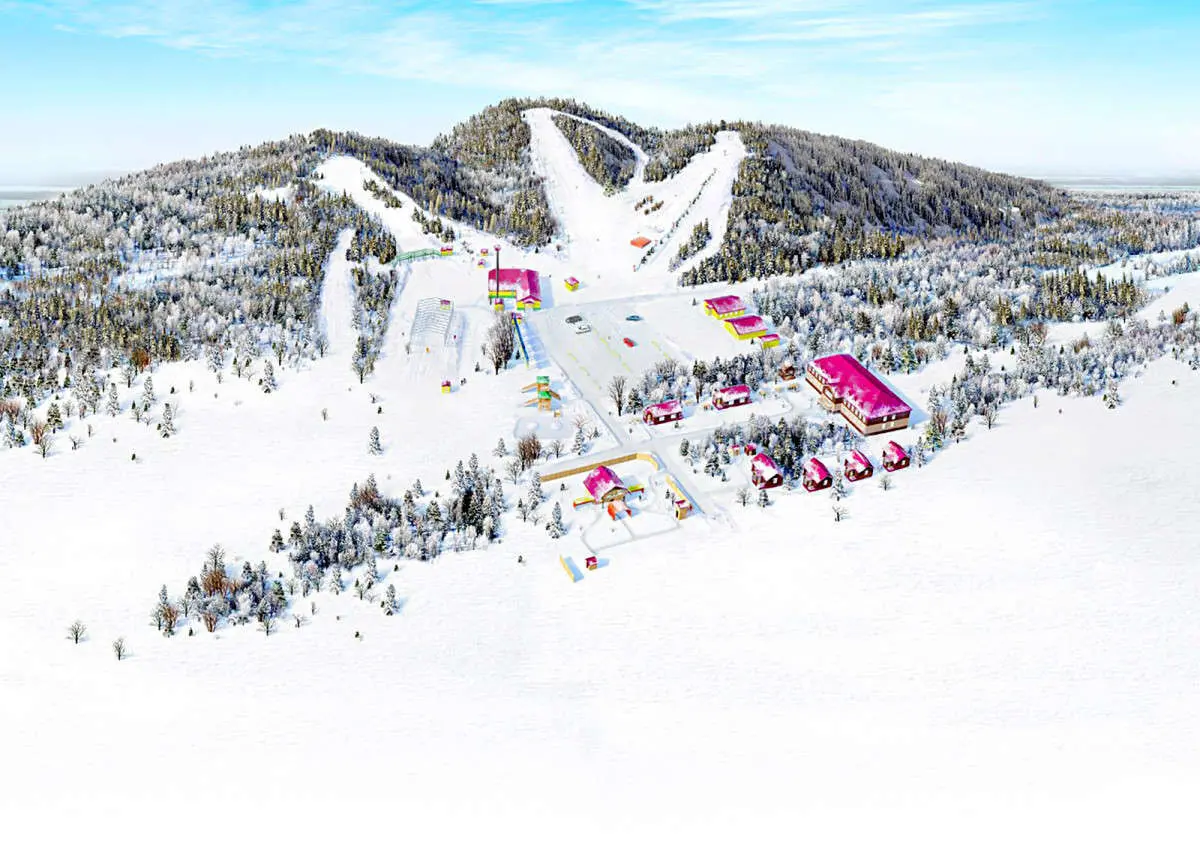
If a trip to the Nizhnevartovsk region falls in winter, you can diversify the program with active recreation at the Trekhgorye ski resort. It is located on the left bank of the Ob River, near the village of Ermakovsky, about 30 kilometers from Nizhnevartovsk.
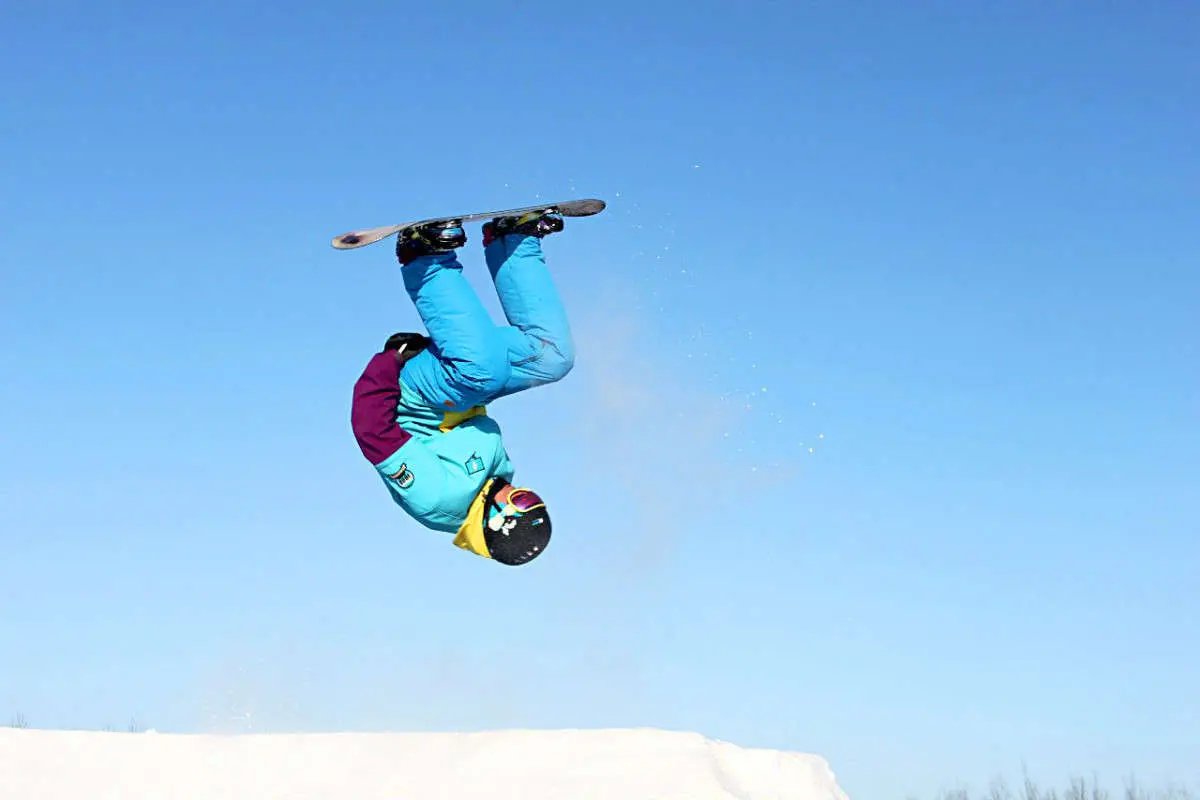
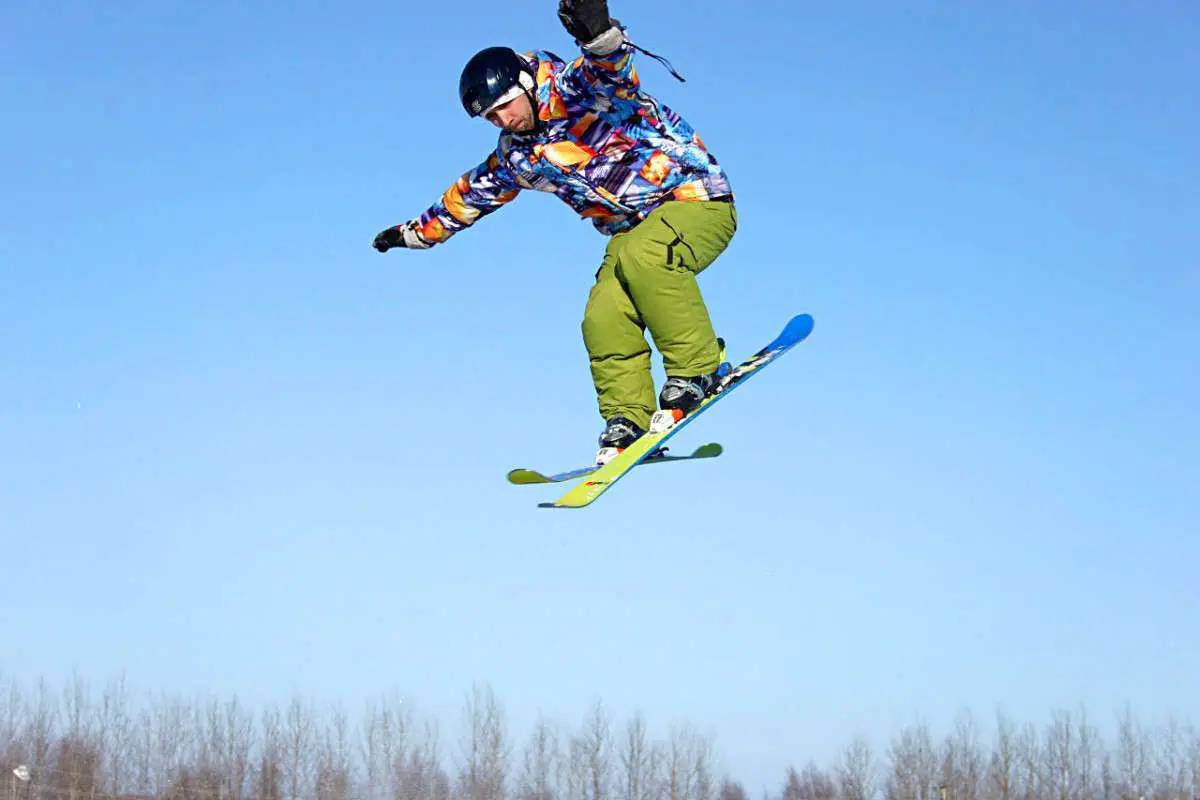
There are ski trails of varying length and difficulty, there are opportunities for snowboarding, cross-country skiing and tubing. Therefore, Trekhgorye is suitable for both lovers of active winter recreation and those who are just starting to master downhill skiing. The complex also provides an infrastructure for guests to relax.
A trip through the Nizhnevartovsk region will allow you to get to know the history of the territory, the traditions of the indigenous peoples of the North and the distinctive culture of the national settlements of Yugra